
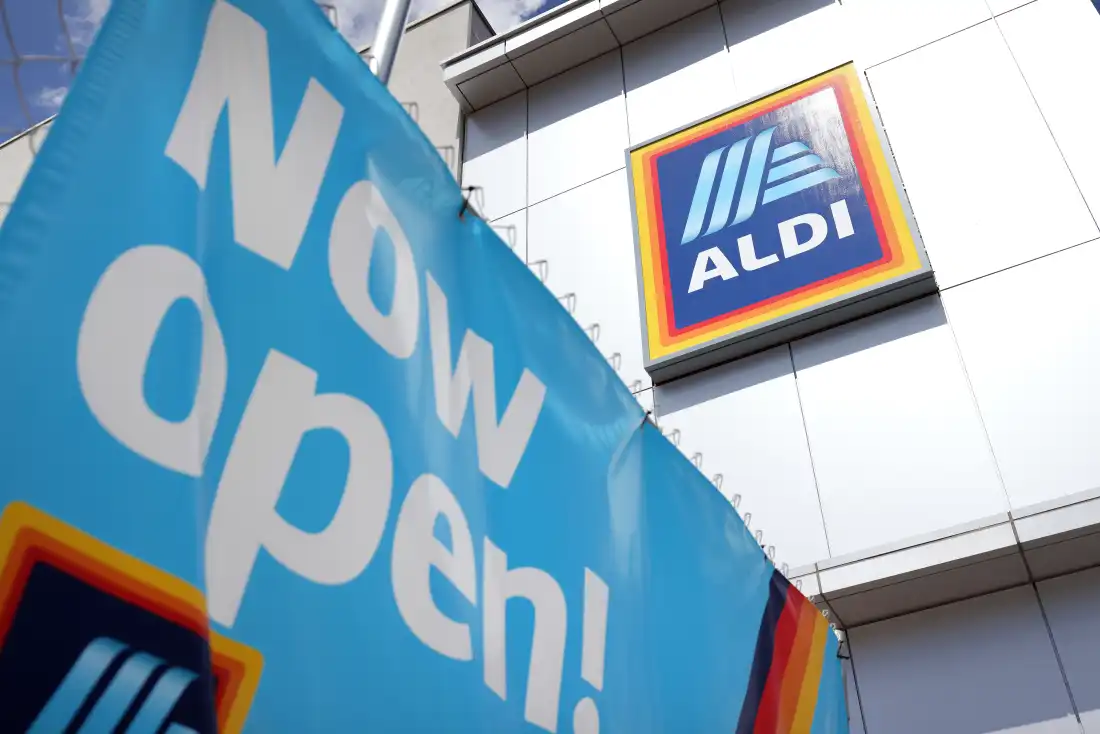
Aldi’s Expansion in America
In Washington, DC, on May 2, 2025, an Aldi grocery store was highlighted as part of a significant growth campaign. The company aims to add over 225 new stores in the U.S. in 2025, contributing to a larger plan to have 800 new stores by 2028. Aldi, known for its low prices, has become the fastest-growing grocery chain in America. By the end of 2028, Aldi plans to operate more than 3,000 locations in the country, second only to Walmart.
Comparison with Competitors
In 2024, Aldi reported U.S. sales exceeding $29 billion, outpacing Trader Joe’s. Known for its low prices, Aldi competes closely with major players like Walmart in terms of pricing. Journalist Deena Shanker noted that Aldi often matches or even beats Walmart’s prices. Competitors such as Wegmans and Kroger have introduced price reductions in response to Aldi’s expanding influence. An analysis in late 2023 highlighted that when Lidl, another German grocer, opened stores in the U.S., local grocery chains reduced their markups by approximately 7%.
Aldi’s Strategy
Aldi’s disruptive strategies focus on low prices and efficiency.
Despite higher food costs globally, Aldi maintains lower prices. While Walmart and Costco rely on economies of scale, Aldi employs different tactics. Originating 80 years ago in Germany, Aldi prioritizes operational efficiency over scale. Aldi stores might appear simple or even shabby, but this intentional approach results in more affordable groceries.
Private Label and Limited Selection
Aldi employs two primary strategies: private label products and limited selection. Most Aldi products are store-brand versions, resembling popular items like Oreos but named “Benton’s Chocolate Sandwich Cookies.” By producing these themselves, Aldi avoids extra costs associated with brand mark-ups. Over 80% of Aldi’s products fall into this category.
Additionally, Aldi stocks a limited selection of essential items, allowing bulk purchases that minimize costs. This approach keeps prices low without stocking niche items that may spoil quickly. While this limits variety, it ensures essentials like rice and eggs remain affordable.
Consumer Perception and Experience
Aldi attracts customers not only for low prices but also for the shopping experience. The store features a middle aisle with diverse and unique items, such as toys, specialty foods, and seasonal products. In response to consumer interest, U.S. stores offer more variety, including premium items at competitive prices. This model creates a dynamic shopping environment, appealing to bargain hunters and curious shoppers alike.
Market Impact and Industry Dynamics
Aldi’s influence extends beyond prices. During economic downturns like the Great Recession, Aldi’s appeal grew as consumers sought affordable options. Its continued success hinges on providing both value and a unique shopping experience. As America’s grocery market evolves, Aldi illustrates how businesses can transform industries with strategic planning rather than solely relying on technological innovations.
Bundling and Unbundling in Business
Aldi’s approach reflects an important business concept: bundling and unbundling. Historically, grocery stores consolidated products, offering diverse items under one roof. Aldi reverses this process, focusing strictly on groceries. Unlike stores offering a wide range of non-grocery items, Aldi streamlines its offerings, allowing consumers to visit other stores for additional goods, effectively unbundling the shopping process.
This observation extends to various industries, demonstrating the power of strategic bundling or unbundling within market frameworks.