
Challenges in U.S. Housing Market from AI Expansion
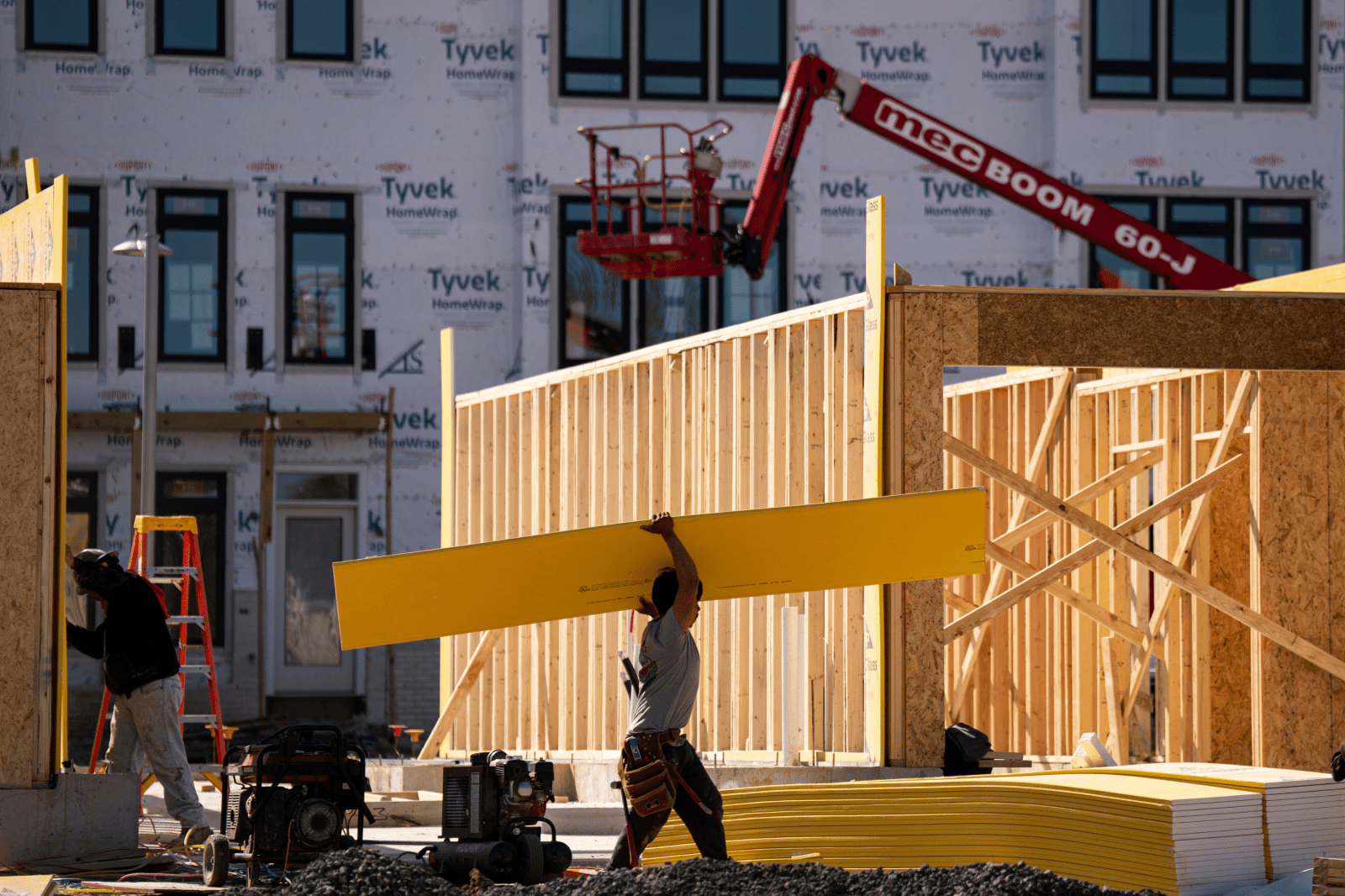
The rapid expansion of AI infrastructure is presenting a new challenge to the U.S. housing market: a competition for construction workers. Ed Brady, chief executive of the Home Builders Institute (HBI), has highlighted the growing demand for skilled tradespeople in the AI data center sector, which is drawing workers away from residential projects amid an already existing labor shortage. Experts warn that this trend could further exacerbate the housing shortage in America.
The market is not as strong, and so today many of those people that were in housing are going to these data centers.
Brady noted the skilled-trades industry is already short by roughly 300,000 workers, with competition from data center construction intensifying the issue.
Reasons for High Worker Demand in AI Data Centers
The surge in demand for AI services has triggered a significant investment in data centers. These facilities house the servers and networking equipment essential for AI platforms. CNBC reported that tech giants like Amazon, Microsoft, Google, and Meta are expected to spend over $300 billion on AI infrastructure and data-center expansion by 2025. This investment has spurred a construction boom that requires electricians, plumbers, HVAC specialists, steelworkers, and other skilled trades.
Many workers are attracted to data-center construction due to better wages and longer-term projects. CNBC also revealed that some workers experienced pay hikes between 25 and 30 percent after switching sectors, as per data from Kelly Services, a construction staffing firm.
Impact on Housing Market
Labor shortages are a persistent challenge for homebuilders. Brady stated that the industry struggled with workforce issues long before the 2008 financial crisis, which saw many leave the trade permanently. He pointed out a worrying trend: for every five skilled-trades workers retiring, only two newcomers enter the field.
Housing experts warn that these labor shortages have tangible effects on homebuyers. Brady mentioned in a March interview with Homes.com that residential construction could suffer as workers might not quickly return if housing demand rises. Many commercial projects, unlike residential ones, offer more stable and sometimes better-paying employment opportunities.
Research from HBI estimates annual losses of $10.8 billion due to the skilled-labor shortage, hindering the construction of approximately 19,000 homes each year. Moreover, the National Association of Home Builders (NAHB) warns of land competition between data centers and residential projects, especially in regions like Northern Virginia, known for high concentrations of data centers. Developers have paid significant amounts for land that could have been used for housing, a trend dubbed “servers over shelter.”
Economic Effects and Future Prospects
While some view the boom positively, Nvidia CEO Jensen Huang believes data-center construction is creating well-paying blue-collar jobs, possibly leading to six-figure careers in skilled trades.
However, economists highlight potential knock-on effects on the broader economy from rising wages in data-center construction. Joel Berner, senior economist at Realtor.com, noted that the shrinking, aging construction labor force could increase labor costs and extend timelines for new home construction.
For homebuilders, the challenge lies not with the data centers themselves but in the need to train enough workers to meet demand in both sectors. Brady predicts that without investment in training, the housing industry’s labor shortage will worsen as data center construction increases.
The accelerating pace of AI investment in the U.S. creates a collision with another national priority: building sufficient homes. Critics argue that America’s pursuit of AI dominance is leading to a new housing challenge.
Newsweek has reached out to Brady and the National Association of Home Builders (NAHB) for comments. For inquiries on this story, contact John Fitzpatrick and Cristina Diciu, Newsweek editors.