
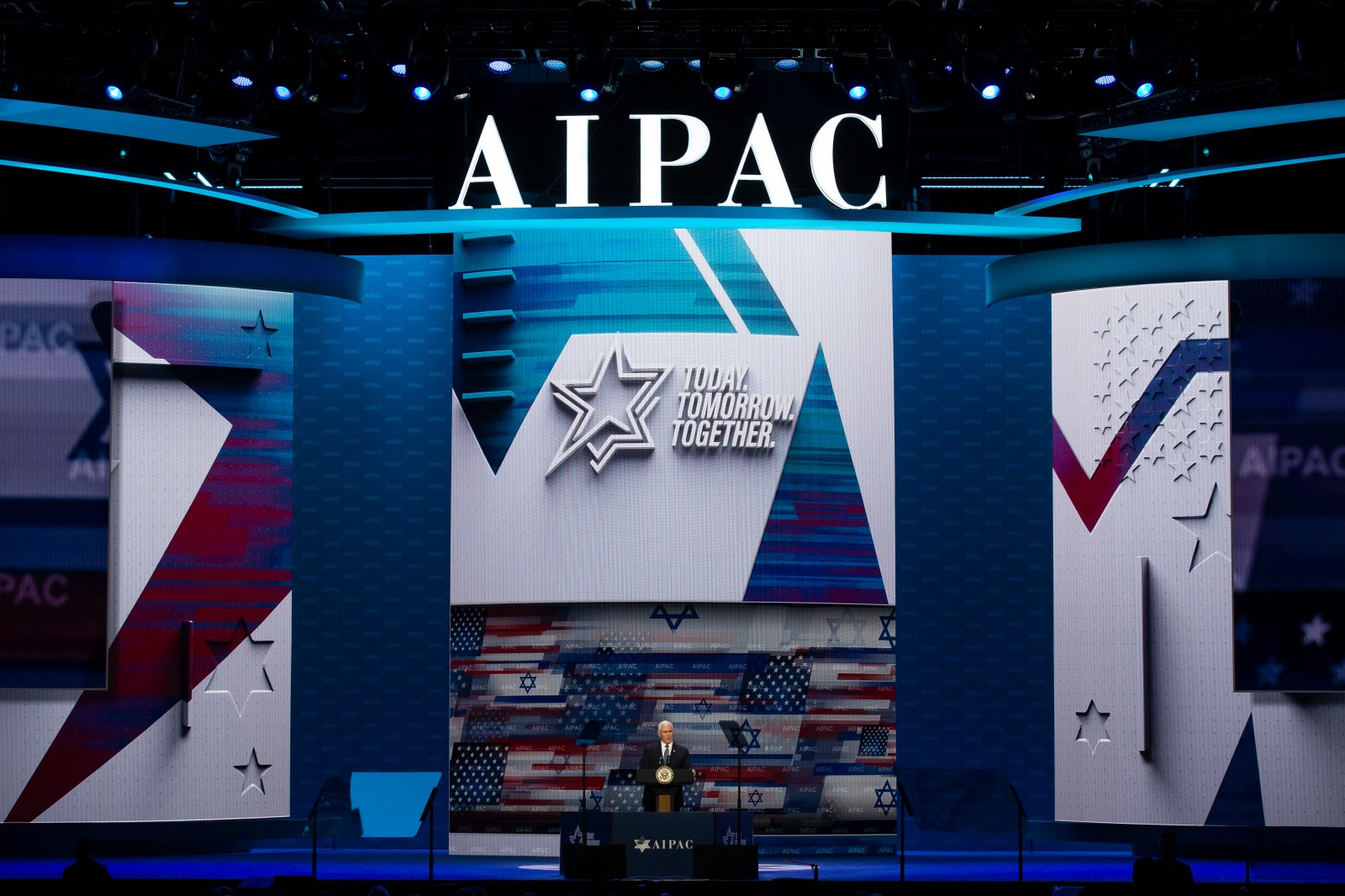
Republican Senate nominee Mike Rogers has requested the American Israel Public Affairs Committee (AIPAC) not to run advertisements against his Democratic opponent Abdul El-Sayed, as reported by Axios. AIPAC and its associated political action committees play a significant role in congressional and statewide races, investing millions to support candidates, though they often face criticism from Democrats and progressive candidates.
This election cycle has seen Democratic primary voters challenge one of Washington’s most influential organizations, securing victories against AIPAC-backed competitors. El-Sayed, a progressive Democrat outspoken about Israel’s actions in Gaza, triumphed over Representative Haley Stevens in the Michigan Democratic primary. This race included approximately $30 million in spending from AIPAC and allies like the United Democracy Project (UDP).
Rogers, a staunch supporter of Israel endorsed by President Donald Trump, is set to face El-Sayed in November. This pivotal race may impact Senate control. Rogers reportedly urged AIPAC not to intervene in the campaign on his behalf. After discussions with AIPAC chair Michael Tuchin, the organization decided against launching advertisements targeting El-Sayed. Though initially prepared to spend extensively to defeat El-Sayed, AIPAC halted these plans, highlighting the political complexities surrounding their involvement.
Rogers has maintained his pro-Israel stance while distancing from direct AIPAC support. Meanwhile, El-Sayed condemns Israel’s military actions in Gaza as genocide, pushing to end unconditional U.S. military aid to Israel. He has criticized AIPAC’s spending and refuses corporate PAC money. Post-primary, he addressed antisemitism claims, affirming his commitment to the safety of Jewish-Americans.
The dynamic between Rogers’ campaign and AIPAC has since paused. Rogers expressed appreciation for pro-Israel community support, while AIPAC’s Deryn Sousa noted their members are active, considering options to oppose El-Sayed’s policies.
Democratic victories in primaries nationwide signal ongoing debates within the party on its ideological trajectory. Some argue progressive candidates may struggle in swing districts and statewide elections. Analysts suggest AIPAC’s role is scrutinized more intensely in Democratic primaries, which highlight divisions within the party.
The Michigan Senate race has attracted national attention due to El-Sayed and Rogers competing for the open seat left by retiring Democrat Gary Peters. While Democrats have held this seat for decades, Michigan often delivers tight elections. Forecasters like The Cook Political Report and Sabato’s Crystal Ball rate the race as a ‘toss-up.’
Michigan’s political landscape flip-flopped in recent presidential elections. Bernie Sanders won the Democratic primary in 2016, while Trump’s thin-margin victories and Biden’s subsequent win illustrate the state’s battleground status.
Polling shows close competition between El-Sayed and Rogers. An AARP poll indicated El-Sayed leading by one point, while other polls depict varying leads within margins of error. Prediction markets hold El-Sayed as the frontrunner.
Public opinion on U.S.-Israeli relations has evolved, particularly after Hamas’ October 2023 attack on Israel and the subsequent military retaliation. Recent polls indicate more divisive views on U.S. support for Israel. The AP-NORC poll highlights shifting Democratic sentiment, with increased backing for Palestinians and decreased support for Israel.
Polling among Jewish Americans reveals nuanced perspectives, including unfavorable opinions of Israeli Prime Minister Netanyahu and mixed views on U.S. support levels.
Research shows American sentiment towards the Israeli government has deteriorated, particularly among Democrats. Historical favorability has decreased, reflecting broader political shifts.