
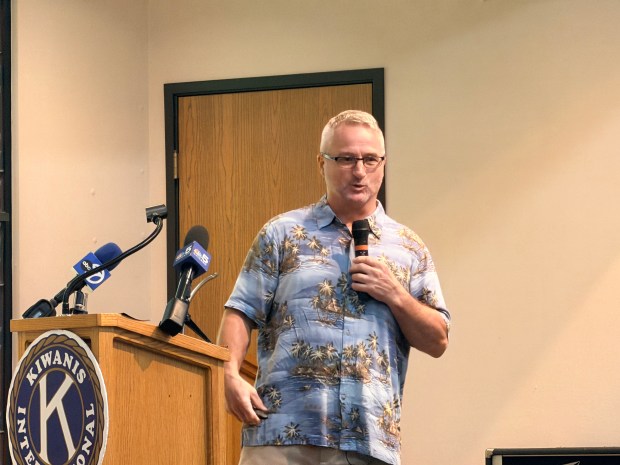
The Great Lakes Surf Rescue Project Executive Director Dave Benjamin emphasized the importance of water safety education against the backdrop of rising temperatures driving people to seek respite at beaches and pools. During a meeting with the Valparaiso Noon Kiwanis Club, Benjamin discussed the alarming statistics surrounding drownings and the need for water safety to be taught in schools.
Water Risks and Gender Differences
Benjamin highlighted a concerning pattern: four out of five drowning victims are male. He attributed this to higher risk-taking, peer pressure susceptibility, and overestimation of swimming abilities. While females tend to assess their swimming skills accurately, males often overestimate by about 50%. This gap can lead to dangerous situations where individuals may not recognize their limits.
Misconceptions About Swimming Skills
Many feel confident in their swimming abilities without actually being able to swim a pool length in calm conditions. Benjamin noted that those who claim they can swim often spend leisure time wading instead. Despite these misconceptions, knowing one’s limits, especially in potentially dangerous environments like lakes, remains crucial. He raised concerns about Lake Michigan’s southern end, which is notably hazardous due to its geographical shape and wind conditions.
Personal Experience and Advocacy
Benjamin shared a personal story illustrating the perilous nature of water accidents. Previously, he had a near-drowning experience while surfing and recounted how panic almost consumed him. This incident influenced his dedication to advocating for water safety. His expertise in swimming and surfing did not protect him when faced with unforeseen challenges, underscoring the need for widespread safety education.
Recent Drowning Incidents
Benjamin presented recent statistics, showing 1,445 drownings in the Great Lakes since 2010. Disturbingly, numbers continue to rise, with incidents like the recent drowning on Lake Erie indicating the urgency for preventive measures.
Two tragedies at Port Sheldon illustrate the lack of safety awareness among those involved, while Keegan Roberts’ drowning highlights gaps in educational funding for water safety programs. Benjamin lamented the absence of these programs in schools, which could play a crucial role in saving lives.
Addressing Public Health Concerns
The World Health Organization has described drowning as a neglected public health issue. Benjamin advocates for understanding the statistics behind such incidents to mitigate future risks. The Great Lakes Surf Rescue Project provides insights into the year’s drownings on their website.
Preventative Measures and CPR Knowledge
Benjamin emphasized practical rescue methods, recommending reaching for someone in distress from shore rather than going into the water. If they are beyond reach, a life ring can be essential. CPR requires rescue breaths in addition to chest compressions, particularly for near-drowning victims. The organization offers training for lifeguards and the general public to better equip them with essential water safety skills.
Benjamin’s visit to the Valparaiso Noon Kiwanis Club was a call to action for greater water safety awareness and education in communities. His message underscores the need for proactive measures to address this crucial public health concern.