
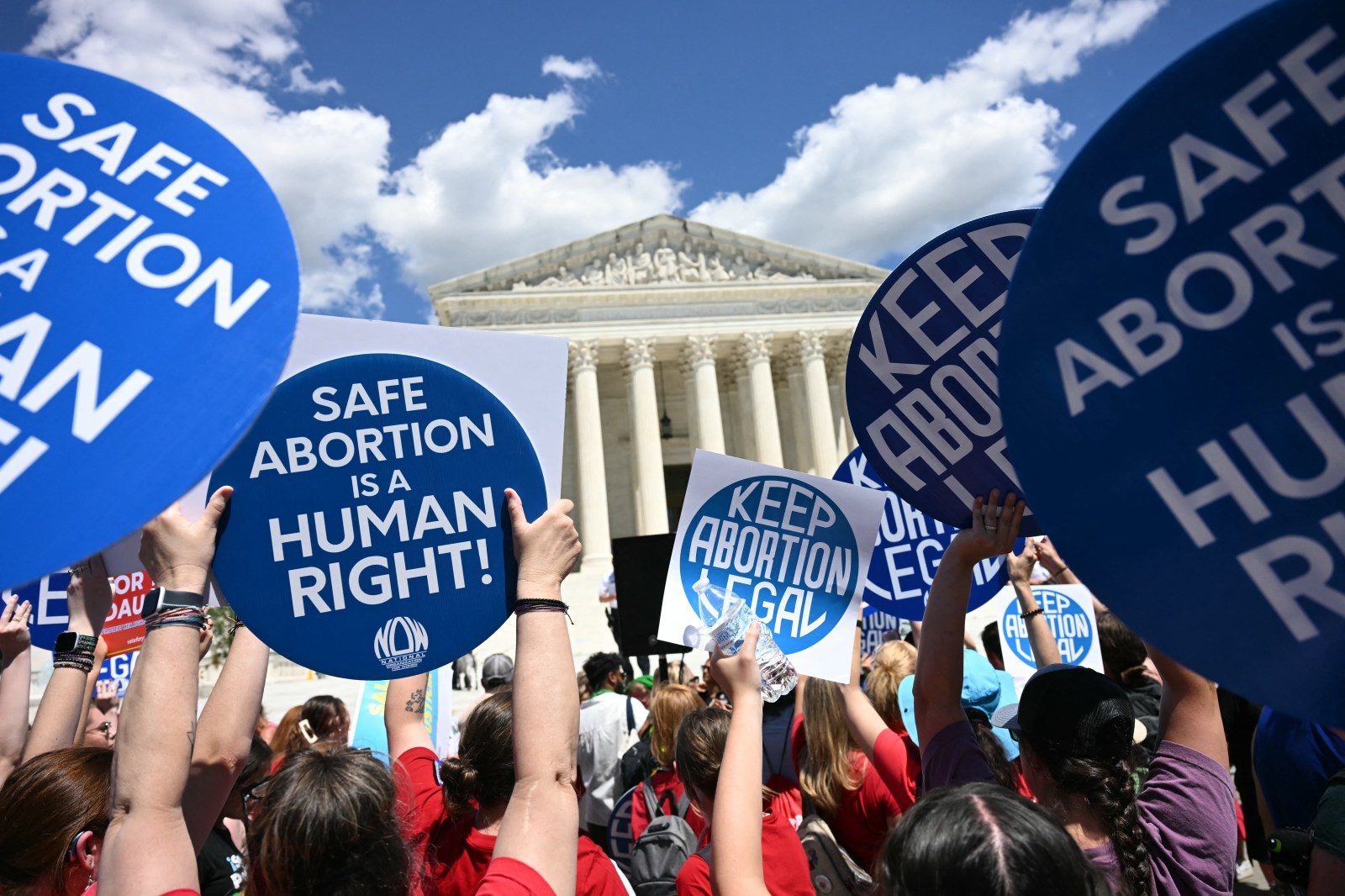
Four years after the U.S. Supreme Court removed the constitutional right to abortion, the number of procedures performed in the U.S. has increased, contrary to expectations. Despite strict bans in several states, abortions continue across the nation.
According to a Guttmacher report published in March, over 1.12 million abortions were provided by U.S. clinicians in 2025. This number represents a 21% increase compared to 2020 and has remained relatively stable over the past two years. The year 2020 serves as the last full year of national data before the ruling that reshaped abortion access.
The pivotal ruling came on June 24, 2022, when the Supreme Court decided on Dobbs v. Jackson Women’s Health Organization, reversing Roe v. Wade. This decision ended nearly five decades of federally guaranteed abortion rights, returning regulatory power to the states, leading to varied laws across the country.
Abortion Access Across States
Abortions continue in every U.S. state even after the Dobbs ruling, according to the Society of Family Planning’s WeCount project. This initiative tracks shifts in abortion volumes, revealing that telehealth services have become vital, especially in states with stringent bans. Telehealth has facilitated remote consultations and mail delivery of abortion medication, bypassing traditional barriers.
The Society’s data indicate that about 81% of abortions are reported by licensed clinicians, with around 19% imputed. However, this likely underreports such procedures performed outside formal healthcare settings.
Immediately post-Dobbs, a nationwide decline in abortion numbers was anticipated. However, data indicates otherwise, with procedures persisting even under the strictest state laws. Delays in care due to abortion bans also worsen medical conditions in some cases, as shown by Amanda Zurawski’s experience in Texas, where delays led to severe health consequences.
Factors Driving Increased Abortions
Several factors contribute to the rise in abortions. The rapid adoption of telehealth and medication abortions has revolutionized access. Providers now offer remote consultations and mail services, including to those in restrictive states, enhancing accessibility.
“Both in Wisconsin and rural Minnesota, telemedicine abortion is essential for accessibility,” Dr. Kristin Lyerly, OBGYN, noted.
Some states have enacted laws to safeguard and even expand abortion access, transforming regions like Illinois and New Mexico into care hubs for those traveling from restrictive states. Self-managed abortions, via medications sourced outside traditional healthcare, also likely play a role, though tracking these cases remains challenging.
Regional Disparities and Legislative Responses
The increase in abortions is uneven nationally. In strict states, access remains severely limited, forcing travel or alternative methods. Conversely, states with legal abortion face higher demand, straining resources.
Since the Dobbs ruling, public discourse on social media reflects various stances on the issue. Some call the reversal a failure, urging for stricter laws, while others claim it restored rights to protect unborn lives. Political figures express differing views on the ruling’s impact and future strategies.
Looking Ahead
Four years post-ruling, data indicate that while the decision has changed how abortions are obtained, it hasn’t reduced the overall numbers. The issue now lies in adapting care and managing legal complexities amid ongoing political debates.