
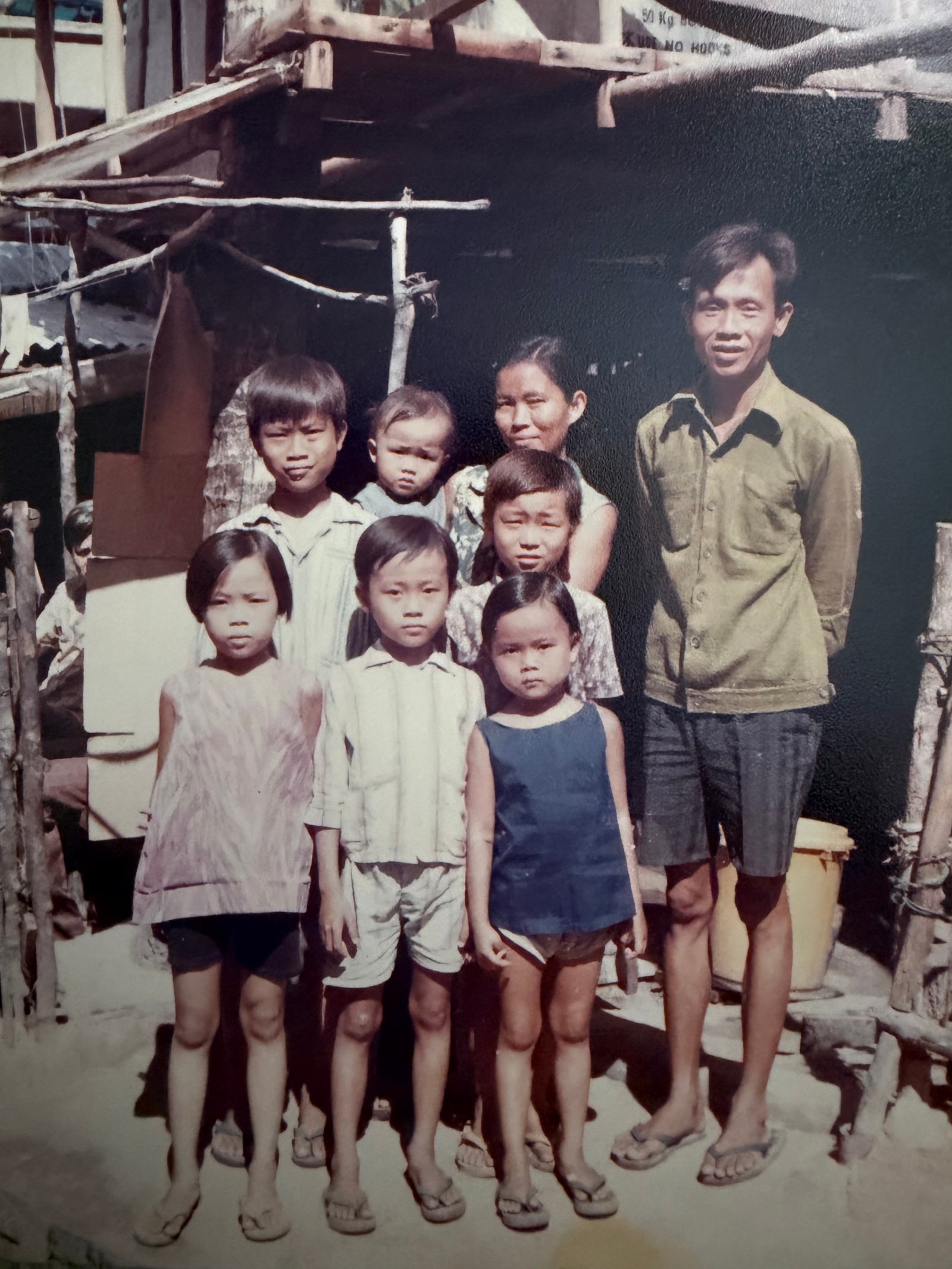
In 1979, at the age of 11, I experienced a life-altering moment when my father instructed our family to pack a small bag. That night, our family of nine left our home in Saigon for a coastal village in Song Be, Vietnam. Under the cover of darkness, we boarded a cramped fishing boat with about 300 others, setting sail into the uncertainty of the open sea. At the time, I didn’t fully grasp the situation, but now as a father, I comprehend the weight of my father’s decision. He opted for a perilous journey, risking everything for the possibility of a brighter future for his family.
Decades later, in March, I returned to Vietnam as the chief financial officer of UNICEF USA. I walked through a country transformed from the war-torn nation of my childhood to one that was vibrant and full of opportunities. I pondered whether my parents would have embarked on that dangerous journey had they known Vietnam’s future. I concluded that hope drove my father’s decision—a hope that his children could live beyond fear and limitation. This story resonates with the experiences of many families facing similar decisions today.
In June, as we mark World Refugee Day and Father’s Day, I reflect on how interconnected these events are for many fathers worldwide. Every refugee statistic represents a decision made out of responsibility and hope. Currently, nearly 50 million children face forced displacement, a record-breaking figure. Like me, they will carry these experiences throughout their lives.
After three days at sea, my family reached Malaysia, where we stayed briefly before moving to a refugee camp. A year later, we were relocated to the Philippines, awaiting resettlement. Initially, no country accepted us due to factors like family size and language barriers. Despite bleak prospects, we received support from humanitarian aid. I received vaccinations and learned from volunteer teachers. It reinforced the message that the world hadn’t forgotten us.
I vividly remember seeing the UNICEF logo as a child. While I didn’t understand institutions, I knew what it meant for someone to be there for us. Humanitarian support goes beyond immediate needs, fostering long-term systemic change. During my Vietnam visit, I witnessed the transformative power of such support.
Our visit to the Inclusive Education Resource Center in Hanoi was inspiring. I saw technology being used to help children with disabilities integrate into mainstream schools. In Bac Ha, I observed mother-tongue-based bilingual education for the Hmong community, preserving cultural identity while learning Vietnamese. This echoed my journey of learning English while maintaining cultural roots.
On our final day, visiting a boarding school evoked memories of my refugee camp experience. The sight of children sharing cramped spaces reminded me of the wooden boards I slept on in Malaysia. These programs are vital lifelines, determining whether a child reaches their potential.
With rising global displacement, support for systems aiding refugees is under strain. Discussions often focus on borders and costs, neglecting long-term impacts. My life attests to the immeasurable returns of investing in children. A refugee child today could grow into a vital contributor to society, as I did.
On World Refugee Day and Father’s Day, we must recognize these families’ resilience and our shared duty to them. My father’s courage wasn’t unique. Many parents face impossible choices, risking everything for their children’s future. We must emulate their determination by providing education, healthcare, and opportunities to thrive. This isn’t just compassion; it’s an investment in global stability.
Upon reflecting in Vietnam this year, I felt gratitude for my parents and the organizations supporting us. But I also felt a responsibility. Millions of children still await the chance I was given. My father’s risk allowed me a future, and now it’s our turn to ensure the same for others.
Michael Chen serves as the chief financial officer for UNICEF USA.