
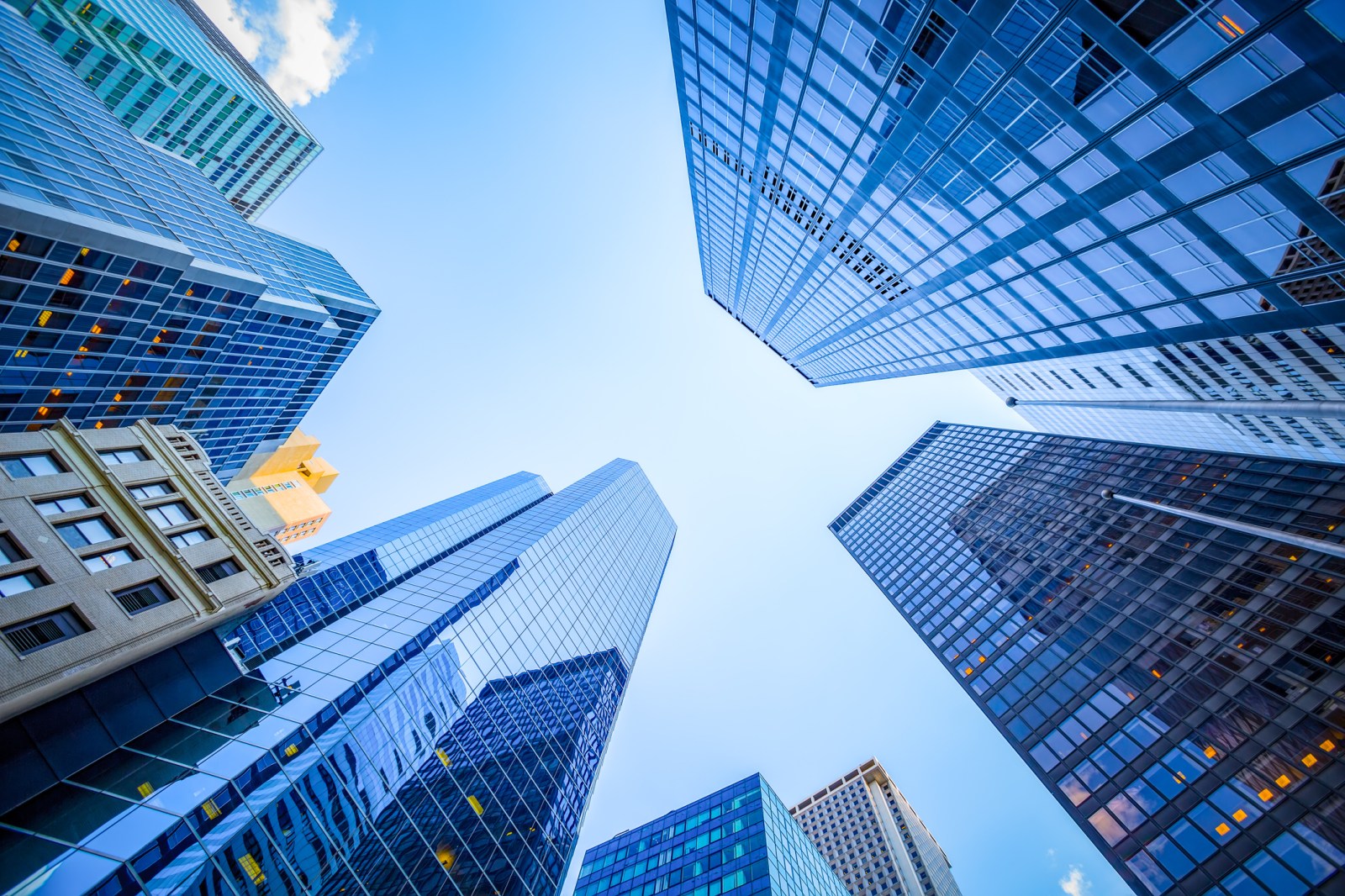
Skyscrapers capture attention with their height and shining façades, but much of their true complexity is hidden from view. Behind the numbered floors and observation decks is a network of concealed levels critical to a building’s stability and function. These hidden floors serve an essential yet invisible role in maintaining each skyscraper.
According to Zaeem Chaudhary, director and chartered architectural technologist (MCIAT) at AC Design Solutions, “hidden floors in skyscrapers are more common than most people realize.” Mechanical plant floors, structural transfer levels, and fire refuge floors, often omitted from public floor numbering, exist for engineering and safety reasons. They remain unseen but vital to making tall buildings operate efficiently.
As cities become denser with growing populations, architects and engineers focus on taller buildings being more efficient and sustainable. Global research indicates a shift in design priorities toward energy reduction, renewable systems, and enhanced building performance with advanced technologies.
The United Nations Environment Programme (UNEP) points out that buildings and construction make up approximately 37% of global CO2 emissions. This places pressure on the industry to innovate and reduce environmental impacts. With land constraints in urban areas, vertical construction becomes necessary. Designers must rethink how skyscrapers use energy, materials, and space while accommodating expanding urban populations.
The Invisible Infrastructure
Central to every tall building are mechanical floors, which house essential systems like heating, ventilation, electrical equipment, and water infrastructure. These levels are spread throughout each high-rise to ensure efficient operation. Since services cannot run effectively from a single ground-level plant room, skyscrapers usually have multiple mechanical levels.
Hassan Baloch, a structural engineer and founder of Civil Engineering Daily, highlights that skyscrapers include floors not used for offices, apartments, or hotel rooms. Mechanical systems such as HVAC units, water tanks, pumps, electrical substations, and fire protection systems are distributed throughout a building.
In megatall towers like Dubai’s Burj Khalifa, the world’s tallest building, these systems span several levels, often with increased floor heights to accommodate large equipment. Such infrastructure creates a “vertical city” where power, water, and climate control function across great heights.
Structural Floors That Aren’t Visible
Some hidden levels encompass structural transfer floors—spaces filled with beams and load-distribution systems. These floors appear when a building’s structural layout requires changes, such as moving from a wide lobby to a denser space above. Entire floors may be devoted to structure, not shown on lift panels.
Engineering literature details that transfer structures help redistribute loads, allowing for flexible architectural layouts while ensuring stability. Such floors are essential yet unseen by building occupants.
Similarly, outrigger and belt-truss systems create another hidden layer. They connect a building’s core to outer columns, increasing stiffness and reducing wind sway. These elements often integrate with mechanical floors.
Engineers combat wind-induced motion using tuned mass dampers, which absorb and dissipate energy to reduce vibrational effects. Research indicates these systems stabilize structures by synchronizing with a building’s natural frequency, crucially enhancing safety and comfort.
Safety design adds more hidden floors through refuge areas required by fire codes. These spaces offer protection where occupants can wait safely during emergencies, forming part of phased evacuation strategies practical in tall buildings.
Beyond these levels, skyscrapers contain additional elements like lift overruns, communications rooms, roof plant spaces, and interstitial zones between walls or ceilings. Ken Brenner shared that interstitial spaces house structural trusses, large mechanical equipment, or unconditioned architectural voids beneath observation decks or structures concealing rooftop machinery.