
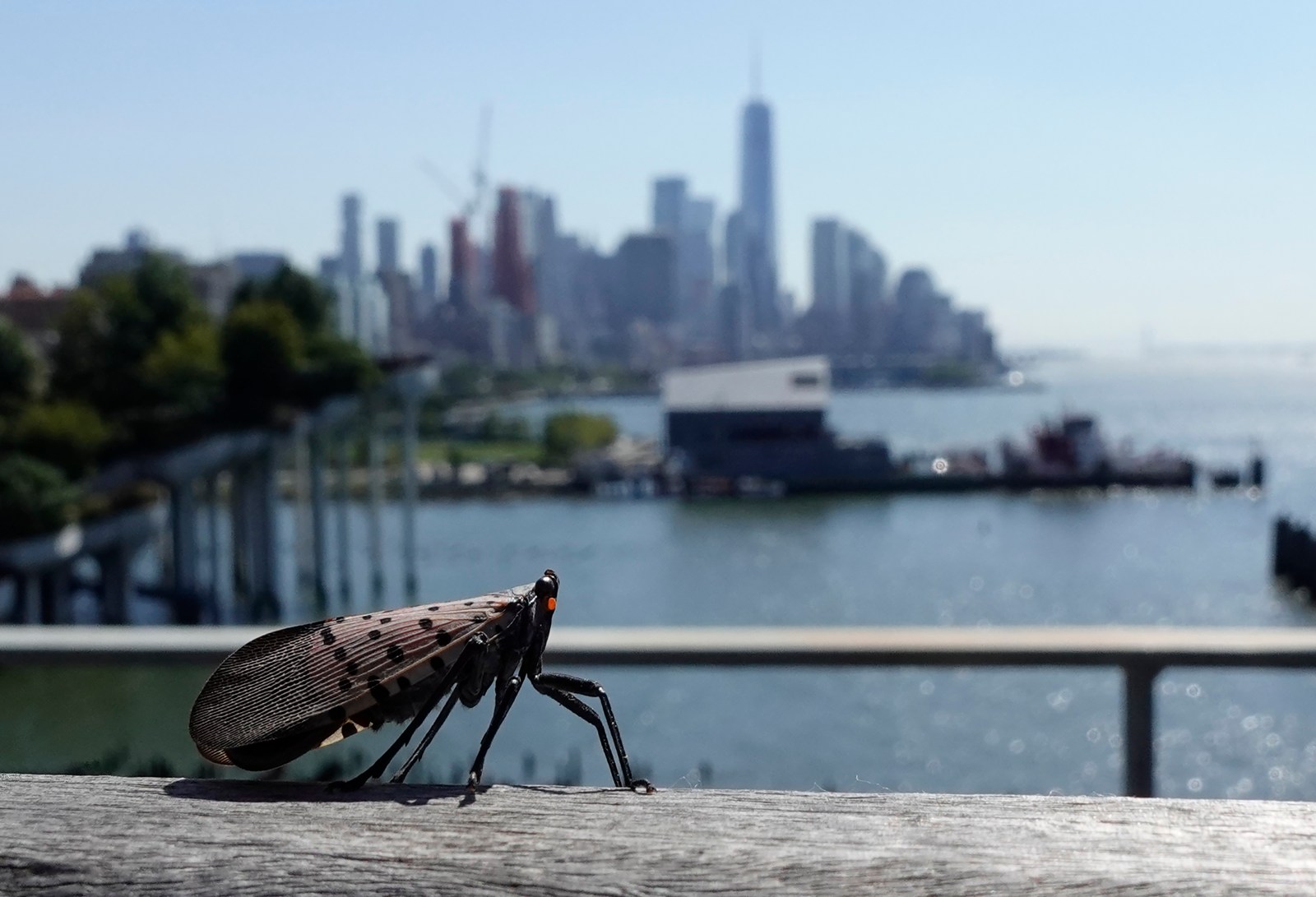
Warnings about invasive species have intensified, with scientists alerting to their rapid spread this summer. Across the U.S., these ecological threats are not emerging; they are entrenched, transforming ecosystems daily. The U.S. Geological Survey (USGS) notes these species damage habitats, outcompete native life, and can even introduce diseases.
From Midwest waterways to Southern wetlands and Northeastern forests, invasive species proliferate, driven by climate change, international trade, and evolving environmental conditions.
Pathways of Introduction
The U.S. grapples with various invasive species, introduced through shipping containers, vessel ballast water, the wildlife trade, and even tropical cyclones. Authorities respond with measures like restricting firewood transport, requiring boats to be cleaned, engaging in targeted eradication, and controlling the movement of plants and produce.
There are nearly 15,000 records of non-native reproducing species in the U.S. Register of Introduced and Invasive Species.
Sara Kuebbing of Yale School of the Environment highlights that the risks from these species pose serious economic, environmental, and health challenges.
Invasive Species Defined
USGS utilizes various methods, from field surveillance to genomic analysis, to track and assess invasive species. Their research aids federal, state, and local agencies in preventing further spread and mitigating ecological harm. The rapid expansion of these species tests management efforts as they exploit connected waterways, warm climates, and human transport networks. Many populations are now deeply entrenched in ecosystems.
Golden Mussels (California)
Golden mussels are a concern for their rapid reproduction and ability to form dense colonies on hard surfaces, threatening water supply networks.
Burmese Pythons (Florida Everglades)
In the Everglades, Burmese pythons have disrupted local food chains, becoming a major predator due to the exotic pet trade.
Spotted Lanternfly (Northeast and Midwest)
First seen in Pennsylvania, the spotted lanternfly harms crops and trees, posing serious threats to agriculture and forestry.
Feral Swine (Southern U.S.)
In the South, feral swine damage crops and habitats and pose health risks due to the diseases they carry.
Emerald Ash Borer (Nationwide)
The emerald ash borer has killed millions of ash trees across North America, causing widespread ecological destruction.
Northern Snakehead Fish (Mid-Atlantic)
This resilient fish threatens native fish populations, challenging inland fisheries in the region.
Asian Carp (Mississippi River Basin)
Asian carp threaten aquatic ecosystems and could move toward the Great Lakes, raising significant environmental concerns.
Nutria (Gulf Coast)
Nutria degrade wetland ecosystems by eating vegetation that stabilizes marshlands, leading to erosion.
Giant African Land Snail (Florida)
Florida faces ongoing outbreaks of this snail, which harms crops and carries parasites dangerous to humans.
An Ecological Shift
Together, these species highlight an ecological shift within the U.S. No longer isolated incidents, they form a pattern induced by climate change and global movements. Prevention is no longer the sole focus for scientists and policymakers; they must now adapt and contain within a constantly shifting landscape.