
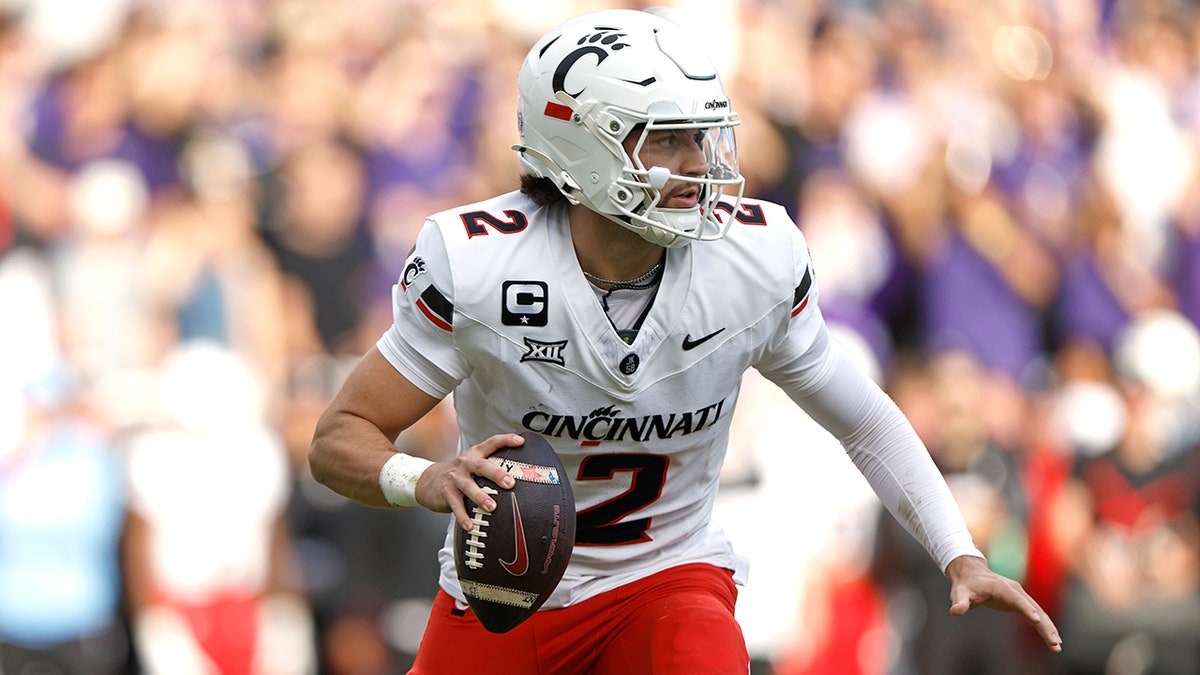
A district court in Lubbock, Texas is set to hear a crucial case involving Brendan Sorsby, Texas Tech’s quarterback. Sorsby’s attorneys are pushing for an injunction against the NCAA that, if successful, would allow him to play this season. Despite admitting to placing numerous bets, some on his own team, his legal team argues for his eligibility.
The case revolves around Sorsby’s extensive gambling activities. Legal documents show he placed $90,000 in bets over four years, attending schools like Indiana, Cincinnati, and now Texas Tech. His betting methods included using multiple apps such as FanDuel and Hard Rock Bet, and seeking help from friends to place bets on various sports including the NBA and MLB.
One critical moment occurred when Sorsby wagered on his own football team during his redshirt season at Indiana. He confessed to over 2,900 wagers amounting to more than $30,000. These included 40 bets on the Hoosiers while he was a scout-team quarterback, although he claims all were in favor of the team winning. NCAA rules, however, prohibit student-athletes from betting on their own college sports or any with collegiate championship games.
Following these violations, the NCAA ruled Sorsby ineligible for the 2026 season. His attorneys claim the NCAA is mishandling his gambling addiction and not aiding his recovery. “Mr. Sorsby is currently ineligible due to violations of betting rules,” stated the complaint. “The NCAA has used his condition to falsely promote competitive integrity.”
While Sorsby did not wager on games he directly participated in, he acknowledged his addiction worsened at Texas Tech. He continued betting through friends, sending $5,000 to back MLB, NBA, and PGA Tour bets.
Despite these admissions, Texas Tech remains supportive. The university recently completed a letter urging the NCAA to consider a two-game suspension as a proportionate penalty. They argue it wouldn’t set a bad precedent since Sorsby only bet for his former team to win, justified by a medical disorder and without participating in those games.
Texas Tech claims that a harsh punishment may discourage student-athletes from seeking help for mental health and addiction issues, framing NCAA’s approach as detrimental.
The situation reached this point through a tip to the NCAA, which alerted them to Sorsby’s gambling habits. Now, both his future and the wider collegiate athletics framework await the court’s decision.