
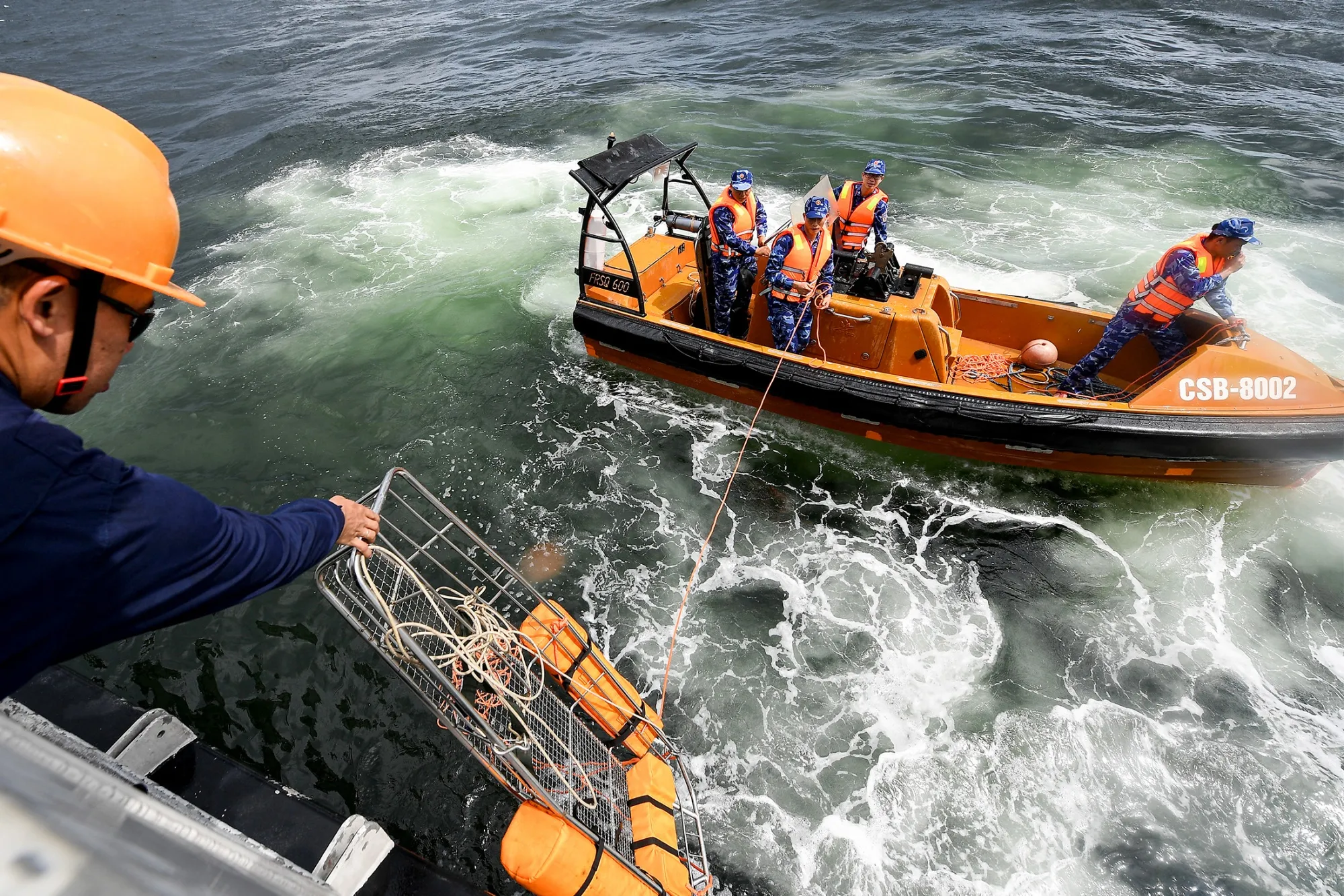
On October 31, 2022, a notable development occurred in the South China Sea. The Chinese Coast Guard ship 5205, renowned for its size, embarked on a mission. It left the port of Sanya and started patrolling the contested northern Spratly Islands. This initial movement gained significant attention when, months later, it navigated close to areas held by Vietnam. A notable incident involved the Philippines claiming the ship used a military-grade laser against one of its vessels near the Second Thomas Shoal.
By 2025, this ship had approached multiple disputed features under the claims of several countries, including Malaysia, the Philippines, Taiwan, and increasingly, Vietnam. The ship’s activity exemplifies China’s expanding Coast Guard and maritime militia presence, pushing the limits of its territorial assertions. Vietnam, among others, has responded, fortifying outposts and bolstering coordination.
The growing tension highlights the volatility in the Asia-Pacific region.
The United States last month assured its allies through military drills in the Pacific, emphasizing deterrence efforts against China. Although less visible, the conflict risk escalates between China and Vietnam. This trend is especially pronounced in the Spratly Islands, where Vietnam has mirrored Chinese strategies, constructing and fortifying artificial islands. Data from sources like Starboard Maritime Intelligence identify increasing Chinese vessel activity near Vietnamese-controlled features, with significant numbers reported in recent years.
Particularly around Sand Cay, Namyit Island, and Petley Reef, China has intensified patrols. These locations have undergone notable transformations, including fortified garrisons and new harbor developments. During a 12-month period ending April 2023, 89 Chinese vessels were recorded near these features, marking a significant rise from previous years. According to international norms, territorial seas can extend up to 12 nautical miles around such features.
Vietnam’s Strategic Responses
Vietnam is actively countering China’s maneuvers. Its leadership, under To Lam, balances superpower relations amid global challenges, including a Middle East conflict impacting fuel supplies. Vietnam aligns with the US and allies to counter Beijing’s regional dominance. Enhanced cooperation with Southeast Asian nations has been evident, despite conflicting territorial claims.
Nguyen The Phuong, a maritime expert, notes Vietnam’s strategy to bolster deterrence against aggressive tactics. This involves island expansions with potential confrontation risks. Vietnamese and Philippine forces have conducted joint exercises, showcasing regional maritime unity.
The fortified features along crucial trade corridors add economic risks amidst global energy challenges. Vietnam’s leadership will outline its stance at upcoming defense dialogues. Ongoing global tensions, like the conflict in Iran, exacerbate these concerns, threatening the global economy with potential disruptions.
Regional Dynamics and Military Developments
Hanoi’s military modernization endeavors align defense spending with regional security threats. “Future military build-ups are not elective but essential,” said Gregory Poling of the Center for Strategic and International Studies. Vietnam embarks on defense upgrades, including acquiring US-made patrol vessels, signaling a strategic pivot.
While China reinforces its territorial claims, military infrastructure and readiness strategies evolve across the region. Critical assessments indicate both countries face potential standoffs over strategic territories in the South China Sea.
Implications for Vietnamese Industry
The heightened maritime activity affects Vietnam’s fishing sector, as fishers report increased confrontations with Chinese vessels. Measures like group fishing are encouraged for better security, with fuel aid offered as a minor compensation.
“Despite the determination to fish, many face increased risks,” stated Huynh Van Dam, representing Quang Ngai’s fishing community.
A thriving seafood industry depends on secure waters, but escalating disputes highlight complex regional challenges affecting local livelihoods.