
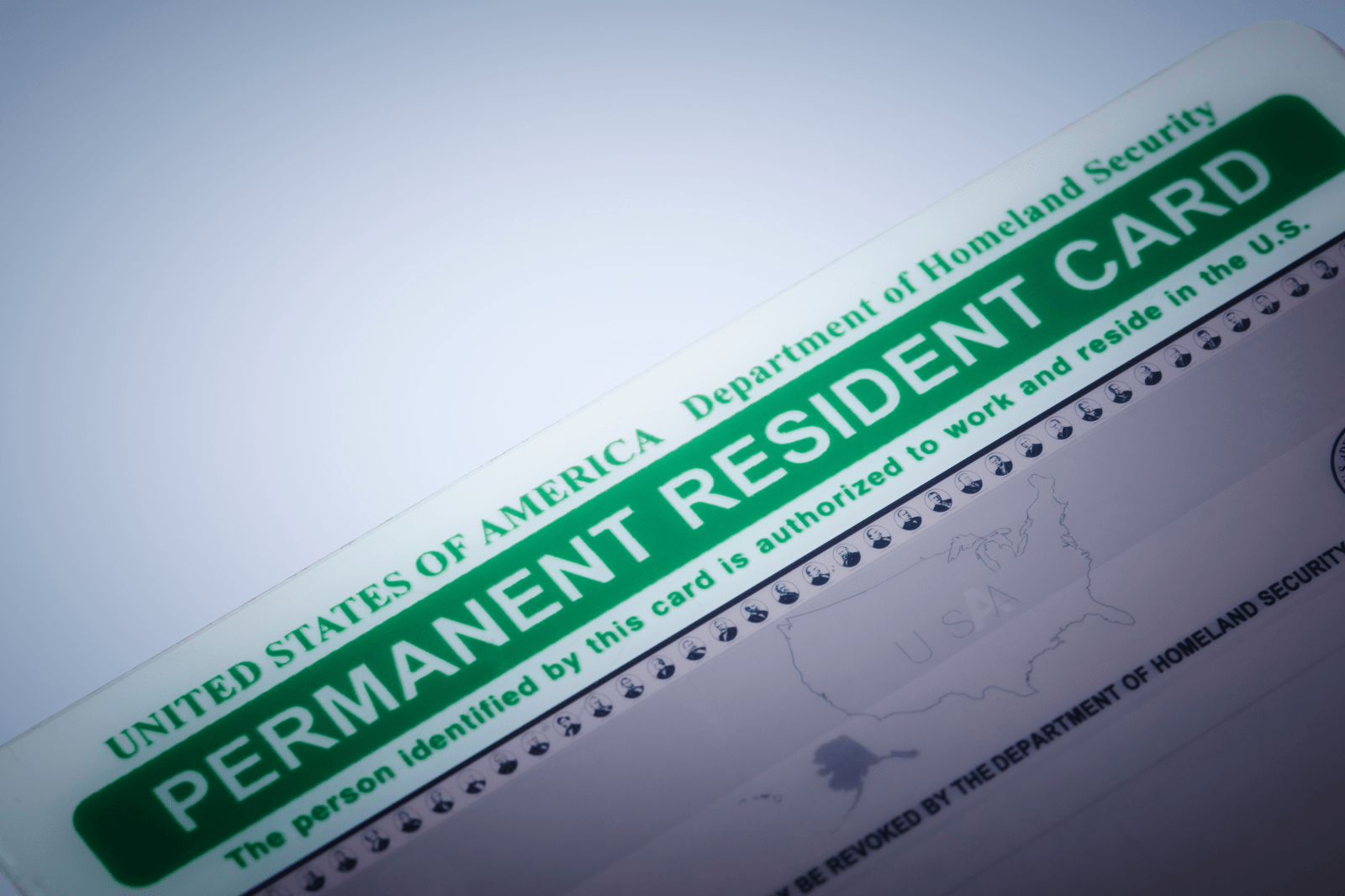
The procedures and criteria for obtaining a U.S. green card are under review as the Trump administration seeks to constrain legal immigration pathways. During the first quarter of fiscal year 2025, 350,120 individuals received U.S. green cards. This included 190,350 people adjusting their status within the U.S. and 159,770 arriving from abroad, according to data from the Department of Homeland Security (DHS).
This data, which covers October 1 to December 31, 2024, is from the quarterly legal immigration report by the Office of Homeland Security Statistics under the Biden administration. It categorizes recipients by nationality and admission type, providing a perspective on the system before policy changes were enacted to limit a prominent pathway to receiving a green card.
Reason for Concern
Green cards are a focal point as the Trump administration enforces stricter legal immigration rules, complicating the process for certain applicants seeking permanent residency. In May, U.S. Citizenship and Immigration Services (USCIS) stated that the ‘adjustment of status’ would be considered an ‘extraordinary’ relief measure, not a standard route to permanent residency.
Under this policy, most immigrants currently in the U.S. on temporary visas must apply from overseas, with only exceptional domestic approvals. This shift could significantly affect thousands of immigrants who might have otherwise stayed in the U.S. while their applications were pending.
Green Card Recipients
The data reveals that Mexico led with 40,790 green card approvals in fiscal 2025. Cuba followed with 30,050, then Afghanistan with 18,330, China with 17,150, and India with 15,460 approvals. Other notable countries included the Dominican Republic (14,500), the Philippines (10,250), El Salvador (10,050), Vietnam (9,170), and Pakistan (8,160).
Paths to Green Cards
Family-based immigration remained the primary route to permanent residency. The largest category encompassed immediate relatives of U.S. citizens, with 139,560 approvals, including spouses, parents, and children. Other significant pathways included family-sponsored preferences with 65,490 approvals, refugees at 43,540, employment-based immigrants at 41,940, and asylees at 27,930. Within the family system, subcategories included 73,330 spouses and 48,750 parents of U.S. citizens.
Potential Changes
‘Adjustment of status,’ used by 190,350 applicants in fiscal year 2025, has traditionally enabled U.S. residents to secure green cards without leaving the country. The new USCIS policy now treats this pathway as limited and discretionary, advising applicants to pursue consular processing abroad unless meeting a high approval standard. This policy change could alter how green cards are granted, potentially boosting overseas visa processing reliance.
Additional Measures by the Trump Administration
The administration broadened travel and visa restrictions affecting numerous countries, postponed or halted some asylum and immigration benefit applications, and reduced refugee admissions while increasing vetting processes. Stricter case reviews and more rigorous background checks have also been implemented for green card applications.