
May 26, 2026, Seoul, South Korea— Starbucks Korea is under a storm of controversy after a marketing campaign sparked outrage for allegedly mocking the country’s pro-democracy movement. The campaign, centered around the release of a large drink tumbler called a ‘tank,’ coincided with May 18th, the anniversary of the 1980 Gwangju Uprising, a historic event where hundreds were killed or injured by military forces.
The timing and naming of ‘Tank Day’ drew significant ire, with the slogan ‘Thwack it on the table’ perceived as a disturbing reminder of the fabricated explanation given by police in 1987 for the death of student activist Park Jong-chol.
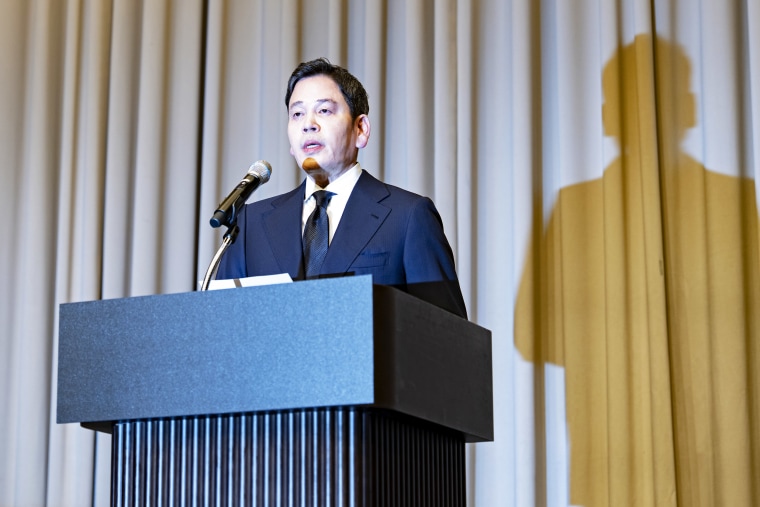
Bowing deeply before cameras, Chung Yong-jin—chairman of the Shinsegae Group, major stakeholder of Starbucks Korea—expressed his deep remorse.
He emphasized that anger should not be directed at Starbucks employees, while recognizing the gravity of public sentiment. Chung offered a televised apology and called for understanding and respect for the people’s feelings.
This marks Chung’s second apology in recent weeks. Despite the response, public anger remains potent, with Starbucks Korea CEO Sohn Jeong-hyun fired following an internal review labeling the campaign as ‘inappropriate.’
Public protests have painted a vivid picture of dissent. Demonstrators recently gathered outside a Gwangju Starbucks to smash Starbucks merchandise in protest. The interior ministry echoed the public sentiment by promising to boycott companies disrespecting South Korean history, cutting ties with brands deemed insensitive.
President Lee Jae Myung characterized the campaign as ‘inhumane’ and demeaning, resonating with public fury amid the sensitive political climate of upcoming local elections.
According to Kim You Kyung, professor of media and communication at Hankuk University, the incident struck a nerve, disappointing loyal customers. Yet, Shinsegae Group purportedly found no evidence of intentional mockery but clarified that involved employees are cooperating with investigations.
Both the conservative People Power Party and South Korea’s governing Democratic Party have engaged in heated debates. Accusations of ‘consumer censorship’ butt heads against calls for transparency in ongoing inquiries.
Beyond political discord, there is a genuine public demand for accountability. Kim advocates for global brands to heed cultural and historical sensitivities, especially those affiliated with American markets operating internationally.
Kim Young Jin, a university student, recognized Starbucks’ apology as necessary yet viewed some public reactions as overly aggressive. He suggests that consumer behavior may ultimately overshadow the controversy, noting his continued patronage due to preference and cost.
Reporters Stella Kim from Seoul and Jennifer Jett from Hong Kong contributed to this coverage.