
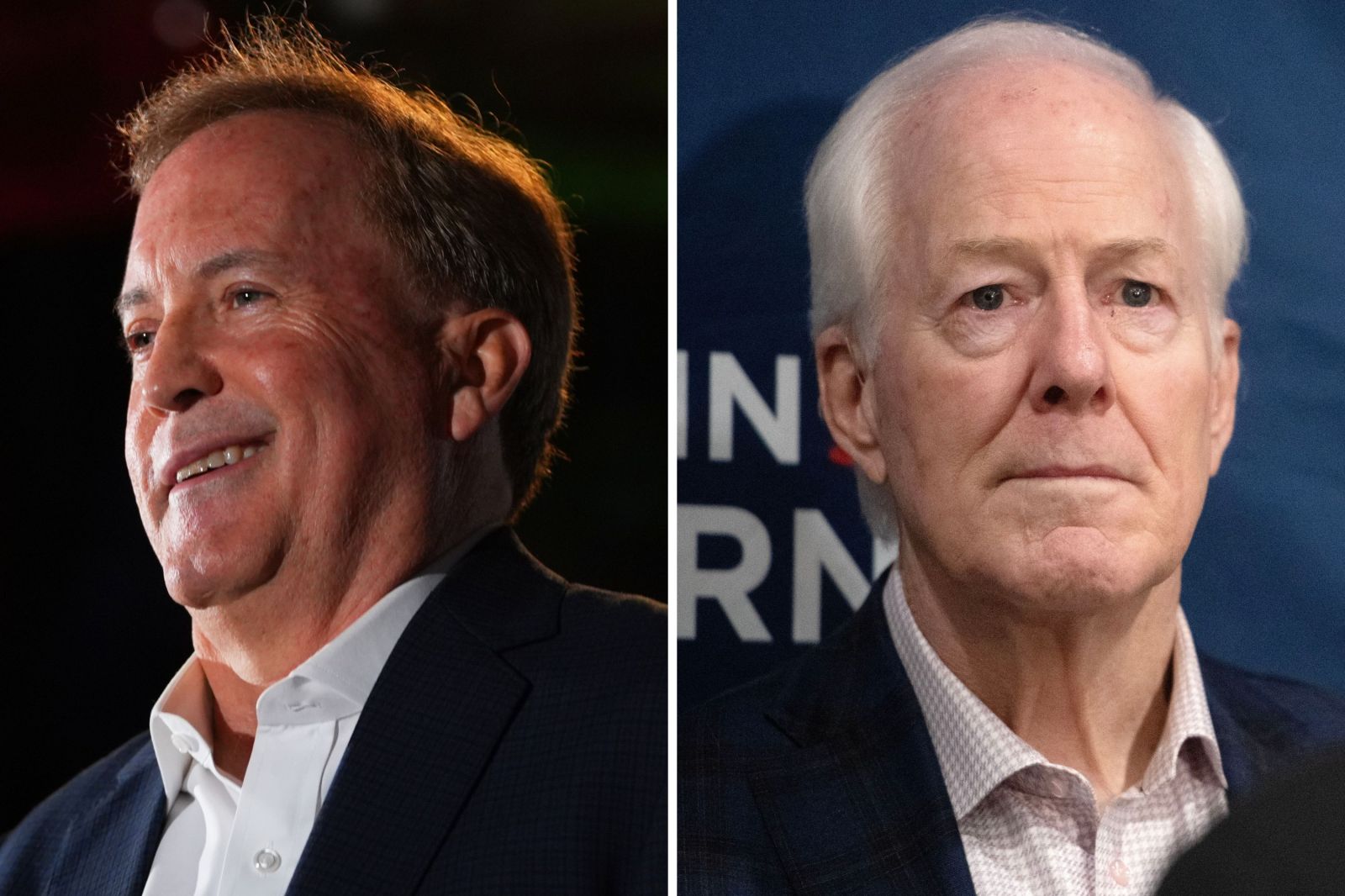
After more than a year of intense campaigning and $109 million in advertising, the Republican primary runoff for the U.S. Senate seat in Texas reached a quiet phase over the weekend. Attorney General Ken Paxton and Senator John Cornyn, key contenders in the race, conducted no new public events and refrained from issuing any fresh statements. Both awaited the upcoming election that would decide their battle for the GOP nomination.
Democratic State Representative James Talarico, who would face the winner, also awaited the results. The outcome of this election could play a crucial role in determining control of the Senate. A Democrat has not held a U.S. Senate seat in Texas since June 1993, when Robert Krueger, appointed by Governor Ann Richards, lost a special election to Kay Bailey Hutchison. Paxton’s path to nomination, bolstered by an endorsement from Donald Trump, has given momentum to Talarico’s campaign, creating a unique opportunity for Democrats to win the seat.
Why the 2026 Texas Senate Race Could Shift
Republican strategist Mike Madrid identified three factors contributing to a potential Democratic victory. According to him, these are: a favorable political climate for Democrats, a Democratic candidate with significant crossover appeal, and a Republican candidate with substantial vulnerabilities, namely Paxton.
Talarico, a first-term state representative and seminarian, benefits from Trump’s backing of Paxton over Cornyn. Paxton’s campaign is mired in controversies, from legal issues to ethics questions, making him a weakened Republican nominee. Paxton’s endorsement by Trump, which prioritized loyalty over electability, creates a precarious situation in the general election.
Paxton vs. Cornyn: The Dilemma
Trump’s endorsement of Paxton, part of a broader strategy, highlighted a dilemma within the Republican Party. Candidates loyal to Trump perform well in primaries but often struggle in general elections. Paxton has proclaimed his allegiance to Trump, but this approach alienates moderate and independent voters. His impeachment trial and other legal troubles add to his challenges.
Cornyn, on the other hand, presents a different issue with his nuanced support of Trump’s policies, causing rifts with the party’s base. Trump’s criticism of Cornyn reflects this tension. Despite his conservative record, Cornyn’s occasional deviations from full Trump support have hurt his standing with the most ardent Trump supporters.
Talarico’s Strategic Position
Polls indicate that Talarico is leading Paxton in general election matchups. A University of Texas survey showed Talarico ahead by 8 points, and another poll reflected a similar trend. While the Democratic candidate is still an underdog, particularly if Cornyn wins the nomination, Talarico’s crossover appeal offers hope. He is well-regarded for his faith-driven, charismatic approach which resonates with many voters.
Strategists emphasize that a Democratic victory requires strong performance among moderate voters. Talarico, with his independent stance, challenges the conventional Democratic message and seeks to bridge divides. This approach mirrors recent successful Democratic campaigns in other states.
Demographic Shifts and Republican Challenges
Despite some optimism, Republican strategist Alex Patton cautions that Texas remains structurally favorable to the GOP. Historical voting patterns show the Republican dominance, but the margin has decreased over the years. An unexpected swing toward Democrats remains implausible, though shifts in voting patterns and a challenging political environment for Republicans offer new dynamics.
The Hispanic vote is critical. Recent polls suggest a significant decrease in support for Trump among Latino voters, driven by concerns over economic policies and immigration issues. Talarico leads substantially among these voters. This shift reflects broader dissatisfaction with Republican policies, underscoring the potential volatility of the race.
As Paxton remains the favored candidate in the Republican runoff, the upcoming general election could transform Texas into an unanticipated battleground. However, the inherent Republican advantages and evolving political contexts demand cautious optimism for Democrats. Texas remains a challenging landscape, but current conditions provide them with an opportunity they haven’t seen in decades.