
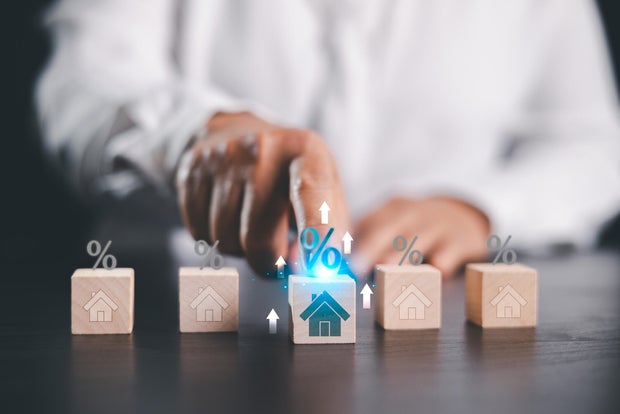
Rising inflation has significantly increased mortgage interest rates for borrowers. Currently, inflation is at the highest level in three years, affecting various sectors including mortgage rates. These rates have surged from the high 5% range to about 6.62% recently. According to Kevin Watson, a home loan specialist and district manager for Churchill Mortgage, the sharp rise in mortgage rates is a direct response to increasing inflation.
Future of Mortgage Rates Amid Inflation
No one can accurately predict mortgage rates. However, given the steady increase in inflation since February, experts do not foresee rates dropping soon. Jeff Taylor, a board member of the Mortgage Bankers Association and founder of Mphasis Digital Risk, suggests that rates will likely stay in the mid-to-upper 6% range. This range could rise to 7% if ongoing conflicts, like the one in Iran, persist. This conflict has led to inflation, pushing investors to sell mortgage bonds, which further increases rates.
Impact of Bonds and Federal Policy on Mortgage Rates
Bonds, especially mortgage-backed securities and 10-year Treasuries, greatly influence mortgage rates. A fall in bond yields typically reduces mortgage rates, while rising yields, as seen during major sell-offs, make mortgages costlier. Brian Shahwan, a vice president and mortgage banker at William Raveis Mortgage, notes that rising inflation often leads to higher bond yields and subsequently higher mortgage rates.
The Federal Reserve’s policies also affect mortgage rates. Although the central bank reduced rates three times last year, it has not made any cuts in 2026. Forecasts suggest a rate cut is unlikely this year. A rate increase seems more plausible, with some professionals estimating a 50% probability of a Fed rate hike by year’s end, according to Nicole Rueth, senior vice president at CrossCountry Mortgage.
Inflation’s Broad Impact on Housing Affordability
Higher mortgage rates due to inflation increase monthly payments, but inflation impacts more than just rates. It also escalates home prices, particularly for new builds dealing with higher material and transport costs. This situation can make home insurance more expensive and diminish the overall budgets of buyers.
Shahwan highlights that higher inflation may reduce homebuying budgets. As borrowing costs rise, buyers could qualify for smaller loans or need to stretch budgets to cover interest, taxes, insurance, and other expenses typically rising during inflationary periods. Inflation also affects the purchasing power of down payments, particularly harming lower-income buyers already struggling to enter the market.
Possible Resolutions and Future Prospects
Fortunately, experts do not expect mortgage rates to climb indefinitely. The ongoing conflict in Iran is the current primary driver of inflation and high rates. Once resolved, improvements are anticipated. Watson predicts that as the conflict ends, oil prices will stabilize, shipping disruptions will diminish, and the bond market will regain confidence in subsiding inflation, causing bond yields and mortgage rates to fall.
A new Federal Reserve chairman, Kevin Warsh, might also play a role. If the Iran conflict continues, rates could approach 7%, but Warsh, aligned with White House goals to lower rates, might maintain rates below 7% with a dovish approach, according to Taylor.
Ways to Cope with High Mortgage Rates
Even if mortgage rates remain high this year, homebuyers still have options to secure affordable payments. Brian Shahwan suggests adjustable-rate mortgage products, relationship pricing, first-time buyer programs, and free rate float-downs as methods to manage monthly payments. Buyers can also shop around for mortgage lenders, use a broker, buy discount points, or engage in a mortgage buydown program to minimize the impact of higher rates.