
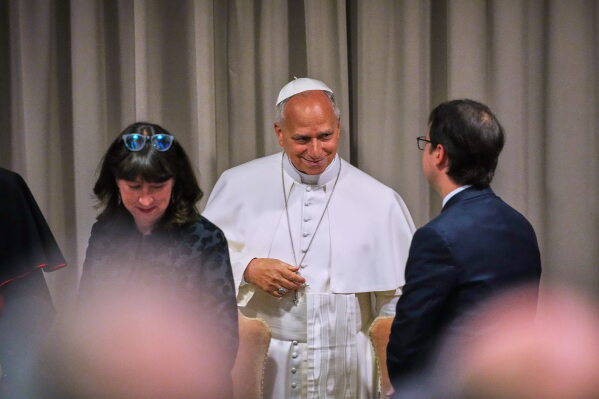
Pope Leo XIV has called for strict regulation of artificial intelligence, urging developers to prioritize the common good. During a presentation of his first encyclical, Magnifica Humanitas, the Pope emphasized the importance of utilizing AI for humanity’s benefit rather than for profit.
Leo critiqued the ‘culture of power’ in AI development, particularly concerning remote warfare technologies. He argued against allowing AI systems to make irreversible, lethal decisions, challenging efforts by the Trump administration to deregulate AI development.
Pope Leo XIV stated, “Artificial Intelligence demands to be disarmed, freed from logics that turn it into an instrument of domination, exclusion, and death.”
Experts in technology and Catholic morality view the encyclical as a significant contribution to the AI debate. They believe it provides guidance for policymakers, researchers, and the public, given growing concerns about AI replacing human jobs and intelligence.
Vatican’s Engagement with Tech Firms
During the Vatican launch, Anthropic’s co-founder participated, despite the company’s legal issues with the Trump administration regarding AI technology access. Pope Leo’s text criticizes the concentration of power in the private sector, urging regulations and ethical considerations.
Christopher Olah of Anthropic welcomed the Pope’s critique, emphasizing the need for external checks to ensure AI benefits humanity. Olah called for more involvement from global communities, paralleling the Pope’s call for responsible AI development.
A Benchmark Document for AI Ethics
Experts believe the encyclical will become a benchmark in AI ethics. Paolo Carozza from Notre Dame Law School praised the Pope’s coherent appeal for technology to serve humanity.
Leo condemned AI’s role in war normalization and demanded transparency in AI weapon command decisions. He stated that traditional ‘just war’ theory is outdated in today’s technological landscape.
Building on Catholic Social Teachings
Leo’s encyclical draws on Catholic social teachings, addressing digital revolution challenges. He links present AI issues to historical debates on workers’ rights and capitalism limits, advocating for human dignity and labor rights.
The Pope also issued an apology for the Church’s historical role in legitimizing slavery, reinforcing the commitment to human dignity.
Decade-Long Dialogue with Silicon Valley
The Vatican’s decade-long dialogue with tech firms aims to address AI’s societal impacts. While some criticized Anthropic’s inclusion at the launch, it was seen as acknowledging the company’s influence.
Brian Boyd from the Future of Life Institute viewed Anthropic’s involvement as significant, acknowledging its risk-taking and responsibility in AI development.