
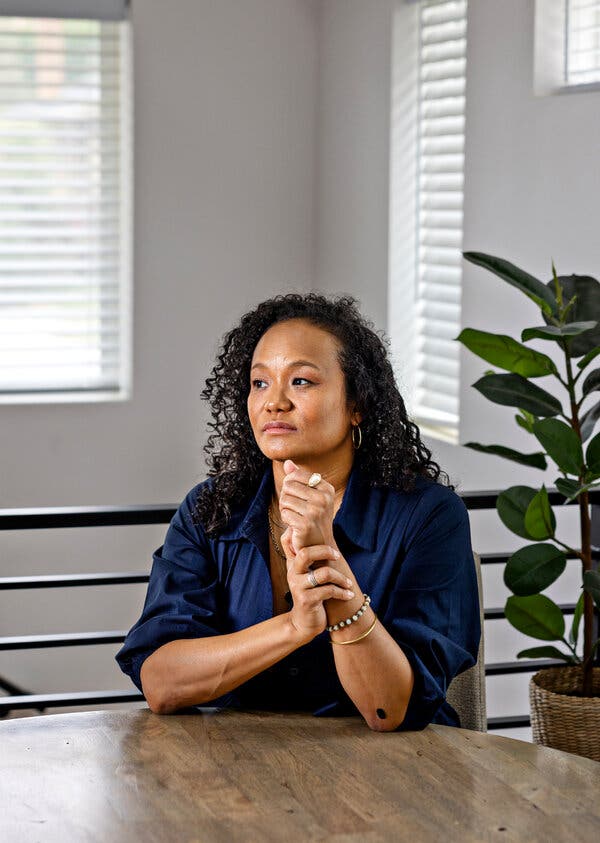
For Erin Millender, now 47, the prospect of becoming a mother faces its final hurdle. Her husband’s refusal to have a child with her further complicates an already delicate situation.
Erin Millender, who has long cherished the dream of motherhood, now confronts a legal dilemma. With a chosen day care and child tools ready, she has tried various methods from traditional pregnancy teas to midnight rituals. Her determination to be a mother pushed her into in vitro fertilization (IVF) despite the ticking clock.
Her efforts in IVF were ongoing when she made a pivotal call to her clinic in July 2023. Expecting to continue the process, the news of her husband revoking consent shattered this plan. The verdict from the doctor was clear: without mutual consent, the transfer of embryos could not proceed. Millender’s path to motherhood was abruptly blocked.
This situation highlights a broader discussion sweeping through courts and couples nationwide. With IVF increasingly adopted, moral and legal inquiries surface, notably regarding custody of embryos pre-birth. These debates are intensified by the emotional stakes surrounding potential life created in scientific settings.
Standing in Manhattan, Millender faced the impending legal battle. Her husband’s recent suggestion of divorce seemed a trivial marital issue, but it was evolving into a significant obstacle against her dreams. What once appeared as a temporary dispute threatens to unravel years of preparation.
This scenario exemplifies the intricate intersection of science, law, and personal aspirations, contributing to ongoing legal discussions impacting families.