
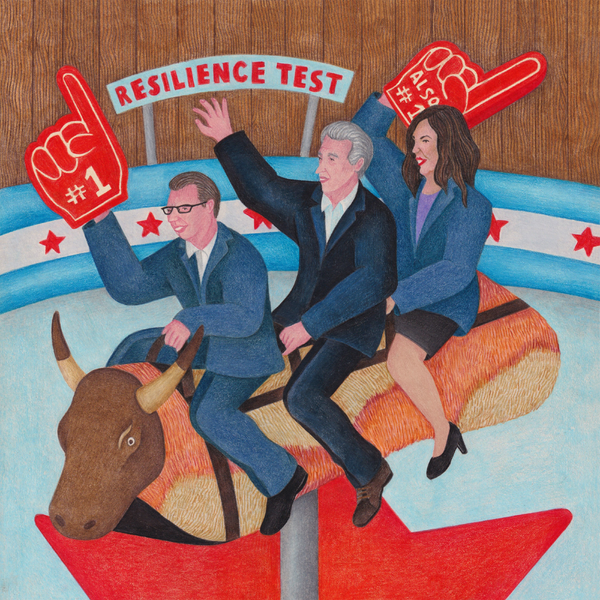
Insights from Behavioral Economics
Richard Thaler, renowned Nobel laureate and professor at the University of Chicago, has significantly impacted our understanding of human decision-making. Recently, he has focused on the Democratic Party’s process for selecting its presidential nominee, emphasizing the importance of the 2028 election.
David Leonhardt: Organizations often falter in hiring decisions. What common mistakes do they make when selecting candidates?
Richard Thaler: Hiring is inherently challenging, especially at higher organizational levels. The most reliable indicators of job performance are akin to tests. For example, ask a chef to prepare a dish to judge culinary skills. Predicting abilities in team management, however, is difficult. What test gauges that?
In the absence of a direct measurement of job performance, employers frequently rely on interviews. Unfortunately, unstructured interviews often fail to provide valuable insights into future job capabilities.
Challenges in Evaluating Leadership Potential
Thaler highlights the difficulties in assessing leadership through the example of NFL head coaches. In a single year, nine out of 32 teams dismissed their coaches, with a tenth resigning. Despite rigorous selection and established track records, the turnover rate exceeded 30%.
Selecting a presidential candidate involves unique challenges. The task requires identifying someone who excels in the world’s toughest job and can win a future popularity contest. Many potential candidates lack national election experience and presidential responsibilities exposure, making a definitive test impossible.
Despite this, Thaler believes there is room for improvement in the candidate selection process, which is critical given the stakes involved.