
Range USA’s Unique Approach to Gun Retailing
Founded in 2012, Range USA aimed to modernize the experience of buying and using firearms. Its founder, Tom Willingham, wanted to create an inviting environment. The company adopted the big box store model, offering bright and comfortable spaces to attract a wider audience.
Rapid Expansion and Challenges
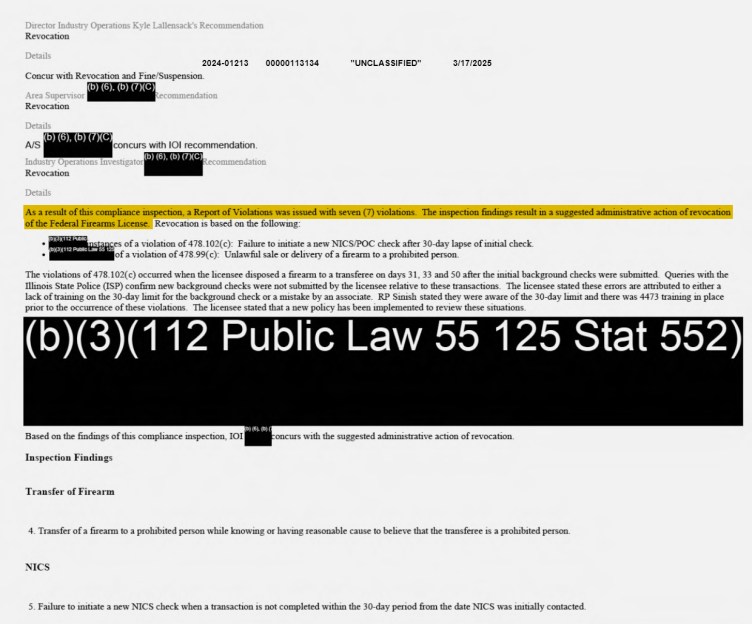
Today, Range USA has grown significantly, with 50 stores across 14 states from the Mississippi River to the Atlantic Coast. Despite its significant growth, the chain faces issues similar to other gun retailers. Federal regulators have cited Range USA for lapses in protocols meant to prevent illegal sales, and guns from its stores have been linked to crimes.
Instances of Compliance Failures
A recent example involves the fatal shooting of Chicago police officer John Bartholomew. The suspect used a Glock 29, which was illegally purchased in 2024 at a Range USA store in Merrillville, Indiana. This store had previously faced compliance citations by the Bureau of Alcohol, Tobacco, Firearms, and Explosives (ATF) for missing background checks.
Between 2020 and 2024, several Range USA locations faced potential license revocations, including incidents in Ohio. In Dayton, an employee sold a firearm to an individual who failed a background check. In Lewis Center, a clerk falsified sales records using an expired permit.
Responses and Legal Disputes
Range USA has often attributed violations to employee errors and high turnover. It has promised improved training, yet controversies persist. Willingham has supported political actions to elect candidates favorable to gun retailers. Both Range USA and Willingham have made significant financial contributions to the National Shooting Sports Foundation.
Straw Sales and Increased Regulation
The brand’s violations partly stem from straw sales, where buyers deceive sellers to acquire guns for individuals barred from purchasing firearms. Chicago has experienced multiple tragedies due to straw sales linked to Indiana. Attempts to detect and prevent such sales have proven difficult. Retail employees are trained to spot signs of straw purchases but issues persist.
ATF Policies and Industry Impact
The ATF has implemented surveillance programs targeting retailers for scrutiny. Under the Biden administration, the ATF adopted a zero-tolerance policy, which increased license revocation recommendations. However, the Trump administration reversed these policies, favoring a more industry-friendly approach.
ATF Director Robert Cekada announced plans to streamline paperwork, aiming to reduce errors. He asserted that public safety remains a priority despite policy changes. However, experts like Professor Daniel Webster express concerns that the new approach may lessen surveillance of illegal sales.