
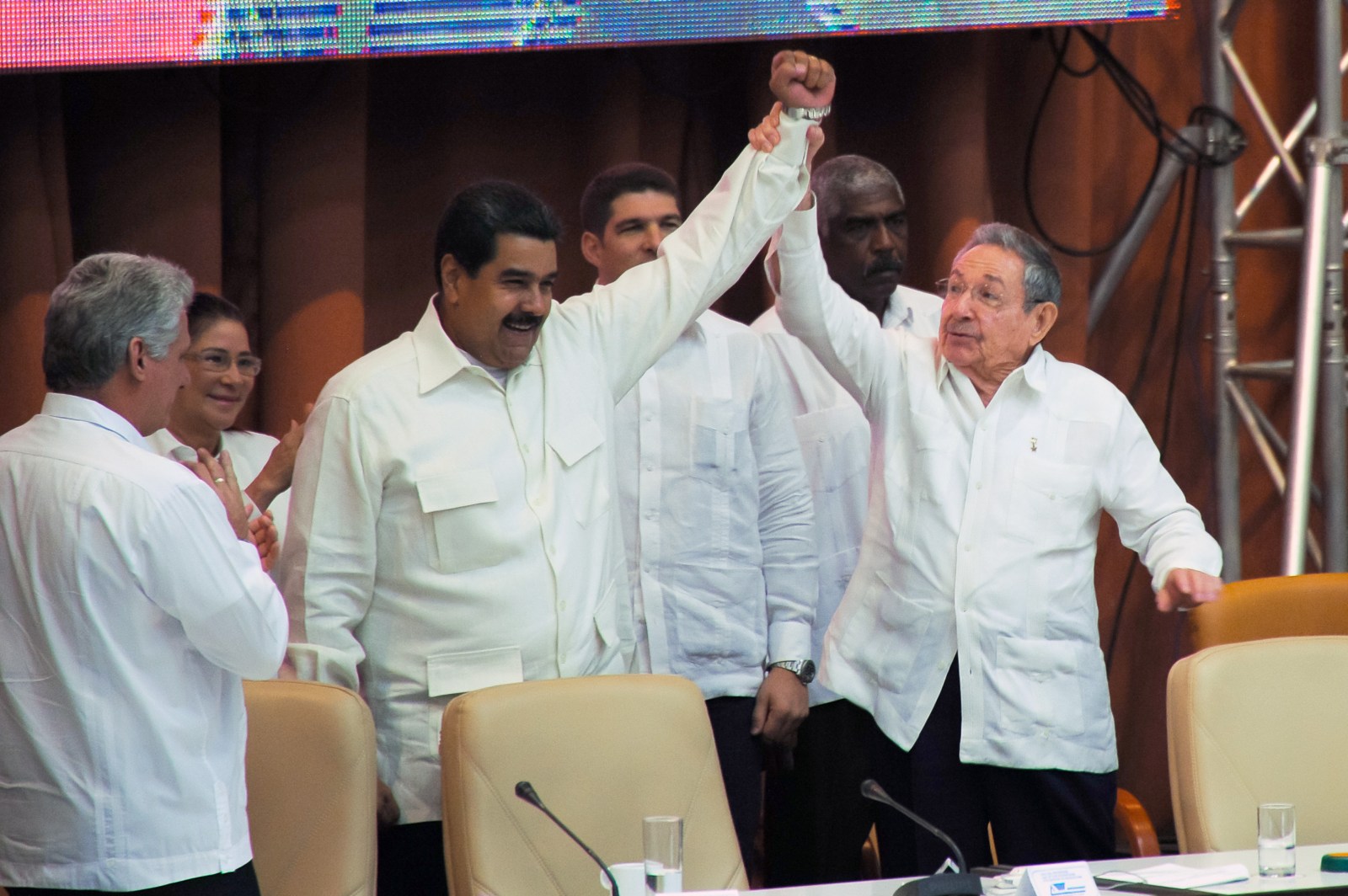
Indictment of Raúl Castro
The United States has indicted former Cuban President Raúl Castro, raising questions about potential U.S. actions against Cuba. Similar actions were previously taken against Venezuelan President Nicolás Maduro, who was apprehended in a Delta Force raid. This raid resulted in the deaths of several Cuban personnel protecting him. Maduro was charged with ‘narco-terrorism’ in New York in 2020 under the Trump administration.
Castro, now 94 and who took over from his brother Fidel in 2008, faces charges related to a 1996 incident where two civilian planes were shot down by the Cuban military. This was revealed by the Department of Justice recently.
Tensions between the U.S. and Cuba
This move occurs amid rising U.S.-Cuba tensions. Shortly after Maduro’s capture, the Trump administration announced an oil blockade on Cuba, warning of possible military intervention unless an agreement was reached.
The U.S.’s strategy included military threats against foreign powers like Iran and Venezuela. In February, the U.S. launched a military operation with Israel that resulted in the death of Iran’s Ayatollah Ali Khamenei. Though negotiations continue, these actions suggest Cuba remains a focal point.
Options for U.S. Action in Cuba
Analysts suggest Castro’s indictment might lead to military action. Despite President Trump’s indication of no immediate escalation with Cuba, the U.S. retains several options if needed:
- Special Operations Forces raid similar to Venezuela’s case
- A comprehensive air strike similar to the one on Iran
- Possible full-scale invasion, though Cuba’s military defenses may complicate this
Cuba’s Response
Cuba’s President Miguel Díaz-Canel stated that Cuba would resist any U.S. military action, citing the nation’s commitment to unity and revolutionary discipline. He expressed confidence in Cuba’s ability to counter any U.S. attempts.
Experts, like Christopher Sabatini of Chatham House, warn that the U.S. may find it difficult to replace Castro with a more compliant leader, due to Cuba’s cohesive elite and lack of an independent civil society.
Legal Challenges to U.S. Actions
The U.S.’s strategy of using indictments to justify military actions has faced legal scrutiny. Tess Bridgeman, co-editor of Just Security, argues that actions like the Venezuela operations violate international law unless justified by self-defense or UN Security Council approval. She stated that using an indictment to justify military action in Cuba would be illegal.
Benjamin Gedan of the Stimson Center Latin America program echoed these concerns, noting that such operations might breach U.S. and international laws.
Controversy Over the 1996 Incident
The Cuban government has criticized the U.S. for its portrayal of the 1996 incident. Cuba argues that ‘Brothers to the Rescue,’ involved in the incident, was a terrorist organization violating Cuban airspace, and that the U.S. lacks jurisdiction.
Cuba reaffirms its commitment to defending its sovereignty and supporting Raúl Castro, despite the U.S. indictment.
Potential Impact of Indictment
While military action appears unlikely, the indictment may pressure Cuba into more favorable negotiations with the U.S. According to Benjamin Gedan, this threat could strengthen U.S. negotiating positions.
Experts like Richard Feinberg emphasize that resolving issues with Cuba may require a broader approach than a singular focus on Castro, due to the entrenched power structures of the Cuban Communist Party.