
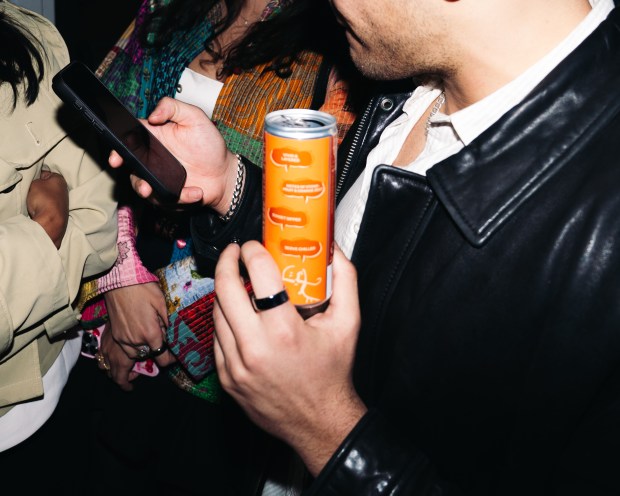
Many might assume serious wine enthusiasts steer clear of wines in cans. Traditionally perceived as drinks for casual settings like beaches and baseball games, canned wines seem less fitting for those with strong preferences for pinot noir or organic grapes. Yet, despite a worldwide decline in wine sales, canned wines and ready-to-drink options have seen a 14% annual growth in the U.S. since 2019. Their popularity is rising, offering wines with distinct identities and origins.
Convenience and Portability
Canned wines have always been synonymous with easy consumption, as noted by Andy Pates, founder of Cream Wine & Spirits in Chicago. More than the wine itself, their primary appeal lies in their portable format. “They’re the kind of wine you sneak into a movie, take to a picnic, or drink at your neighbor’s pool,” explains Pates. The single-serve size is less of a commitment than a whole bottle, catering to those controlling portions or those whose companions choose other beverages.
Evolution of Canned Wine Quality
Initially, canned wines emphasized lifestyle over taste, featuring bright labels covering fairly generic wines often sourced from unspecified producers. This trend is shifting. Independent winemakers focused on unique wines are adopting canned formats, enhancing what’s inside the can. These wines now offer more flavor diversity, stories, and better agricultural practices.
The Impact of Size
Interestingly, canned wine has gained appeal as serving sizes decreased, Pates observes. In its early days, the 12-ounce can was standard, similar to soda cans but representing half a wine bottle. This size often caught drinkers off guard. Nowadays, the industry largely favors smaller 250 ml cans, a third of a standard bottle, ideal for casual sipping.
The single-serving option is appealing, agrees Melissa Zeman from BottlesUp!, a wine store in Lakeview. These cans are perfect for patrons heading to a lake or BYOB restaurants. “People come in saying they want a good glass of wine while getting their nails done,” she shares.
Maturing Canned Wine Market
Today’s noteworthy canned wines originate from wineries known for excellence prior to adopting cans. They often utilize their own estate fruit or specific growers’ grapes, with a focus on improved farming techniques. These wines differ from traditional offerings by venturing into orange wines, pét nats, and varied blends, not typically found in standard stores.
Gulp Hablo, from Bodegas Parra Jiménez in La Mancha, offers wines in cans, such as white verdejo and rosé garnacha — embodying organic and biodynamic principles.
Pates highlights Prisma’s range from Chile’s Casablanca Valley as top sellers, featuring sauvignon blanc, pinot noir, and rosé. Ricardo Baettig from Viña Morandé directs these wines, made entirely from estate-grown fruit.
Djuce, a collaboration with European small-scale winemakers, merges compelling wine with eco-friendly cans. Meinklang, known for experimental wines in Austria’s Burgenland, and Azienda Agricola Cirelli, an organic producer in Abruzzo, are involved.
Pricing and Style
With prices over $10 per can, these mature canned wines are not inexpensive but reflect quality. Crisp whites, rosés, and chillable reds translate well to cans. “They’re fresh and easily drinkable,” states Pates. Sparkling variants are also popular, frequently accompanied by a slight spritz.
Notable Canned Wines
Gulp Hablo Fresco Red (La Mancha): Available for $6 at BottlesUp!, this blend is ideal for chilling. It’s light, made with garnacha, syrah, verdejo, airén, and macabeo. “Perfect for picnics and outdoor activities,” Zeman notes.
Prisma Sauvignon Blanc (Casablanca Valley): At $23 for four at Hops & Grapes, it offers a fruit-forward profile with minerality, unlike a typical New Zealand blend.
Prisma Pinot Noir (Casablanca Valley): Priced similarly, it delivers savory notes rare in new world pinot noir.
Las Jaras WAVES Red Wine (California): This blend, priced at $11 at BottlesUp!, combines zinfandel, merlot skins, carignan, and chenin blanc, featuring juicy and slightly tannic notes.
Famille du Vin Jean Pierre Robinot Dry White (Loire Valley): A bright chenin blanc with balanced acidity; it’s a thrilling can find.
Famille du Vin Château de Béru Special Cuvée Dry White (Chablis): The first canned Chablis, it showcases fresh floral and stone fruit notes.
Djuce CoLab Meinklang Rosa (Burgenland): Priced at $12 at Anfora Wine Merchants, this rosé offers a blend of zweigelt, blaufränkisch, and St. Laurent grapes, reminiscent of Meinklang’s Prosa.
Djuce CoLab Meinklang Kontext (Burgenland): Focusing on tropical aromas, it combines skin contact for balance, priced the same as Rosa.