
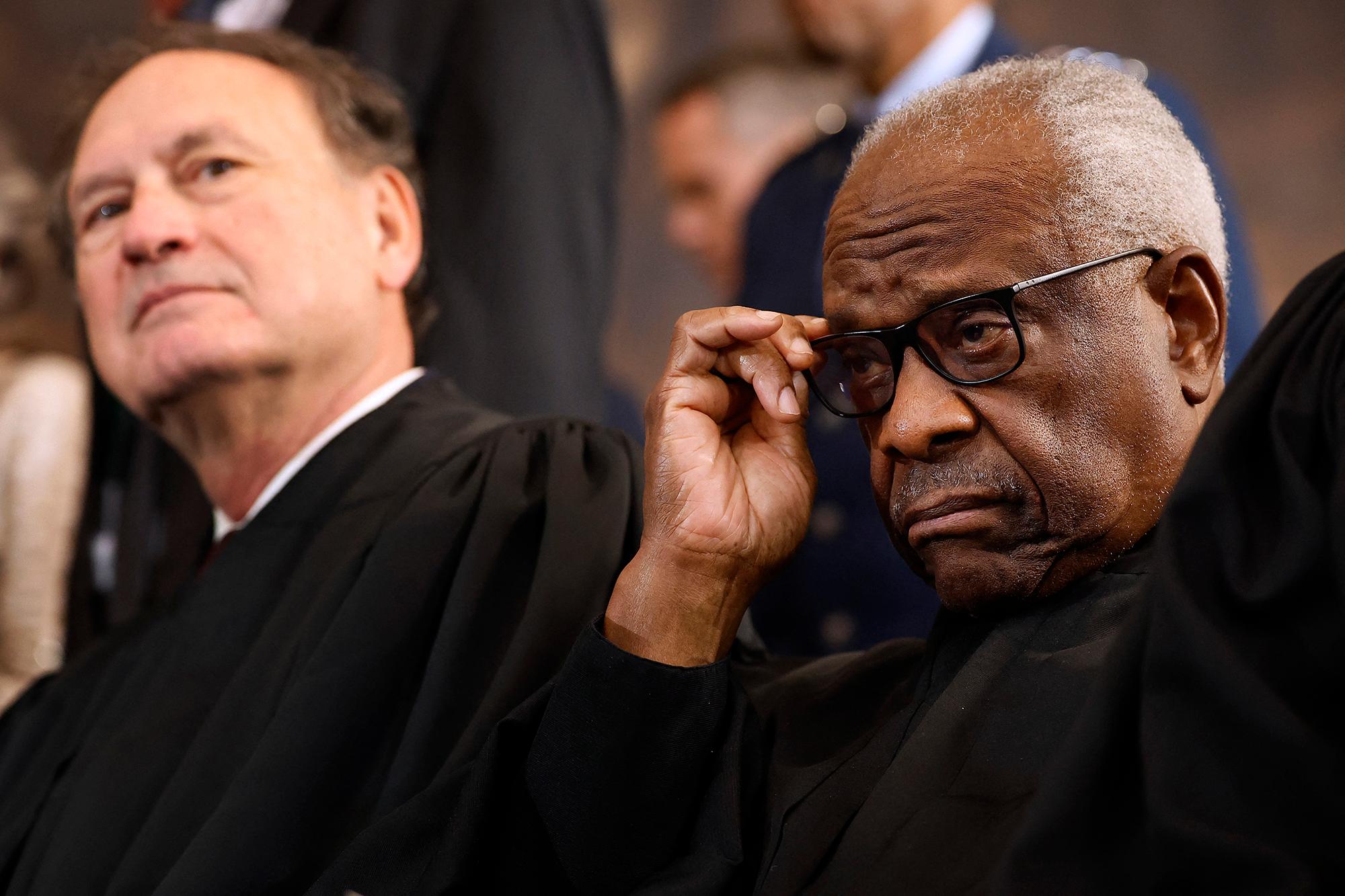
Recent developments have highlighted ongoing debates about compelled speech. A recent decision by the US Supreme Court illustrates the complexities involved. Justices Samuel Alito and Clarence Thomas attended the inauguration ceremonies at the US Capitol on January 20, 2025, adding to the context of judicial decision-making.
The Supreme Court declined to hear a case brought forward by Dr. Azadeh Khatibi. This California doctor sought relief from a state law that compels speech supporting “implicit bias” theory. Dr. Khatibi, who teaches continuing medical education, argues that she is being compelled to adopt the government’s viewpoint.
Implicit bias theorists argue that unconscious attitudes can lead doctors to deliver subpar care to minority patients. However, Justices Alito and Thomas couldn’t persuade enough colleagues to take up the case. The majority sided with California’s stance that medicine is a regulated profession. This perspective overlooks the lack of evidence connecting implicit bias training to improved patient outcomes.
California is not alone. Maryland’s recent law requires similar training for medical license renewal. Virginia enacted a comparable law in July. By January, an Illinois law will mandate an implicit-bias course focused on maternal health. Additionally, a bill in New York aims to require state employees to undergo implicit-bias training.
In Colorado, the Kelly Loving Act protects chosen names, similar to race or religion. This law demands public employees respect names chosen by transgender individuals. Businesses face legal consequences for non-compliance.
Looking ahead, California’s Assembly Bill 1803 will require anti-hate speech training for businesses with five or more employees starting in 2028. Questions arise about whether such legislation will withstand judicial scrutiny.
Justice Thomas expressed concern about the Supreme Court’s choice to pass on Dr. Khatibi’s case. He warned of the danger that this might encourage further speech restrictions or mandates. With Democrats controlling legislative houses and governors’ offices in 22 states, debates around compelled speech and related laws continue.