
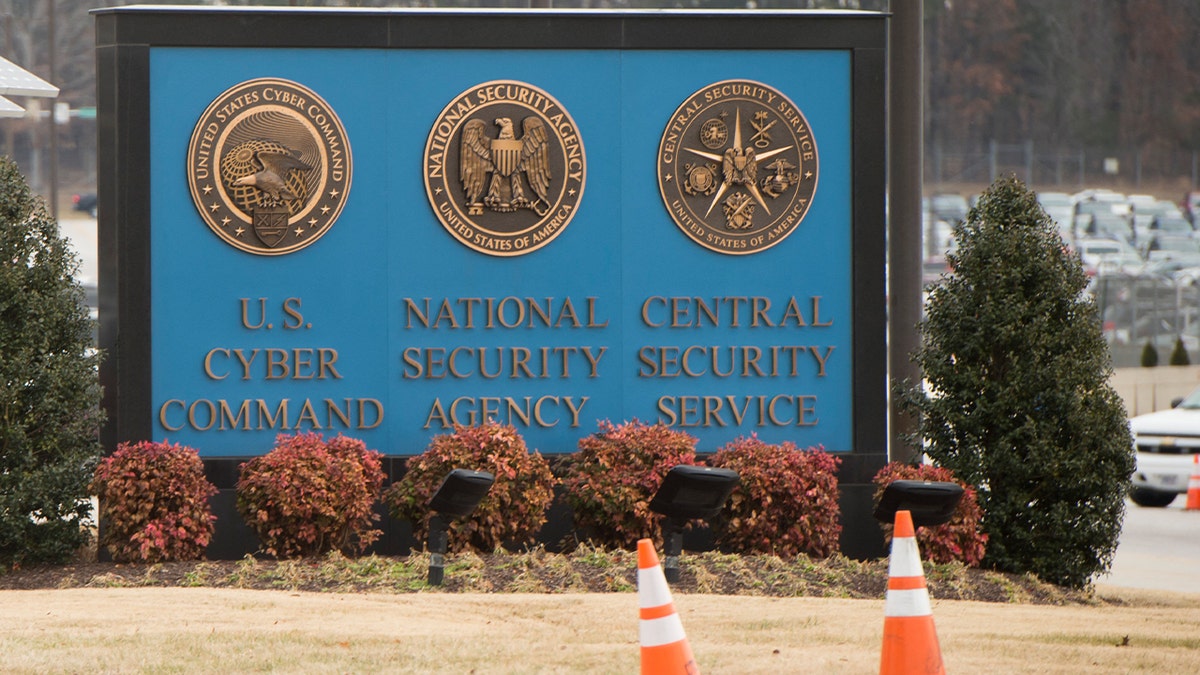
U.S. adversaries have long developed methods to disrupt critical infrastructure during conflicts. Recent technology disruptions, from banks to the National Security Agency (NSA), show how damaging these failures could be, even without cyberattacks. Despite speculation about a possible link between these incidents, officials from the Trump administration have ruled out a coordinated cyberattack.
Infrastructure Weaknesses and Security Concerns
National security experts emphasize that while outages do not prove malicious behavior, they highlight the importance of protecting crucial systems. These systems support everything from financial transactions to military operations. Tommy Waller, a national security expert, remarked on how adversaries target modern warfare infrastructures. China has even accused the NSA of cyberattacking its national time service.
Within six days, disruptions affected Microsoft 365, commercial flights, payroll systems, banking, and the NSA’s internal communications network. The incidents affected daily life significantly, such as a nationwide grounding of flights—the second since the September 11, 2001 attacks.
Clarifications by U.S. Officials
Jay Clayton, Director of National Intelligence, stated, “This is not a cyberattack, and this is not a coordinated effort by a nation-state.” Department of Homeland Security Secretary Markwayne Mullin added that technical failures might become more common with new technology.
However, the NSA’s internal network outage raised particular scrutiny. The highly classified NSA Net went down, causing disruptions in classified communications. Systems resumed operations later in the week, but the incident remained “problematic,” according to expert Steve Bucci.
Potential Threats from Foreign Adversaries
Routine maintenance caused the NSA disruptions, a U.S. official stated. However, Waller questioned whether the occurrences were merely coincidental. Daniel Hoffman, a former CIA station chief, noted that financial institutions and critical infrastructures are prime targets for foreign adversaries.
In July, hackers targeted over 30 municipal water systems in Minnesota as part of broader cyber intrusions. The Pentagon is preparing for possible infrastructure failures in conflicts, with initiatives like FORTRESS urging military bases to sustain operations independently for extended periods. Sean Parnell from the Pentagon highlighted the risks of relying on civilian infrastructure for national defense.
Ongoing Efforts and Future Precautions
Longstanding Chinese military strategies consider attacks on civilian systems during conflicts. Although Waller stopped short of blaming China, he highlighted such strategies exist. In 2024, U.S. agencies reported that Chinese hackers, known as Volt Typhoon, infiltrated American infrastructure. Bucci noted that adversaries may insert dormant threats instead of causing visible failures.
Calls for increased transparency from federal officials and companies responsible for critical systems have risen. Hoffman stressed the need for clarity in maintaining public confidence in banks. Waller advocated for transparency about vulnerabilities and actions taken to address them.