
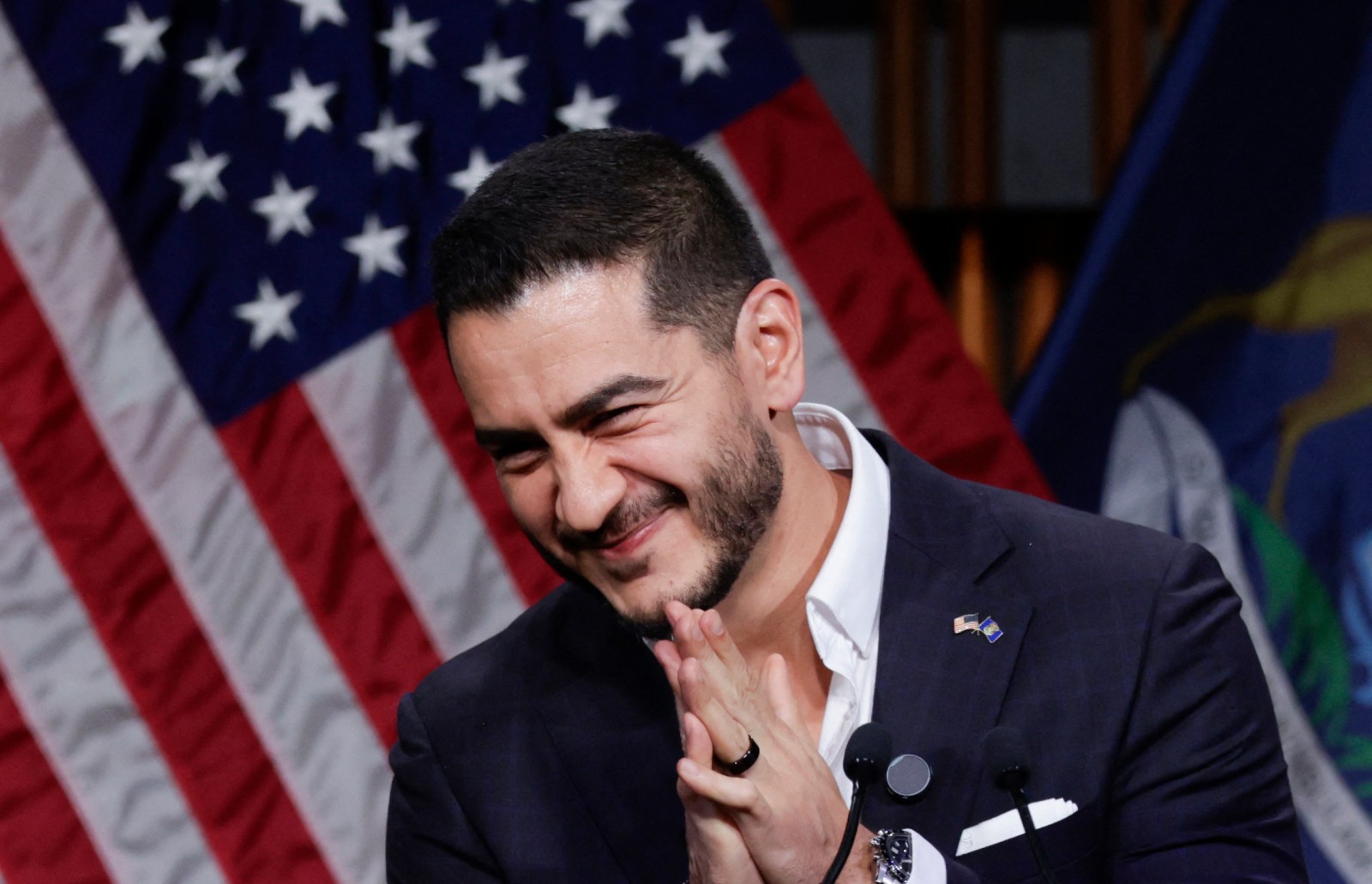
Thomas Jefferson’s Quran, acquired during his law studies in 1765, may take center stage when the newly elected United States senators are sworn in. Michigan Democrat Abdul El-Sayed is anticipated to become the first Muslim senator in U.S. history, following his victory over Republican Mike Rogers. El-Sayed informed NPR that he will likely use Jefferson’s Quran for his oath.
He mentioned another option is a Quran from the University of Michigan, known for its age and historical value. Despite which Quran he chooses, he affirmed his commitment to swear on this sacred text.
Swearing on a Quran symbolizes the freedom of religion enshrined in the Constitution,said Mohammad Hassan Khalil, the director of Michigan State University’s Muslim Studies program.
Political scientist Youssef Chouhoud acknowledged both the triumph and the enduring challenges. He emphasized that, despite anti-Muslim rhetoric, a Muslim ascending to a high office marks a significant achievement. Yet, the delayed timing highlights the barriers still present for American Muslims in various sectors.
Chouhoud noted a growing acceptance that religious identity poses less of a barrier in American politics, reflected in voter focus on El-Sayed’s platform, emphasizing economic and healthcare reforms.
The Significance of Oaths on the Quran
El-Sayed’s anticipated oath on the Quran marks a first for the Senate. However, the practice has precedent in the House of Representatives. Keith Ellison, the first Muslim member elected to Congress in 2007, took his oath using Jefferson’s Quran. Noted figures like Ilhan Omar and Rashida Tlaib have followed suit since then.
Diana Eck from Harvard University highlighted the movement toward swearing on personal and diverse religious texts, reflecting the increasing religious diversity within the U.S. Congressional landscape. For example, Adam Schiff used a Mishneh Torah, while former Representative Tulsi Gabbard chose the Bhagavad Gita.
This shift underscores the trend towards inclusivity, a change accelerated by immigration policy reforms post-1965, allowing the U.S. to grow more religiously diverse.
Challenges on the Campaign Trail
During the campaign, El-Sayed’s faith attracted scrutiny and controversial remarks, such as those from President Donald Trump, who accused him of supporting jihadists. Despite these challenges, El-Sayed remained firm in his denials of such allegations, focusing instead on his commitment to serving the U.S.
El-Sayed encountered Islamophobic rhetoric, with opponents questioning his ties to groups like the Muslim Brotherhood, which he unequivocally denied. He emphasized the importance of addressing these unfounded assumptions and continuing to promote unity amidst divisive political strategies.
Chouhoud pointed out that El-Sayed faced blatant anti-Muslim sentiment in his bid for office. Despite the reduced theological barriers, political challenges remain prominent and persistent.
Muqtedar Khan, a political science professor, highlighted El-Sayed’s election as a rejection of Islamophobic sentiments, although he noted ongoing religious discrimination issues. Khan emphasized the importance of fulfilling campaign promises to secure continued support and trust from constituents.
This victory not only signifies an achievement against religious prejudice but also reinforces the necessity for elected officials to remain focused on delivering tangible outcomes for their electorates.