
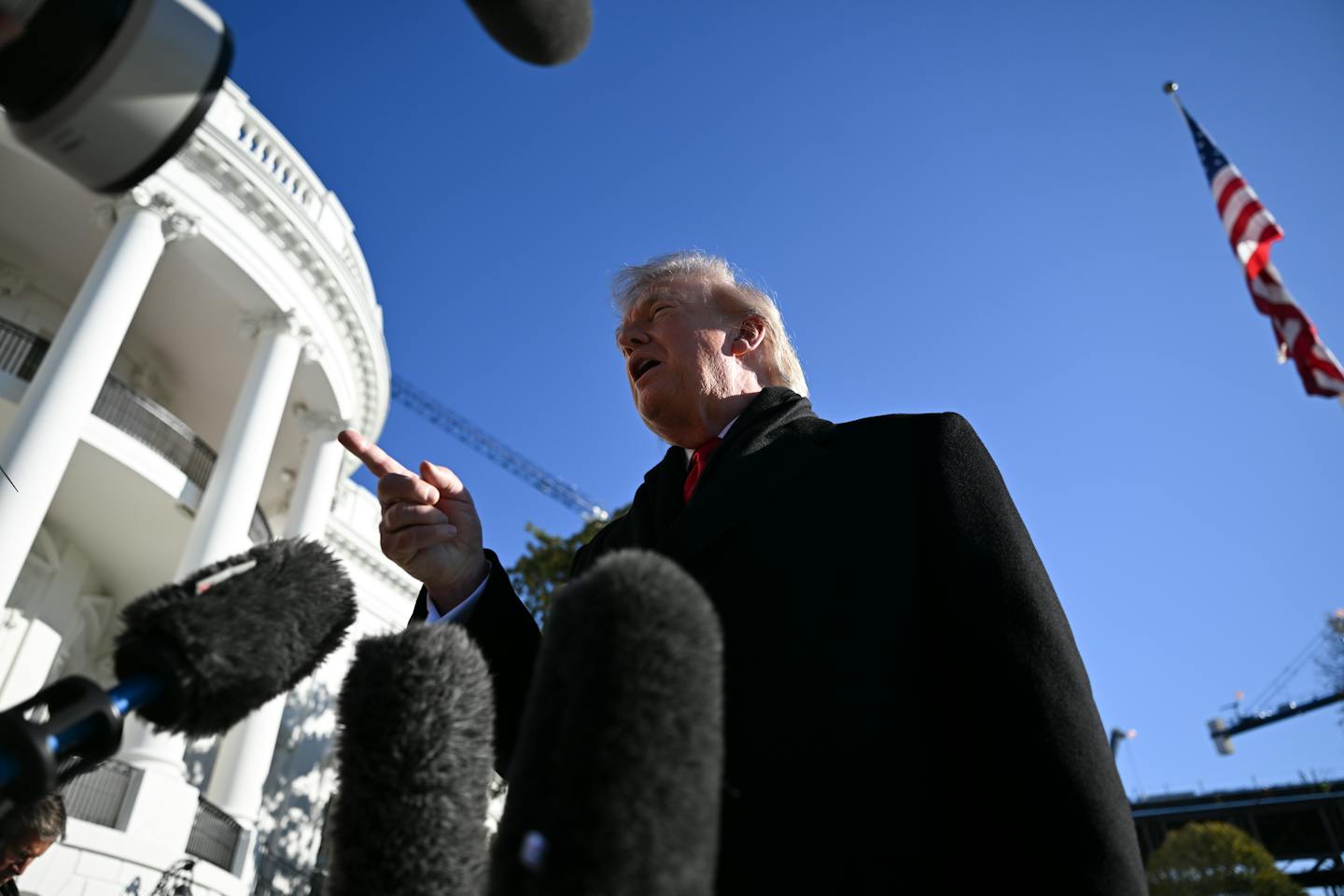
American voters made a decisive choice in the recent midterm elections, granting Democrats control of the House and Senate. This significant shift included the flipping of nine Senate seats, with Democrats making gains in traditionally Republican states like Texas, Mississippi, and South Carolina.
The shift was not simply a correction; it was a clear verdict from voters. The electorate’s priority was addressing corruption, rejecting the notion of providing President Donald Trump with an easier path during his remaining two years in office. Trump has been perceived as treating the federal government like a family business and overlooking Constitutional principles.
As the new term begins, Democrats are urged to heed the voters’ call for oversight rather than seeking bipartisan optics with the current administration. Distancing from President Trump normalizes his administration, which many believe is not a typical presidency given numerous controversies including his felony convictions and personal conduct issues.
This administration stands out as the first in U.S. history with a president convicted of felonies, including 34 counts in New York. He has also been held liable for sexual assault and linked to other controversies. Many emphasize that Democrats should not dilute oversight efforts in exchange for legislative collaboration or allow Trump to share the credit for bipartisan achievements.
Voters expect Democratic leadership to advance an agenda that addresses pressing issues like lowering costs and protecting healthcare, without compromising oversight. Legislation reflecting these priorities should be sent to the president. Whether Trump signs or vetos these bills will show the public where the impediments truly are.
Accountability remains critical, with Democratic committee leaders set to investigate areas including Trump’s business dealings and immigration enforcement. This process should be transparent and rigorous, with subpoenas enforced and findings documented for historical record. Such actions are not seen as vindictive but as fulfilling Congress’s oversight responsibilities, especially given an administration perceived as disregarding regulations.
Failing to maintain strong oversight could also politically cost the Democrats. Their support base, energized by the recent electoral victories, might not be as responsive if the party appears weak in holding the administration accountable. Leadership must bear in mind that the Democratic mandate is one of action, not accommodation.
The message is clear: voters have equipped Democrats with the tools of governance and oversight, and the expectation is they will use them diligently to maintain accountability.
Author: John Blackshaw, President of J Blackshaw Consulting and former chief of staff for U.S. Sen. Paul Wellstone.