
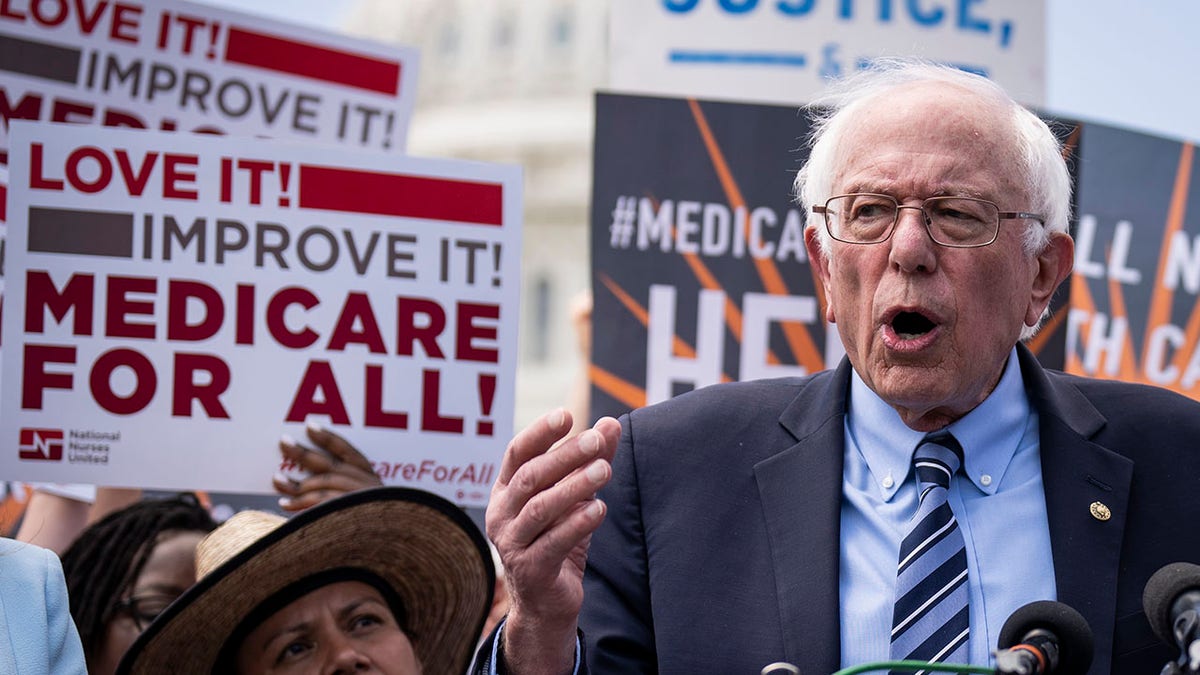
Imagine a politician offering you the greatest financial deal in American history. No more health insurance premiums. No more deductibles or copayments. Everyone receives healthcare funded by the government. It sounds appealing.
Understanding Medicare for All
Senator Bernie Sanders supports Medicare for All. However, doctors and hospitals do not work for free, and the government lacks a limitless money supply. This means the cost of free healthcare appears elsewhere, typically in your paycheck.
The $30 Trillion Question
The Congressional Budget Office estimates that single-payer healthcare might increase federal spending by $1.5 trillion to $3 trillion annually by 2030.
This could total $30 trillion over ten years. For context, the U.S. government collected about $5.4 trillion in revenue in 2026. Adding this financial burden is challenging considering the nation’s existing debt exceeding $40 trillion.
The Financing Challenge
Advocates note that Americans would no longer pay for private insurance premiums. However, your savings in premiums might turn into increased taxes. The Committee for a Responsible Federal Budget suggests that to fund $30 trillion in additional federal spending over a decade might entail measures such as a 32% payroll tax or a 25% income surtax.
These aren’t official proposals, but examples of the necessary scale of taxation. A family’s savings or additional expenses depend on its income, healthcare needs, and the policy’s financing method. Understanding these details is essential to know if Medicare for All saves money.
Supply and Demand Dilemma
If free medical services increase demand, who ensures these services are available? The U.S. already faces shortages of healthcare professionals. More appointments could mean longer waits. Lower reimbursements might also impact hospitals and physicians.
Current Insurance Plans
Nearing 2026, about half of Americans might receive employer-sponsored health coverage. Medicare for All would replace this system, leading to different coverage, network, or benefits preferences among Americans and employers.
Though more generous in covering expenses, such a system could impact the government’s finances, given the existing Medicare costs entailed in premiums, deductibles, and supplemental coverage.
The Core Economic Issues
Discussing Medicare for All raises fundamental economic issues. Providing high-quality, affordable healthcare without escalating family expenses, taxing heavily, or impacting hospitals is a complex task.
The U.S. spent about $5.3 trillion on healthcare in 2024, emphasizing the need to address administrative inefficiencies, drug prices, and care access. A single-payer system might lower costs, but these reductions and transitions have no guarantees.
The fundamental concern is whether the government can sustain and manage an expanded healthcare system without incurring new financial challenges. When politicians propose costly solutions deemed as free, it is crucial to question their financial strategy.