
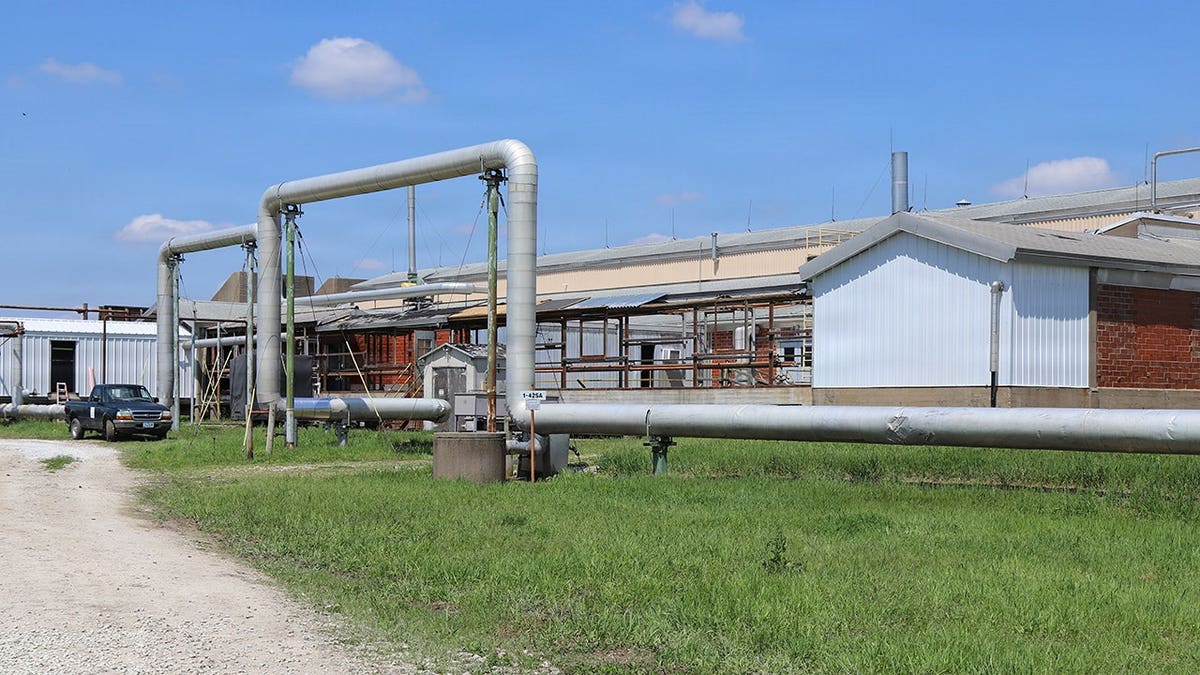
The U.S. Army has postponed a planned detonation of five tons of unstable bomb-making chemicals from Friday to Monday, November 23. This decision comes amid an expected temperature drop, environmental lawsuits, and a call for delay from Iowa Governor Kim Reynolds.
Acting Secretary of the Army, Adam Telle, instructed the Army Materiel Command to delay the operation at the Iowa Army Ammunition Plant in Middletown. The new timing is set to be the latest possible before significant weather changes.
Public safety is the Army’s top priority, and I have directed Army Materiel Command to postpone tomorrow’s controlled detonation at the Iowa Army Ammunition Plant in Middletown, Iowa, until Monday, November 23,
Telle stated.
The delay occurs after Governor Reynolds urged a postponement, citing increased public safety concerns. Environmental groups also filed lawsuits to stop the planned detonation.
About 400 residents of Middletown were initially advised to evacuate their homes on Friday due to risks of localized window damage and a potential dust plume with lead particles. The planned detonation involves 68 drums of degraded lead azide, stored for over two decades. Army officials discovered in March that the stabilizing water in the barrels had evaporated, causing the material to recrystallize and become unstable.
The Environmental Protection Agency approved an emergency permit for the detonation. It stated the recrystallized lead azide poses a risk of spontaneous explosion due to sensitivity to friction and shock.
An Army smoke model suggests the resulting plume could extend 25 miles north to Wapello, Iowa, and affect areas of eastern Iowa and northwest Illinois. It may settle on farmland and playgrounds. Children under six are especially vulnerable to lead exposure, the model notes.
As the detonation moves to Monday, November 23, 2026, the Army will continue working with the EPA and local officials to provide updated safety and evacuation guidelines.
Brittany Miller from Fox News Digital, a former Independent reporter with a degree from Syracuse University, and Greg Norman-Diamond contributed to this report.