
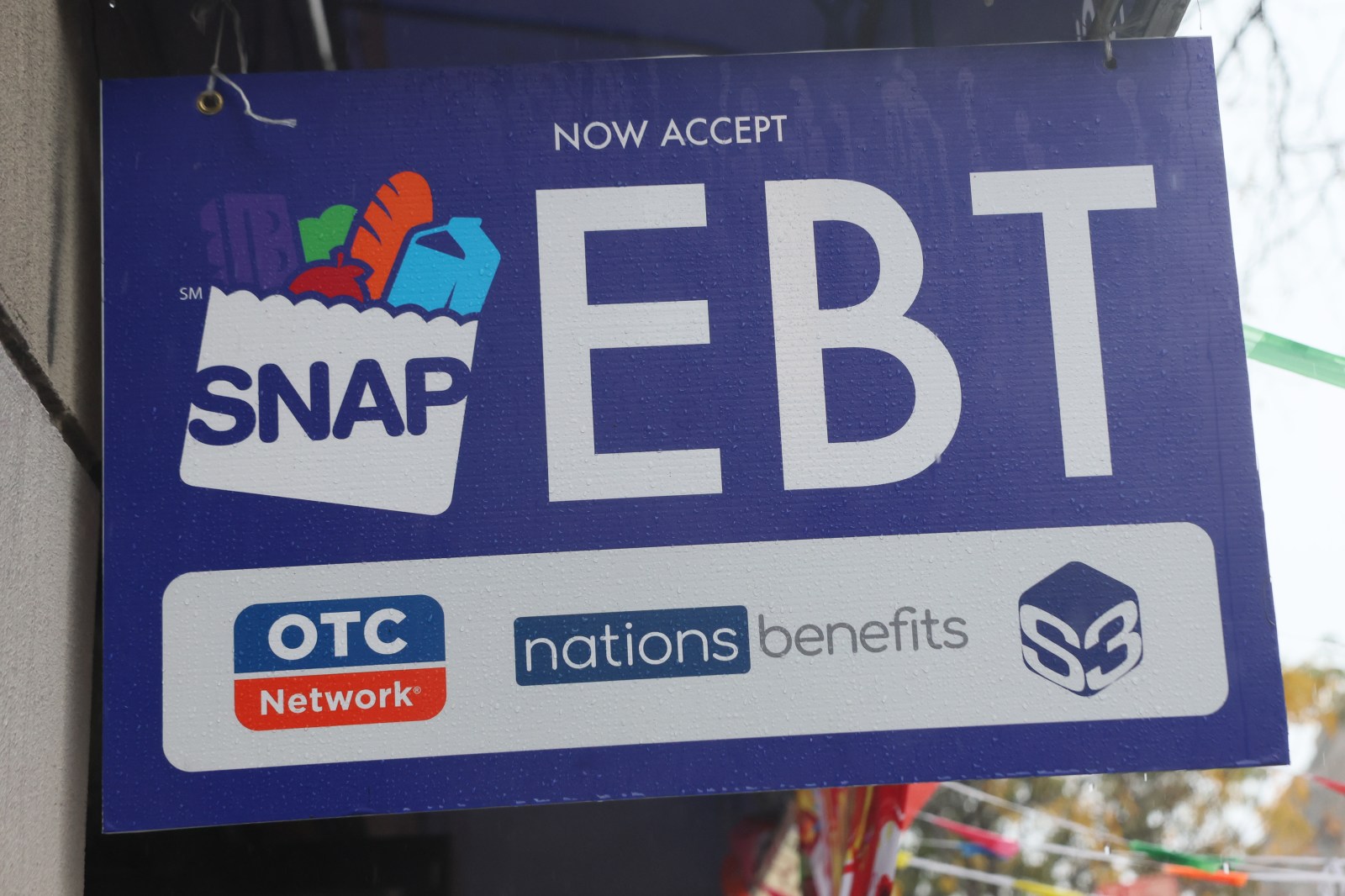
More than 6 million Texans are experiencing issues with putting food on the table, with food banks alerting communities about increased risks of food insecurity. This comes in the wake of a sharp drop in enrollment for the Supplemental Nutrition Assistance Program (SNAP). Current estimates reveal that Texas leads the nation in food insecurity, with 6,062,890 residents affected, accounting for 19.4% of the state’s population, based on data from Feeding Texas and Feeding America’s Map the Meal Gap study. This includes nearly 2 million children, as participation in SNAP has hit a 17-year low.
SNAP Enrollment Decline
In September, SNAP enrollment in Texas reached only 2.8 million, a decrease of 738,000 from the previous year, marking a 20.8% decline, the steepest in twenty years. This reduction has led to unprecedented demand on food banks. Although Texas food banks distribute over 700 million pounds of food annually through more than 4,000 community partners, SNAP services nine meals for every one meal provided by the food bank system. “SNAP is close to 10 times the size of what food banks can do, so it is not a gap we are prepared to make up for,” stated Celia Cole, CEO of Feeding Texas, during an interview with ABC13 Houston.
Impact on Food Insecurity
The 2026 Map the Meal Gap study, using 2024 data, found an increase in Texas’ food insecurity rate from 17.6% to 19.4%. The number of food-insecure Texans rose from around 5.4 million to over 6 million. Children are particularly affected, with an estimated 1,995,810, or 26.1%, experiencing food insecurity. About one in seven seniors are food insecure. Alex Beene, a financial literacy instructor at the University of Tennessee at Martin, noted the troublesome combination of rising grocery prices and changes in SNAP, which now requires more adults to meet work requirements.
The changes include work-related requirements for certain adults to remain eligible for SNAP after three months within a three-year period. This is part of the One Big Beautiful Bill Act, signed into law on July 4, 2025. The act increased age limits for work requirements and limited parental exemptions to those with children under the age of 14. As a result, veterans, homeless individuals, and former foster youth lost previous automatic exemptions.
Processing and Eligibility Concerns
Texas has faced delays in processing SNAP applications. In September, only 64% of applications were processed within the 30-day required time, compared to 91% a year earlier. Federal requirements demand a 95% processing rate. Eligibility for SNAP is based on household income, size, and expenses. Work requirements generally apply to adults aged 16 to 59, although exemptions exist under certain conditions.
Future Outlook
Food for Families is organizing its 37th annual food drive in Central Texas, yet food banks may struggle to cover the gap left by SNAP reductions. Some hope exists with potential changes in leadership. Kevin Thompson, CEO of 9i Capital Group, expressed optimism that Democratic leadership might reverse some SNAP cuts. “As Democrats come into power, I expect much of this to be reversed, favoring expansion over contraction,” he said. He emphasizes the interconnectedness of these programs in both feeding Americans and supporting agriculture and related industries.