
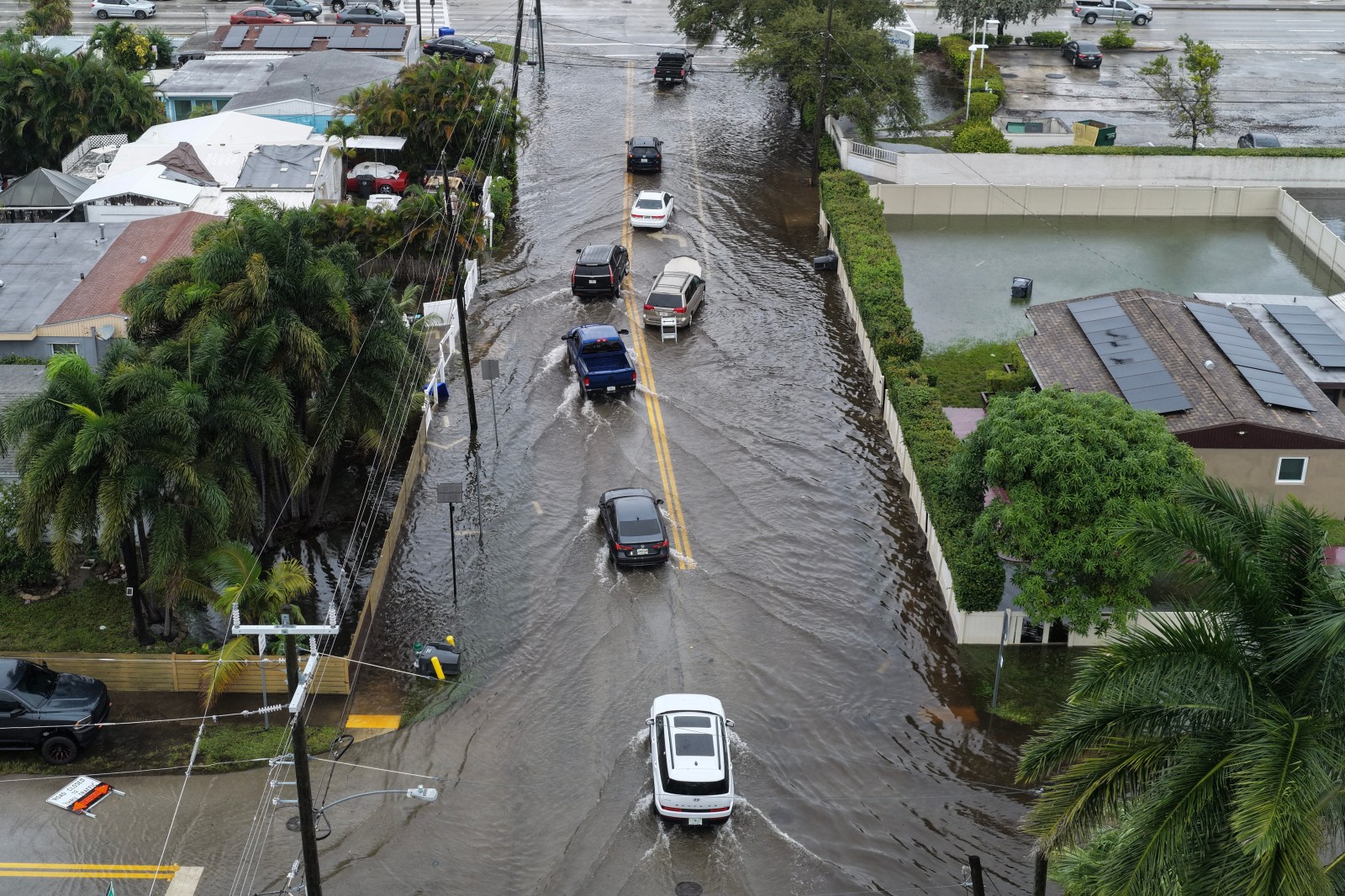
At least nine states in the U.S. are facing extreme weather due to the strengthening super El Niño in the Pacific. Meteorologists warn that conditions might escalate as winter nears. Florida has recently dealt with heavy rain, while the Pacific Northwest experienced several atmospheric river events. Another storm is expected this weekend.
The National Weather Service’s Climate Prediction Center updated on the El Niño pattern, suggesting it will continue intensifying, staying strong-to-very-strong through March next year. According to Paul Pastelok, AccuWeather’s lead U.S. long-range forecaster, the impacts of El Niño can persist even after the peak. “There’s a lag. It takes time for the atmosphere to unwind. We could be in for a rough period here for a while,” he said.
Understanding Super El Niño
El Niño is a climate pattern in the tropical Pacific, marked by unusually warm waters affecting global weather. Many meteorologists and agencies refer to the current event as a super El Niño. NOAA describes it as “very strong.” This means waters exceed average temperatures by 2 degrees Celsius or more. The current El Niño surpasses 4 degrees Celsius above average.
El Niño’s impacts have already hit the U.S. Recently, southeast Florida saw heavy rain, with over 20% of Broward County’s annual rainfall occurring in one day. Meteorologist Ben Noll commented on ongoing extreme rainfall threats tied to El Niño, exacerbated by record warmth in parts of the Gulf and Atlantic.
In the Pacific Northwest, several atmospheric rivers have led to significant rainfall, wind, and coastal flooding in western Oregon, western Washington, and northern California. Mountains in these areas have also faced severe weather.
Further south, southern California and the U.S. Southwest experienced weather changes this summer. An active Eastern Pacific hurricane season, influenced by El Niño, impacted Arizona and southern Nevada with tropical moisture. Pastelok noted, “More is to come.”
Scott Lawrimore, a meteorologist with The Weather Channel, mentioned a “rinse and repeat” pattern affecting the West Coast, Gulf Coast, and Florida this winter. The Northeast also faced early impacts, with a nor’easter causing flooding, power outages, and disruptions in September.
In the East, states like Virginia, North Carolina, and Massachusetts experienced significant impacts. Mississippi, Louisiana, Arkansas, and Tennessee have seen fewer El Niño-related disruptions, though they remain vulnerable.
Effects of Super El Niño on the U.S.
The impact intensifies with warmer waters. In the U.S., El Niño causes cooler, wetter conditions in the South, with warmer, drier weather in the North during fall and winter. It influences storm tracks, precipitation type, and extreme cold spells.
Lawrimore and Pastelok noted the El Niño-related weather impacts align with meteorological predictions, as the U.S. begins to experience the pattern’s full force.
Future Implications
The West Coast, Gulf Coast, and Southeast might continue experiencing effects throughout winter. Pastelok suggested storms could also impact the central U.S., especially in the High Plains regions like Omaha, Nebraska, and Kansas City, Kansas. People should monitor forecasts and prepare as storms emerge.