
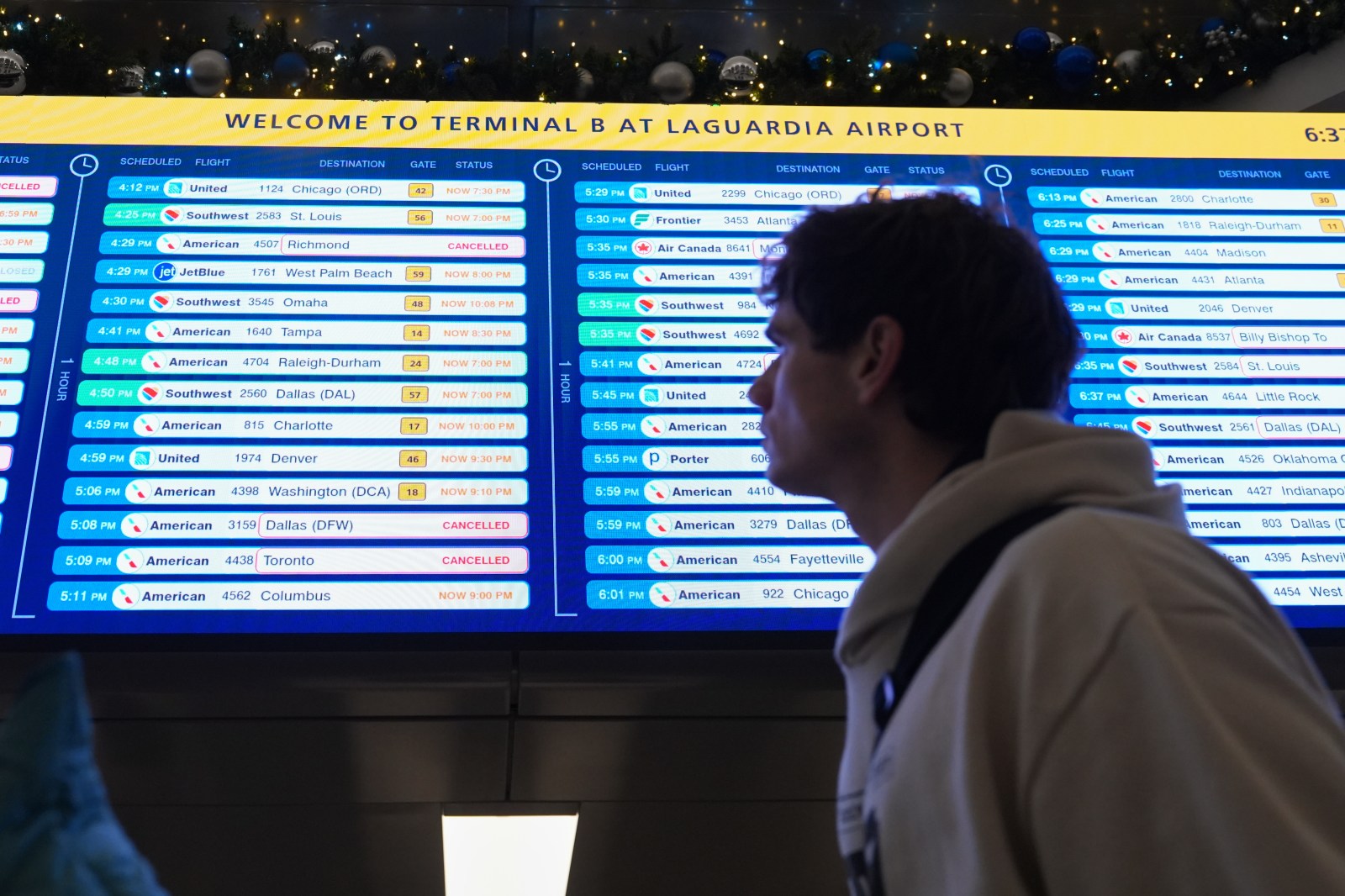
Recent disruptions in major U.S. services serve as a warning of potential future vulnerabilities if not addressed. Brett Goldstein, a professor at Vanderbilt University specializing in cybersecurity and artificial intelligence and a former Pentagon official, described these events as a ‘gentle’ warning in an op-ed for The Washington Post. He noted that while each failure was accidental and systems were restored, there is a risk that one day they might not recover.
Federal officials have indicated that the recent disruptions seem unrelated to cyberattacks. Homeland Security Secretary Markwayne Mullin and Director of National Intelligence Jay Clayton testified at Congress about these incidents. Clayton clarified that these were isolated service outages linked to maintenance and technical changes, not coordinated attacks.
The disruptions began with a Microsoft outage that affected global services for 24 hours. Following this, the Federal Aviation Administration (FAA) issued a national ground stop due to communication issues, halting flights for over four hours. Mullin praised the response, highlighting the safe landing of over 4,000 planes without incidents. United Airlines later experienced technical problems affecting flights, and Chase Bank customers faced issues accessing services. The National Security Agency also encountered an internal communications network outage, and users reported problems with Gmail, Apple Pay, and Marriott services.
Each incident illustrates how a small component failure can disrupt a large system. This remains a critical concern, as accidents by contractors might be replicated intentionally by adversaries.
Cybersecurity expert Sean Connery echoed Goldstein’s warning but focused on the resilience of systems. He noted that simple failures, such as a faulty router or overloaded system, can cause significant disruption without a sophisticated cyberattack. Connery, chief security officer of Orbis Solutions, emphasized the importance of foundational safeguards and noted the risks in dependency on common technological infrastructures.
Goldstein suggested that federal efforts should involve national laboratories and leading AI companies in identifying and repairing infrastructure weaknesses. Connery agreed that AI can aid in anomaly detection but should not replace essential security measures. The risks are higher when organizations rely on the same technological providers, increasing the impact of any single failure.