
On Thursday, a Microsoft outage disrupted workplace services including Outlook, Teams, and Copilot. One day later, the Federal Aviation Administration issued a ground stop that halted departures nationwide, impacting travel plans for over 1.5 million passengers. Additional outages occurred throughout the week, affecting banking websites, financial giants like Wells Fargo and Capital One, and companies such as United Airlines and Apple. The National Security Agency also experienced disruptions.
There is no evidence connecting these system disruptions across banking, airlines, tech giants, and government sectors. However, the events emphasize the importance of the reliability and resilience of IT systems. They also highlight the need for effective communication during outages to employees, customers, executives, and boards. Organizations have already begun evaluating their responses through post-mortem reports to improve future business continuity plans.
Jordan Ruch, Chief Information and Digital Officer at AtlantiCare, emphasizes that resilience comes from thorough planning and preparation. He outlines the need for different tiers of system criticality, with essential systems having multiple redundancies. Microsoft’s tools, though not deemed critical for AtlantiCare, have prompted internal discussions on building more redundancy due to their increasing use.
Marsha Stein, CIO at Ropes & Gray, highlights the importance of communication systems. The law firm utilized an emergency notification system and a secondary email system when Microsoft services went down. Stein speaks of ongoing dialogues to evaluate and improve responses for future outages, stressing the need to anticipate which systems could be next affected.
Shreyas Mysore, CIO at Lockton, points out that Microsoft could have provided faster communication about the global impact of their outage. Effective communication is crucial, and Mysore explains the insurance brokerage’s focus on keeping clients informed and sharing information internally with leadership.
Heath Renfrow, Chief Information Security Officer at Fenix24, stresses the importance of alternative communication channels, like Signal and WhatsApp, already in place before outages occur. The Microsoft outage has led companies to consider investing in redundant communication systems such as Google for key executives.
James Kretchmar, CTO at Akamai’s cloud technology group, notes the critical need for clear communication during outages. Communication ensures users can adapt to service interruptions effectively without causing further confusion.
Chuck Kesler, CISO at Pendo, warns against both under-communicating and overpromising. Transparency in expectations can prevent trust erosion among stakeholders. Balancing timely updates with realistic timelines is critical.
On the FAA incident, conflicting information arose about causes leading to the ground stop. The FAA has not identified a root cause but has paused deploying new routers from Juniper Networks.
Aside from outages, Nvidia reported strong quarterly results and raised sales forecasts despite CEO transitions. Concerns about AI advancements and its impact on global economic growth are high, with restrictions emerging on technology access, especially related to China.
Anthropic’s anticipated IPO highlights risks in AI technology, including infrastructure investments and ethical considerations.
California has sued OpenAI over allegations of developing and testing AI models without proper safeguards, citing incidents like the Hugging Face breach.
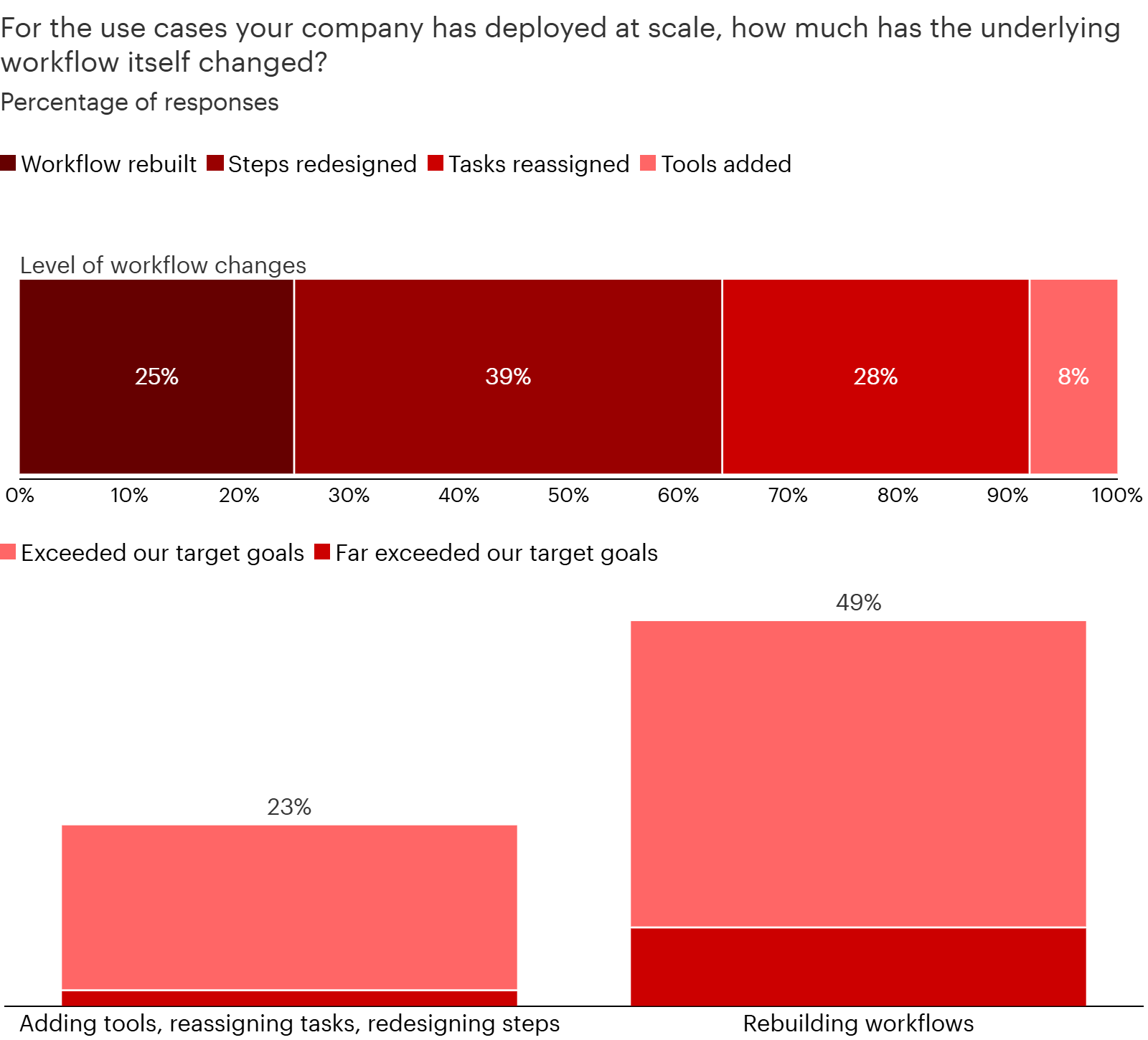
A Bain & Company survey reports that companies increasing workflow rebuilds see more AI benefits. Workflows require a broad overhaul for optimum AI integration. Interestingly, AI’s impact on jobs appears less severe, with some companies expecting to increase headcount due to AI.
Finally, several companies are hiring for senior IT positions, reflecting ongoing demands for technical expertise in various industries.