
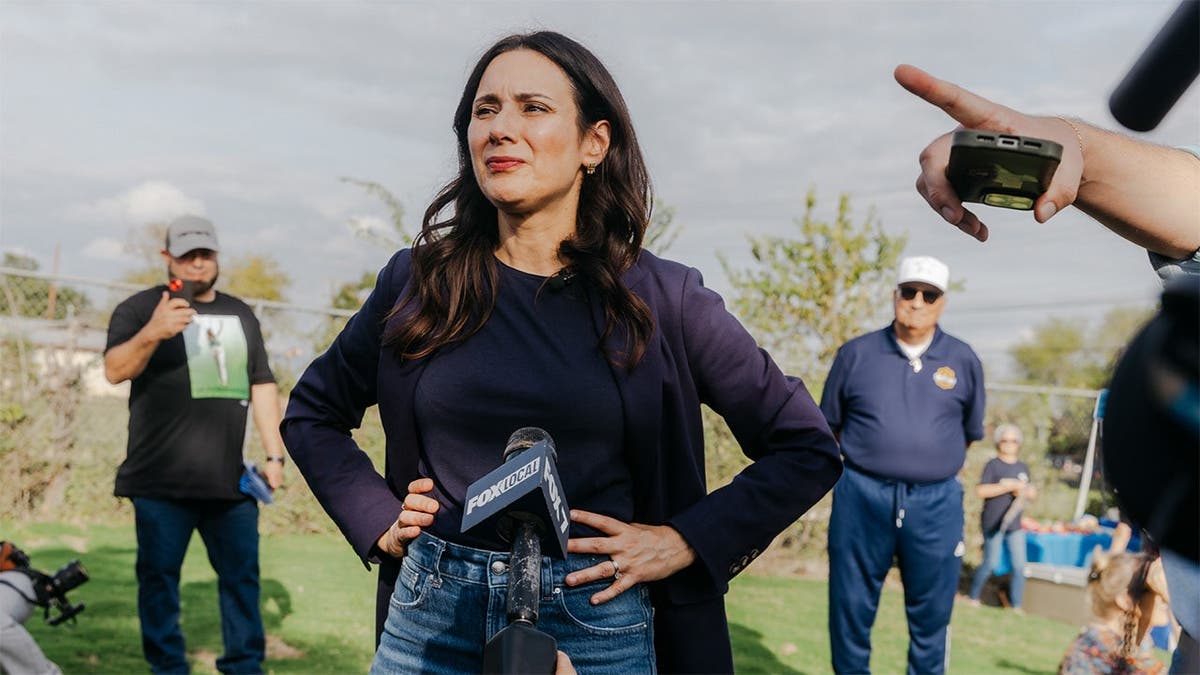
Texas Governor-elect Gina Hinojosa plans to implement an emergency utility rate freeze as her first policy move. This has ignited discussion in the historically conservative state. Some experts express concern that the policy might not effectively address the affordability crisis.
As more Democratic-led states explore similar ideas, Hinojosa announces her intention to freeze residential electricity rates immediately upon taking office. Critics argue this conflicts with Texas’ competitive energy sector, potentially leading to energy shortages.
“It’s a campaign promise,” commented Sam Romain, chairman of Americans for Energy Dominance. “But you can’t just freeze rates easily.”
Romain expects Democrats nationwide to face challenges in increasing energy production while experimenting with energy price controls. He views price controls as temporary fixes that might not resolve supply issues.
Some Democratic strategies involve freezing or subsidizing energy prices. For instance, Virginia Governor Abigail Spanberger advocates for a six-year rate freeze while negotiating energy supplier changes. New Jersey Governor Mikie Sherrill initially proposed capping rates but shifted to offering bill credits via executive order.
California’s Governor-elect Xavier Becerra plans a utility rate freeze as a priority, while Wisconsin’s Governor-elect David Crowley proposes capping household energy bills as part of a “fair deal” plan.
Romain believes these measures might harm energy production efforts. “A freeze doesn’t build supply. In fact, it may deter developers,” he explained, suggesting such policies could discourage investment by creating uncertainty over profit returns.
Legal challenges could also arise with these plans. In Texas, questions surround Hinojosa’s use of emergency powers under the Texas Disaster Act. Nick Loris, president of C3 Solutions, expressed skepticism about the legitimacy of declaring an energy-related disaster.
Romain suggests Democrats in other states could face similar legal obstacles. Despite this, he sees potential for bipartisan efforts on energy affordability strategies. He emphasizes the importance of allowing American companies to innovate and compete in the energy sector.
“Permitting reform might become a field for collaboration, paving the way for reduced regulation in energy production,” Romain predicted. He is optimistic about these changes leading to significant permit reforms soon.