
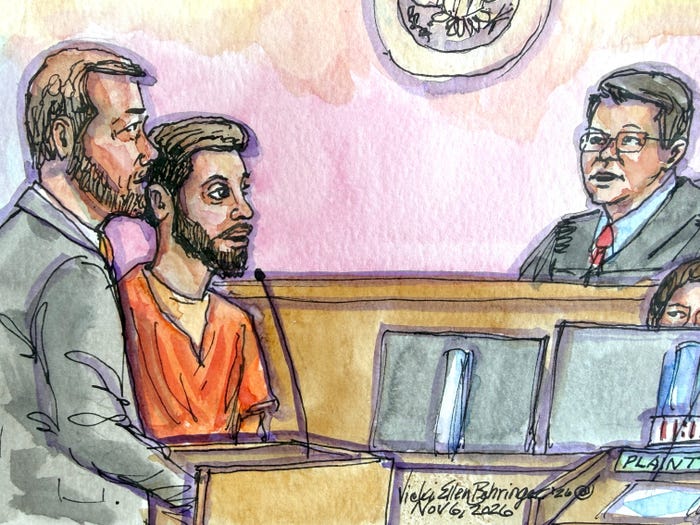
A recent court filing reveals that the Justice Department has not uncovered evidence to support espionage charges in the case of Abdulrahman Alfozan, a Saudi national and former OpenAI engineer. Alfozan stands accused of planting a listening device in OpenAI’s San Francisco office.
Alfozan’s lawyer, David Rizk, argues that if substantial evidence existed, the government would have pursued more severe charges when Alfozan was initially indicted. Instead, he faces charges under the Wiretap Act, stemming from allegations of intercepting oral communications.
Federal prosecutors arrested Alfozan in October, asserting that he concealed a USB device in a conference room TV. Accusations include a photo showing Alfozan inspecting the device a week after it was detected by another employee.
Rizk contends that discussions with prosecutors have yielded no new evidence justifying additional charges. He urges US District Judge Vince Chhabria to compel the Justice Department to disclose further information, potentially aiding a motion for Alfozan’s release.
Efforts to secure Alfozan’s release face hurdles. A federal judge deemed him a flight risk, influenced by the Saudi government’s offer to cover his bond, and his family’s recent departure to Saudi Arabia.
Photos from the criminal complaint depict the USB device disguised in toilet paper, raising suspicions of espionage or trade secret theft. Yet Rizk maintains that the prosecution has not probed any potential links between Alfozan and Saudi authorities.
Further complicating the case, Alfozan’s cellphone, seized during the investigation, was recently inaccessible due to a power failure. Nevertheless, Alfozan volunteered to unlock it for analysis.
Rizk also requests the court to revise restrictions on Alfozan’s AI use while he prepares his defense. He emphasizes that the U.S. Attorney’s Office should not interfere with defense discovery procedures.