
After the midterm elections, President Donald Trump indicated in a ’60 Minutes’ interview that he might consider negotiating with Democrats to permit some illegal immigrants to gain legal status. Fox News Digital consulted several immigration experts to assess the potential impacts of such an agreement.
Trump’s interview followed significant Republican losses in the elections, prompting questions about his willingness to compromise on immigration. Though he later confirmed that amnesty is not on the table, stating, ‘There won’t be amnesty,’ questions remain about the implications of granting legal status to some illegal immigrants.
Trump’s Executive Orders
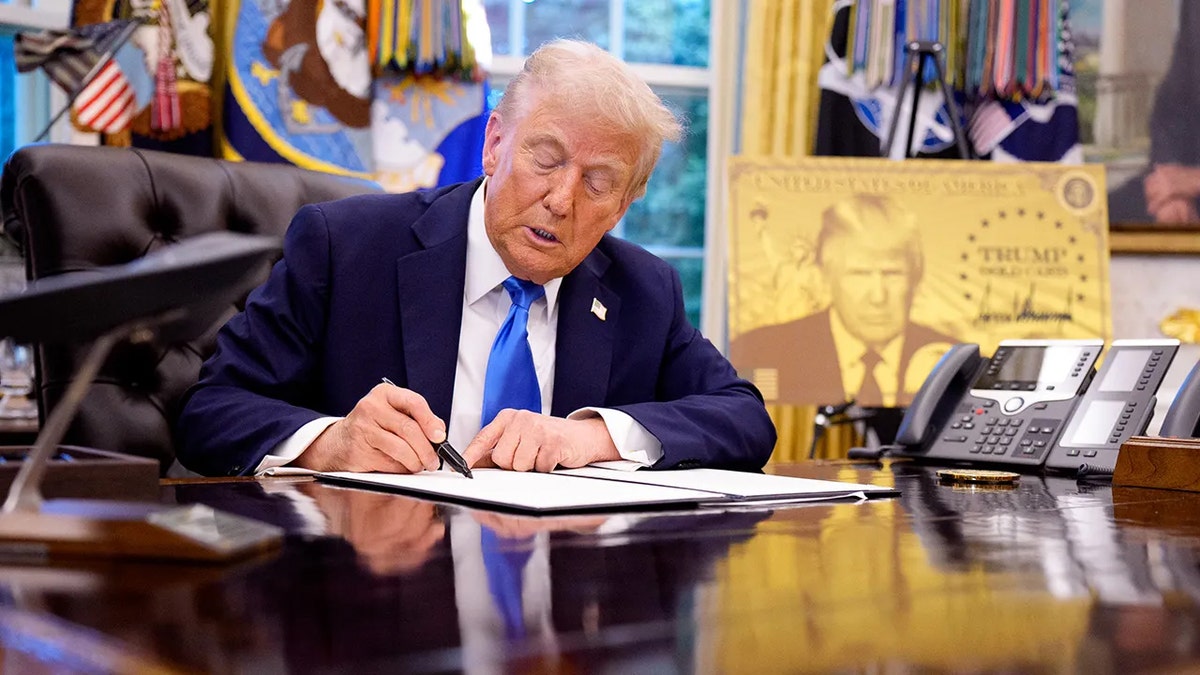
On September 19, 2025, President Trump signed two executive orders. These orders introduced the ‘Trump Gold Card,’ a visa that offers permanent residency and a path to citizenship for a $1 million investment. Another element included a $100,000 fee for H-1B visas. Fox News Digital explored with experts the consequences of a potential immigration agreement.
Rule of Law
I think one of the first things we have to always consider is the impact on the rule of law and does it undermine it. It’s very hard to argue that the best way to restore the rule of law and deal with illegal immigration is to reward some large fraction of people who’ve broken the law,
Steven Camarota, from the Center for Immigration Studies, expressed concerns about amnesty. Rewarding individuals for breaking immigration laws seems unfair to those who legally immigrated, he noted. Laura Collins from the George W. Bush Presidential Center recognized these issues but noted flaws in current immigration laws. She argued that the economy attracts workers, yet immigration rules constrain labor flow.
Collins explained that a middle path includes options for restitution, such as paying back taxes and fees. However, Camarota questioned the effectiveness of these measures in future amnesty contexts.
Assimilation
Camarota highlighted the importance of controlling immigration numbers to prevent overwhelming the assimilation process. Allowing large numbers without restrictions could hinder integration efforts.
In contrast, Collins cited research from the book Streets of Gold: America’s Untold Story of Immigrant Success, arguing that current immigrant assimilation rates are comparable to past generations. She suggested that allowing illegal immigrants to work legally would facilitate their integration.
Fiscal Policy
Camarota estimated that illegal immigrant households receive about $50 billion in government aid annually, primarily programs their U.S.-born children qualify for. He noted legal status would not change the educational deficit among many immigrants, affecting tax contributions versus services consumed.
However, Collins referred to a Congressional Budget Office analysis predicting an immigration bill could increase revenue and reduce federal deficits by $158 billion over 10 years. Legal work opportunities would enable immigrants to improve and attain higher-paying positions, she said.
Potential Amnesty Deal
Mark Krikorian of CIS doubted an amnesty deal’s feasibility, citing Republican concerns over insufficient leverage. As an example, Homeland Security Secretary Markwayne Mullin’s idea of using DACA recipients as a bargaining chip was explored. Krikorian highlighted potential long-term impacts, such as DACA recipients gaining the ability to sponsor relatives.
Trump mentioned keeping certain immigrants in hospitality and landscaping jobs. Some Republicans still steadfastly demand deportation, even for employed illegal immigrants. The White House maintains Trump’s rigid immigration stance, emphasizing a secure border and requiring Democrat cooperation to enforce it.