
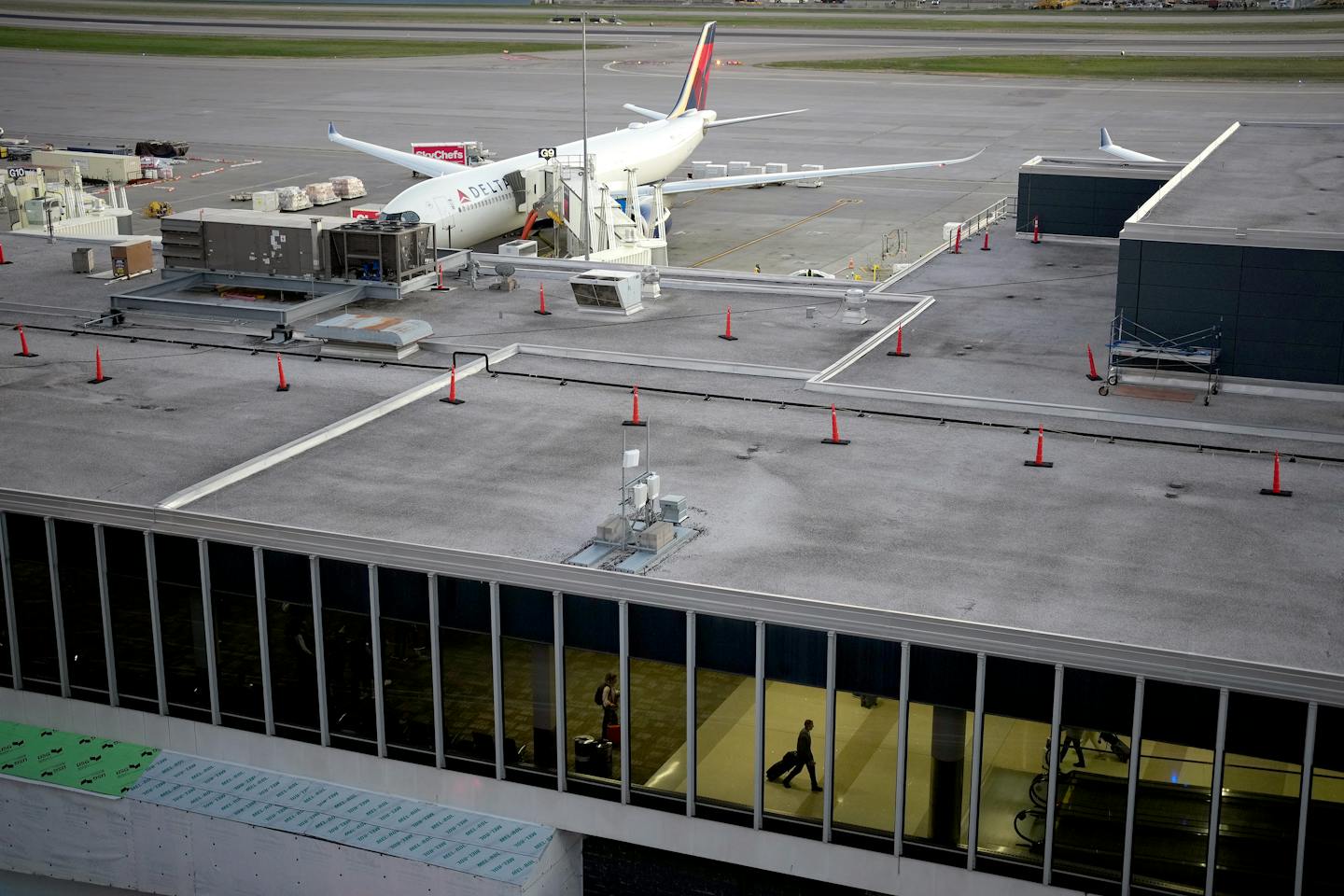
Travelers might still encounter flight delays and cancellations across the nation as the air system strives to recover. On November 13, 2026, the Federal Aviation Administration (FAA) mandated a grounding of all flights, including those at Minneapolis-St. Paul International Airport (MSP) and other U.S. airports, after a significant technical mishap.
By Monday morning, flights at MSP were mostly on schedule. However, limited disruptions persisted. According to Flightaware.com, just one outbound and one inbound flight were canceled, while 10 outbound and 12 inbound flights experienced delays. These figures showed a significant improvement from the previous Friday, when the FAA’s widespread stop disrupted operations nationwide.
The root of the problem traced back to about 2:30 p.m. on Friday. Data surged through FAA systems, making 1,000 connection attempts every few seconds, according to the FAA’s Sunday update. The excessive data overwhelmed switches and routers, destabilizing aircraft communications and radar systems. Consequently, the FAA halted all flights as a precaution, noted U.S. Transportation Secretary Sean Duffy.
Technical Origins
The contractor L3Harris, overseeing FAA’s network services at that time, was working on upgrading radar and radio communication sites in Texas and Arkansas. The switch from old copper lines to fiber-optic cables disrupted system stability. Blocking these locations restored order, allowing flights to resume by 7:15 p.m. Central Time.
Impact on Flights
At the time of the grounding, approximately 3,500 planes were already airborne, all of which landed without incident, reported the FAA. The groundstop caused nearly 9,200 flight cancellations in the U.S. on Friday, as documented by FlightAware. MSP alone saw 272 cancellations. Saturday observed about 6,700 cancellations with MSP contributing 235, while numbers on Sunday decreased to 2,336 overall and 81 at MSP.
Advice for Travelers
Travelers should stay in touch with their airlines before departure, watch for updates on their flight status, and confirm departures. These measures remain vital as some delays and cancellations could linger.