
Over the coming weeks, we provide a detailed look into the ongoing American opioid crisis that has already resulted in nearly a million deaths. Our focus begins with kratom, a substance often as easy to purchase as everyday items like snack foods. It has grown into a billion-dollar industry, readily available online and in numerous retail locations across the nation.
Kratom is marketed as a mild stimulant and a potential aid for opioid addiction recovery, supported by high-profile advocates. Yet, there’s a growing concern over its potential for addiction and fatal risks. Despite these issues, kratom remains legal in most states.
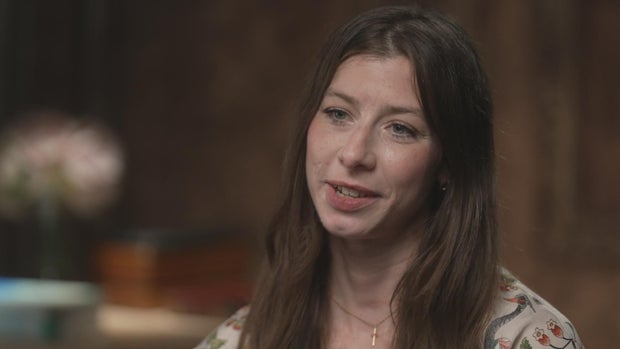
Melanie Clark, an opera singer from Michigan, experienced postpartum depression and fatigue. In 2022, Instagram ads for Feel Free Classic Tonic—a kratom-based energy drink—caught her attention with slogans encouraging her to ‘Feel Free to be SuperMom.’
How are you hoping it would make you feel?Melanie wanted focus and energy. Initially, kratom exceeded her expectations, making her feel invincible.
The active component in Feel Free is kratom, derived from a Southeast Asian tree. Historically, kratom leaves have been used in tea for their stimulating effects.
Clark accessed kratom at local gas stations and markets. As usage increased, she recognized its addictive hold within three weeks.
Priced around $10 per bottle, Feel Free is one among many kratom products, spanning leaf powders, capsules, and gummies available nationwide.
Dr. Andrew Kolodny, from Brandeis University’s Opioid Policy Research Collaborative, equates kratom’s effects with those of opioids like oxycodone and heroin. He observed a rising number of opioid addiction cases originating with kratom use.
The core compound in kratom, mitragynine, targets brain opioid receptors. The body also converts it into 7-OH, which intensifies the opioid effect.
The perception of kratom as a harmless supplement is bolstered by advocacy from the American Kratom Association. Benefits are touted, leading some users—many with fatal outcomes—to believe in its safety.
Natural kratom is a safe food used by many as an herbal supplement.
Parents of deceased kratom users, like Susan Eppard, express sorrow and disbelief. Kratom’s marketing often compared it to coffee, misleading users about its potential effects.
Deaths involving kratom are often a combination of mitragynine and other medications, yet some fatalities list mitragynine as the sole cause. Matthew, only 22, collapsed suddenly while with friends.
They tried resuscitating him for a long time. I sat outside screaming for God to keep my baby here. And then I saw him cold and gray.— Susan Eppard
Mac Haddow of the American Kratom Association insists kratom is misunderstood. Convicted in the 1980s for ethical violations, Haddow argues there’s no evidence that kratom alone can cause death.
There is no known dose of mitragynine or kratom that would cause a death.
Toxicologist Justin Brower disputes Haddow’s dismissal, highlighting numerous kratom-related fatalities. His work at NMS Labs confirms kratom’s risks, despite its reported benefits for withdrawal and pain relief.
CDC data from 2020 onward reveals over 5,000 overdose deaths involving kratom. Brower notes a tenfold increase in kratom-related deaths over the past decade.
While recognized as risky by the FDA—due to liver toxicity, seizures, and addiction potential—kratom imports continue, labeled deceptively. Despite attempts to curb imports from Indonesia, the substance remains widely sold.
Manufacturers now offer synthetic 7-OH, termed ‘gas station heroin,’ more potent than morphine. This shift to synthetic formulations reflects users’ search for stronger effects as tolerance builds.
They are trying to chase this high but shift to more potent drugs when they can’t achieve it with mitragynine alone.— Alex Krotulski
Melanie Clark transitioned dangerously from a kratom drink to synthetic 7-OH, which led to hospitalization and withdrawal symptoms.
Legal actions are in motion. In July, the federal government classified 7-OH as a ‘dangerous opioid’ and proposed restrictions. Later, however, HHS increased allowable 7-OH levels, baffling health officials.
Calley Means, former HHS advisor, alleges this policy change came under immense lobbying pressure.
The lobbying was unrelenting… huge efforts pushed from the administration to relax standards.— Calley Means
American Kratom Association’s financial influence is substantial, with millions allocated to lobbying and political contributions, clouding regulatory judgment.
Efforts by businesses, including Botanic Tonics—a company invested in by political figures—further complicate the picture, raising questions about policy motivations.
Experts like Dr. Kolodny warn against kratom as a recovery tool for opioid use disorder, citing insufficient evidence and considerable risks.
Despite known dangers, kratom products, including Feel Free, remain available. Susan Eppard’s personal mission is to inform sellers about kratom’s lethality.
Melanie Clark, now in recovery, reflects on her experience.
It’s a drug, a dangerous one. Buying bottled euphoria at a gas station should not be possible.