
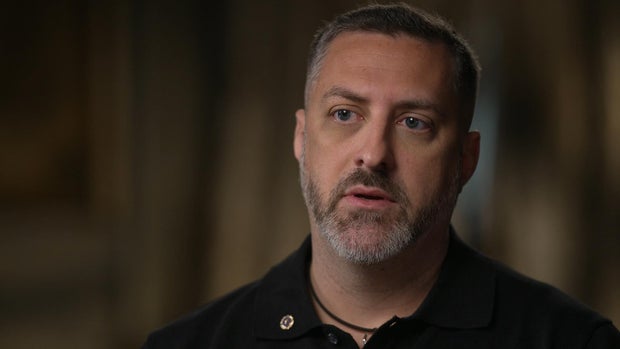
The Iran war has had significant financial and human costs. The Pentagon reported expenses at $47 billion. Yet, the toll on American service members is more profound, with over 800 wounded and 23 families grieving lost lives. A recent 60 Minutes investigation unveils the extent of the devastation to U.S. positions in the Middle East, featuring insights from Gold Star families whose loved ones perished in Iran’s deadliest strike against American forces.
The Human Impact
Joey Amor lost his wife, Master Sgt. Nicole Amor, within the war’s initial 24 hours due to an Iranian drone strike on an army command post in Kuwait. Joey Amor shared his thoughts about his wife and her dedication, expressing his disappointment with command decisions that he believes resulted in her death.
The Pentagon had repositioned 90% of ground forces out of Kuwait before the Iran war, aiming to reduce threats from retaliatory strikes. However, the 103rd Sustainment Command, responsible for logistics, was placed in danger near Iran. Concerns about these choices are central to ongoing investigations.
Concerns About Safety
Before the attack, Major Stephen Ramsbottom and other soldiers raised alarms over inadequate protection at Port Shuaiba. Despite these warnings, leadership underplayed the risk, leaving units vulnerable to aerial assaults. The lack of proper defensive measures led to significant criticism and calls for accountability within military ranks.
Tanner Carson, a civilian medic, voiced apprehensions over limited medical resources amid increased personnel deployment at Port Shuaiba. His worries about emergency preparedness underscored operational mismanagement.
The Aftermath of the Attack
When Iranian drones struck, the soldiers at Port Shuaiba, including Major Ramsbottom, encountered severe chaos and injury. The drone accurately hit their command post, resulting in devastation documented in firsthand accounts and video evidence.
The military response involved makeshift medical efforts, with soldiers driving casualties to local hospitals. Some believe that if proper contingency plans had been in place, lives might have been saved.
Seeking Accountability
Families of fallen soldiers, like Tina Marzan and Michelle Tietjens, seek truth and accountability from the military. Despite honors and acknowledgments, they express frustration over the lack of transparency.
Ongoing scrutiny by the families and news outlets presses the military to acknowledge operational oversights. The U.S. Army completed its investigation, yet families await comprehensive disclosures from the defense leadership.
Call for Change
Major Ramsbottom has taken steps to formally request further investigation, particularly on protective measures against drone attacks. His whistleblower complaint emphasizes the inadequacies of safety protocols at critical moments.
As this situation unfolds, it’s clear that the organizational and strategic decisions surrounding the Iran war need careful reevaluation to prevent future tragedies and ensure better preparedness.