
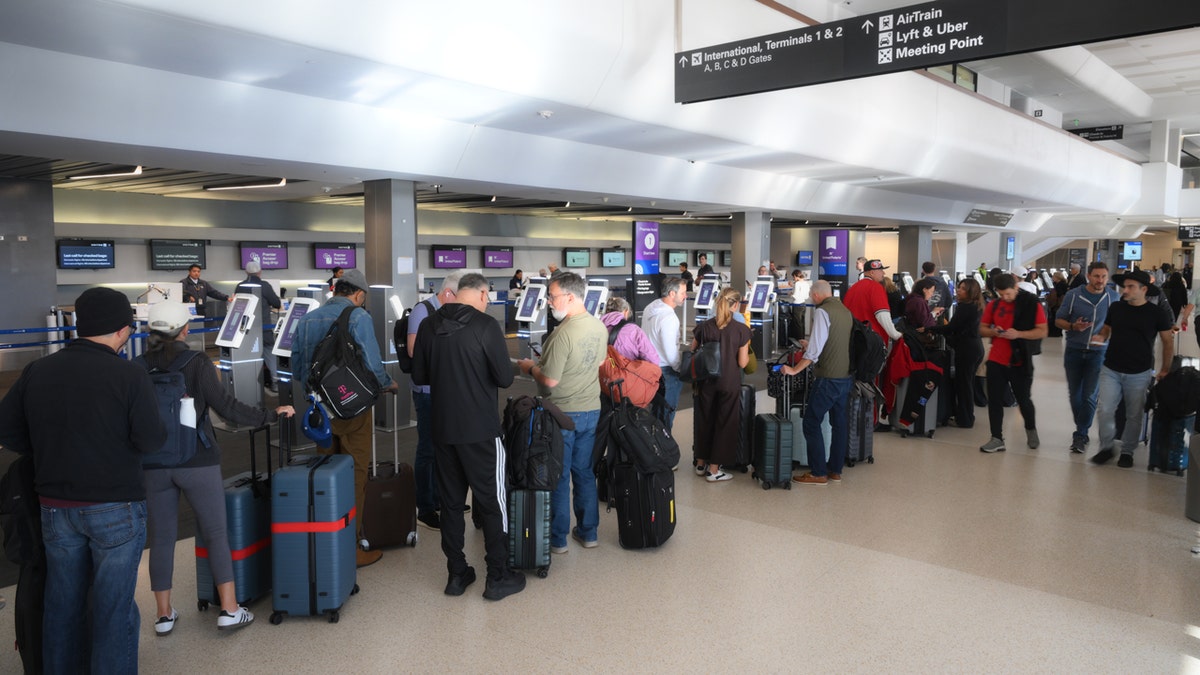
On Friday, a communications failure led to the suspension of flight departures across the United States, leaving travelers stranded and affecting professional sports teams. This incident has been marked as the most extensive national ground stop in 25 years, stretching over four hours. The issue arose from routers related to the outage, and efforts to identify and rectify the problem involved federal attention and inquiry.
Friday Afternoon Timeline
The Federal Aviation Administration (FAA) detected instability in radar and communications data at 3:36 p.m. Eastern Time on November 13, 2026. This instability affected both airports and the flight routes in between. By 3:54 p.m., the FAA had initiated a ground stop, affecting approximately 3,500 flights airborne at the time. Despite the issues, not every radar feed or telecommunications service was lost, prompting the shutdown as a precaution.
Investigation and Response
At 4:16 p.m., Transportation Secretary Sean Duffy announced an investigation into the communications problem. This broader response involved various federal agencies and a review of potential malicious activities. President Donald Trump mobilized federal intelligence, cybersecurity, and FBI officials to assess the situation, though typical signs of a cyberattack were absent.
Steven Cheung from the White House commended the rapid response, stating that timely government actions were crucial in lifting the nationwide ground stop after some hours.
Impact on Sports Events
Professional and college sports teams faced significant disruptions. Homeland Security Secretary Markwayne Mullin assured the public there was no indication of a malicious attack, reassuring travelers with loved ones flying.
College teams like Texas and Tennessee faced travel issues, with plans disrupted and alternative travel options considered. Professional teams, including the Brooklyn Nets and Memphis Grizzlies, faced similar problems as they prepared for the weekend’s games.
Resumption of Flights and Continued Issues
By 8:15 p.m., the FAA lifted the national order, allowing departures to begin slowly. Though, regular flight schedules remained affected as airlines worked to position aircraft and ensure crew availability.
Colleges had to reschedule or delay their games. By late Friday and into Saturday, teams like Utah and Ole Miss faced new departure plans due to crew time restrictions and logistical challenges.
Identifying Technical Problems
Duffy explained the contractor, L3Harris, was replacing outdated copper communication lines with fiber optics at specific FAA locations. During their work, a router sent over 1,000 connections every few seconds, overwhelming others.
Investigations focused on whether installation mistakes or faulty hardware caused the issue.
Recovery Efforts
By Saturday, more than 8,000 flights resumed as the FAA predicted a normal air travel recovery by Sunday. However, passengers continued to face delays. Airlines needed to check and reposition flights, urging passengers to stay updated with their airlines directly.
Ongoing Investigations and Improvements
By Sunday morning, Duffy reported that the travel conditions showed signs of improvement, although full recovery was anticipated by Monday. Testing on routers from both Texas and Arkansas continued. Duffy emphasized the absence of foreign cyberattacks but welcomed further investigation if new information appeared.
He appealed to Congress for additional funding since existing allocations only covered specific upgrades and not a new telecommunications network.
Industry Calls for Modernization
United Airlines CEO Scott Kirby supported the FAA’s decision to halt flights for safety and called attention to the need for technology improvements and full staffing. He stressed the necessity of modernizing the air traffic control system and engaged with aviation leaders to emphasize safety and economic considerations.