
In February, Lee passed away. We held a memorial for him on the Saturday before Father’s Day. Rather than feeling engulfed by grief, I busied myself with arranging flowers and preparing a brisket for the gathering after the service. I embraced siblings, grandchildren, and neighbors; I reached out to old colleagues and set up Zoom connections for friends far away. This process of grief was not new for me, having long anticipated Lee’s departure over the years.
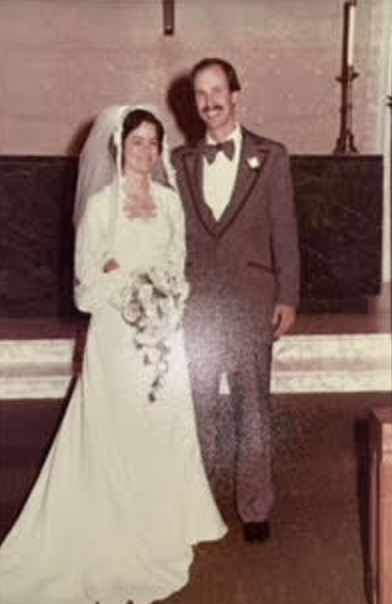
As a historian, my life is marked by dates and events. Lee and I met in 1977 and married a year later. At the time, I was 26, and he was 36. Our four sons were born between 1980 and 1983, with the youngest being twins. We experienced many ups and downs but remained married until our painful divorce in 2010. Untangling 32 years of life was challenging, leading to intense resentment between us.
Post-divorce, Lee engaged in two significant relationships with other women, widening the divide between us. We had scant interaction until our twins’ weddings in 2016 forced a temporary reconciliation. Gradually, our interactions eased, conversations flowed naturally, and attempts at friendship ensued. We even danced together, no longer burdened by past acrimony.
In 2019, just before his 78th birthday, Lee received a diagnosis of Parkinson’s disease and Lewy body dementia. This news did not shock us due to prior signs of cognitive decline. His girlfriend responsibly reached out to our sons and me, sharing his health status and initiating a family intervention to support him. Surprisingly, I was still part of Lee’s family.
Lee was difficult to assist. With a Ph.D. from an Ivy League and an ego to match, he had a fiery temper and drank excessively. Conversations were dominated by his certainty of being right. Despite this, he listened to me. I helped him understand why relocating to Arizona wasn’t practical and began considering a move to Minneapolis to be closer for his care and our grandchildren.
Even before relocating, I spent three weeks at Lee’s house, preparing it for sale. I emptied his library, donated clothing and household items, and carefully cleared paper files, finding personal and financial documents mingled with his research notes. The disorder revealed his ongoing struggle with prioritization due to his illness.
Once Lee settled into a one-bedroom apartment, the pandemic hit. I packed up and drove to Minneapolis to assist with my granddaughters, then aged 2 and 4, enabling their parents to work remotely and maintaining proximity to Lee.
Our local son and daughter-in-law became Lee’s support system, escorting him to meals and personal grooming. As the pandemic shifted dynamics, more help was needed while Lee’s health rapidly declined. I found him a new healthcare team and eventually a memory care facility. My role evolved from distant to hands-on support.
As the pandemic lessened, I assumed the responsibilities of Lee’s healthcare advocate, accompanying him to medical appointments. Social engagements, wardrobe management, and alleviating his anxieties became my norm as his conditions aggressively progressed. Lee lost much of his past self—both physically and emotionally—but his long-term memory persisted.
In those quiet, meandering conversations, we rekindled some aspects of our past bond. It bridged gaps formed from divorce, healing not just us, but facilitating a family reconnection. Our sons, once estranged by the divorce, navigated this process alongside us, rediscovering family ties over dinners and holiday gatherings.
In late 2022, hospice care began as Lee’s condition deteriorated. I joined his sons and caregivers in vigil until his peaceful passing on a sunny February afternoon with our eldest son present.
“What is our relationship now?” Lee had asked once during his illness. “We are dear old friends,” I replied. While our legal ties were severed, our shared history remained intact. Caring for him in his final years reaffirmed this bond and the multifaceted nature of love. As I planned his life celebration, I realized many like me—often women—care for former spouses out of affection remembered and honored.
Rest well, dear friend. May you find peace.
Lucinda Myles McCray, a historian of medicine and public health, reflects on her journey. Born in the Chicago suburbs, she contributed to academia in the UK and USA. Now residing in Minneapolis, she focuses on family, writing, and outdoor activities. This article was originally featured in HuffPost.