
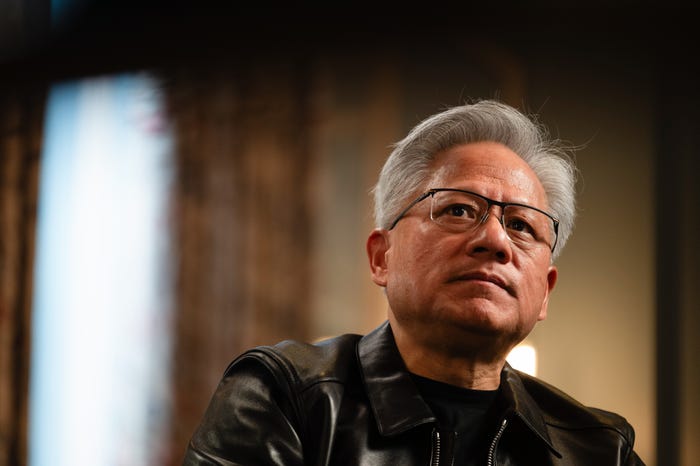
Nvidia’s CEO, Jensen Huang, is under the spotlight as the company’s board investigates claims of him being targeted by foreign intelligence. This situation has brought an old espionage tactic to the forefront in the world of AI chips and national security. Huang admitted to an affair, further intensifying the scrutiny.
Fred Burton, a former US Diplomatic Security Service special agent, commented on the aggressiveness of China’s Ministry of State Security (MSS) and the People’s Liberation Army (PLA). He highlighted their tendency to play the long game in such operations.
Potential Risks for Executives
The question of how executives can avoid entanglements with potential spies is critical. Will Geddes, the founder of International Corporate Protection Group, explains that effective spy operations typically avoid obvious propositions. Instead, operatives may spend months studying a target’s behaviors and vulnerabilities. This could involve arranging a meeting at events or through trusted contacts.
In Huang’s case, Alice Huang, a former executive at Megaspeed, is suspected of being connected to China’s MSS. US officials believe she was collecting intelligence on Jensen Huang. Despite China’s denial of these allegations, their photographs together since June 2024 have fueled suspicions.
Recognizing Warning Signs
Eric O’Neill, a former FBI counterintelligence agent, advises executives to ask critical questions if they suspect someone in their life. Key inquiries include the nature of the initial contact and whether the person has requested unusual access. O’Neill stresses the importance of verifying new partners’ backgrounds and keeping personal and business affairs separate.
Fred Burton notes that background checks on close associates of CEOs are rare. Often, such checks focus on household staff rather than friends or partners.
Preventative Measures
Executives should remain vigilant if a new acquaintance fits certain profiles, such as being unusually attractive or directing the logistics of meetings. Although these signs don’t necessarily prove malicious intent, they warrant further attention.
Geddes points out even experienced executives can lose their judgment in personal relationships. Documented cases of corporate leaders involved with foreign operatives are rare, yet the techniques used in espionage remain consistent.
For example, in 2024, David Slater, an ex-Army officer, was charged with sharing classified information under the guise of a romantic connection. Similarly, Christine Fang, a Chinese national, was involved with US politicians in alleged intelligence efforts but left the US amid an investigation.
Jensen Huang’s situation is ongoing and continues to stir market reactions. The case underscores the need for tech companies to be alert to risks from foreign entities.
O’Neill concludes that time-tested espionage methods still hold influence.