
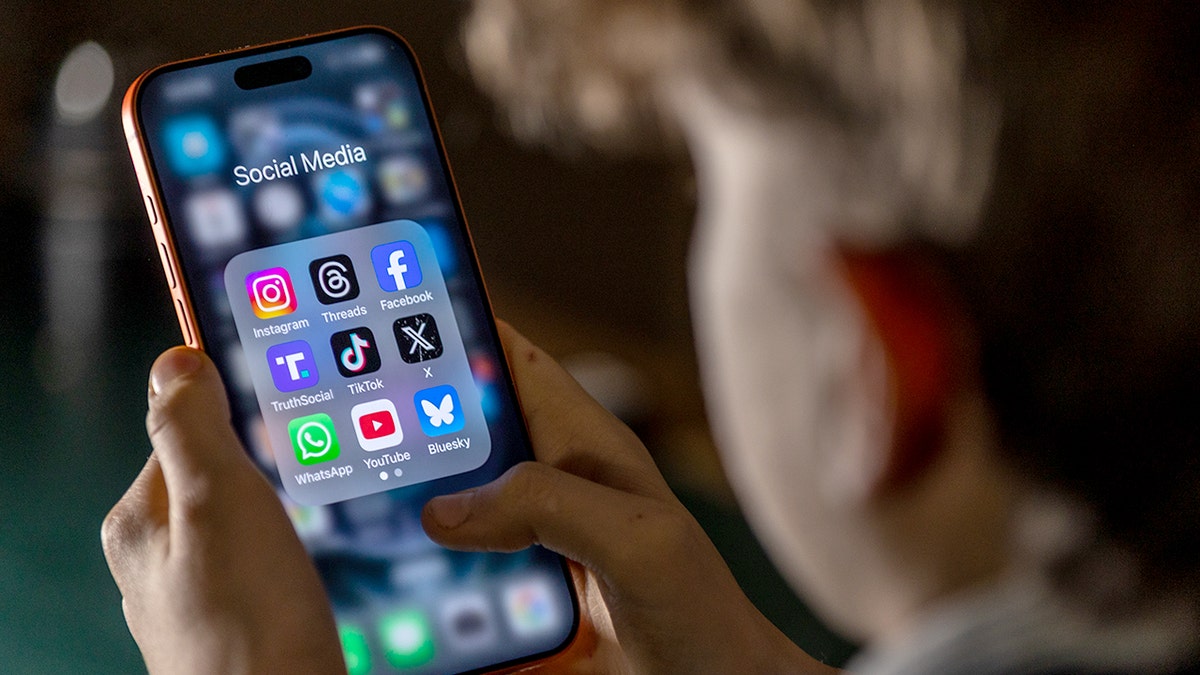
Imagine you posted some concert photos on Instagram and soon received an email seemingly from the venue offering exclusive photos from that show. It mentions the artist and even the date you attended. It sounds convincing, right? But what if it’s a scam, using AI to craft emails that seem authentic?
AI’s Role in Phishing Scams
Researchers at the University of Texas at Arlington have shown how AI can harvest personal details from public social media and use them to create realistic phishing emails. This technique, known as context-aware spear phishing, uses personal information to make scams appear genuine.
If you posted vacation photos from Brazil, a scammer could use AI to fabricate an email from your hotel, offering a discount for a future stay. Though it seems valid, clicking the link could lead to a phishing site.
Research Findings
UTA’s study explored AI’s ability to analyze public social media and craft personalized phishing emails. They examined 200 Instagram accounts and found minimal posts could yield ample details for targeted scams. The effectiveness was tested on over 18,000 AI-crafted emails, highlighting how easily real-life details could be used against individuals.
In controlled conditions, participants deemed these AI-generated messages more convincing than traditional phishing emails. The study underscores how personal information can be turned into tools for manipulation.
Spotting Personal Phishing Scams
Even without hacking your social media, scammers can glean information to craft familiar-looking emails. An email referencing a restaurant you recently visited or an event you attended might seem ordinary but could be a scam.
Traditional signs of phishing, like spelling errors, may not be present in AI-generated scams that appear professional. These refined messages make it harder to differentiate scams from authentic correspondence.
Current Limitations and Potential Solutions
While AI safety tools exist to prevent misuse, they aren’t perfect. In tests, safety tools detected only a fraction of phishing requests. However, with optimized settings, detection rates significantly improved, suggesting that better protection is feasible.
Protecting Against AI Phishing
The study indicates how personal details can be turned against you, but there are steps you can take:
- Secure Social Media: Adjust privacy settings to limit who can view your posts.
- Be Mindful of Location Sharing: Avoid posting real-time location updates.
- Verify Emails: Cross-check unexpected emails by directly visiting the official company sites or apps.
- Use Antivirus Software: Employ strong antivirus tools to detect and block suspicious activity.
- Consider Data Removal Services: Use services to limit the accessible personal information online.
- Employ Strong Passwords and Authentication: Use unique passwords and enable multifactor authentication.
- Stay Updated: Regularly update devices and security software to close potential vulnerabilities.
Reacting to Potentially Harmful Links
If you click on a suspicious link:
- Immediately close the site and refrain from further interaction.
- Run a virus scan if you suspect malware.
- Change any compromised passwords through trusted websites.
- Monitor account activity for suspicious actions.
- Alert your bank if financial information was shared.
- Report the scam to authorities like the Federal Trade Commission.
Even seemingly well-timed emails may warrant scrutiny. Exercising caution can prevent costly mistakes.