
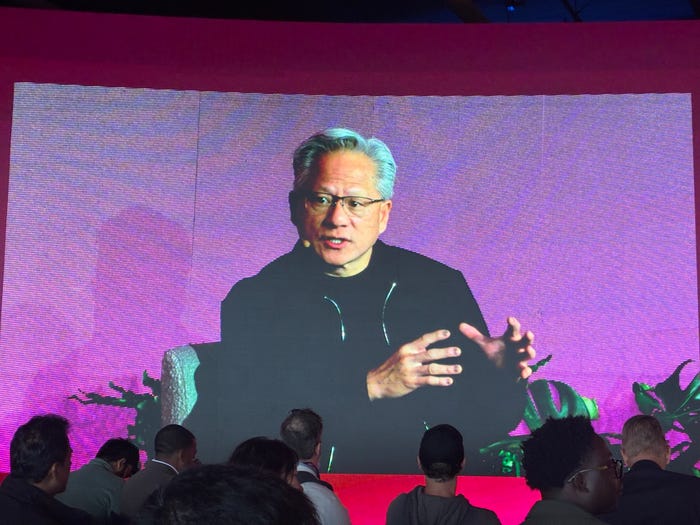
The recent revelations about Nvidia CEO Jensen Huang’s personal life and allegations of espionage have caused a stir in Silicon Valley. However, these developments are unlikely to significantly influence the ongoing AI boom. Wall Street’s response on Monday indicates this incident may not disrupt the massive scale of AI development in the US. In some ways, it might even provide advantages to US AI companies.
Background
Jensen Huang has acknowledged infidelity, and Nvidia’s board is assessing potential connections to any foreign intelligence schemes. US intelligence suggests Alice Huang, an executive at Nvidia client Megaspeed, might have been recruited to spy for China, as reported by The New York Times and The Wall Street Journal. Nonetheless, these claims lack independent verification from Business Insider.
Nvidia assures that no corporate secrets or national security details have been compromised. US Intelligence has made mistakes before, notably about Iraq’s weapons of mass destruction.
The AI Landscape
The personal actions of one CEO are unlikely to deter developers or businesses from leveraging AI tools such as Claude Code, Codex, or even using ChatGPT. Companies continue to invest in AI for efficiency and productivity gains. In fact, the scandal might result in increased caution with Chinese open-source models, shifting focus to US firms like Anthropic and OpenAI.
Demand for AI remains robust. Morningstar’s senior equity analyst Brian Colello predicts substantial growth for AI chipmakers. Nvidia forecasts annual AI infrastructure spending to reach $3 to $4 trillion by 2030, unaffected by current events.
Nvidia’s Market Position
The crucial question concerns Nvidia’s chip supply market. Nvidia holds a dominant position, largely thanks to Huang’s efforts. His exit could disrupt strategic, relational, and financial operations. Potential inquiries by legislators add another layer of complexity.
As of now, Nvidia shares dipped by 4%, though the broader tech market saw gains. Rival AI chipmaker AMD rose by 13%, illustrating persistent demand, but signaling a potential shift away from Nvidia if Huang departs.
Implications of International Relations
Megaspeed’s international dealings involving Nvidia chips remain under scrutiny for possibly bypassing US export controls. Future limitations could curb Nvidia’s Chinese business opportunities, potentially increasing chip availability for US companies like Amazon, Microsoft, and Google.
Nvidia CEO Jensen Huang has long advocated for reduced restrictions on chip sales to China. Some analysts, like Bernstein’s Stacy Rasgon, downplay the urgency of foreign influence allegations, suggesting Huang’s commercial objectives align with broader market ambitions.
The potential for the scandal to fade remains. Current signs suggest Huang may retain his position as CEO. Nvidia customers have not canceled orders outside of China’s regulated environment.
Morningstar’s Colello maintains a $310 fair value stock estimate, showcasing confidence in Nvidia’s enduring strength. The White House’s stance, under Donald Trump, was supportive when the allegations began.
Conclusion
The ongoing AI boom relies on continued technological adoption and infrastructure expansion. Jensen Huang’s personal matters do not diminish AI’s relevance or growth potential. If anything, the affair might indirectly lead to greater chip access for American enterprises.