
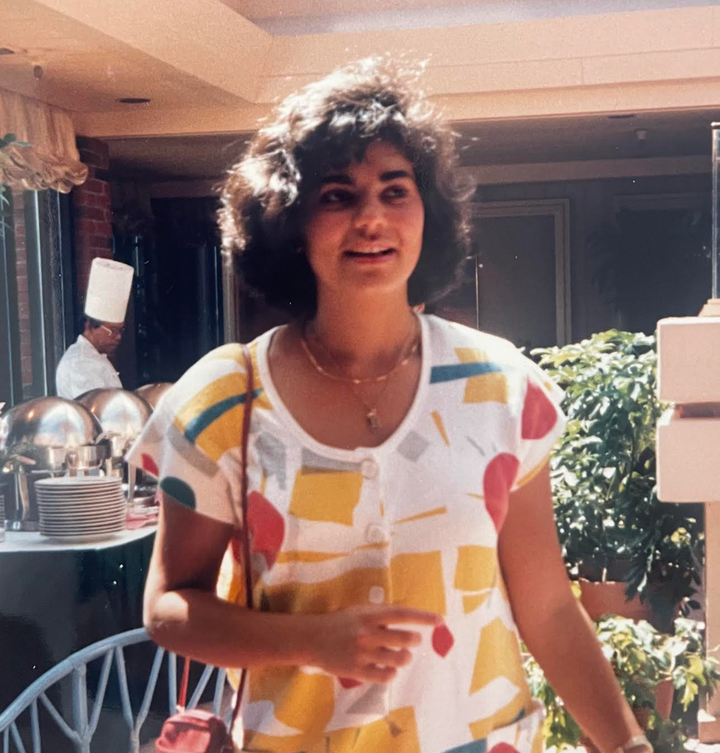
In my late 40s, I found myself struggling with feelings of loneliness and depression. My teenagers became more independent, needing me less. My husband focused on his career, and his efforts to support me didn’t help. I felt lost and unable to recognize who I was.
After a day spent overwhelmed by emptiness, I reached out to a childhood friend. We’ve known each other since I was 14. The moment she answered, I poured out my feelings of emptiness and confusion. She immediately invited me to her home that weekend. Despite the distance between Vancouver and San Francisco, she insisted I visit.
Our conversations that weekend provided more than just advice. They reminded me I was cherished enough for my friends to make time for me. Together, we devised a plan for me to return to work part time, helping me regain a sense of purpose. With therapy and hard work, I emerged from the fog within a year.
Reflecting on my journey, I realized the importance of friendships. These bonds deserve recognition alongside romantic relationships. Romantic ties are celebrated with anniversaries and special days, yet friendships often receive less attention, despite their significant impact on mental health.
“Strong friendships are as protective for mental health as romantic relationships,” noted Rachel Goldman, clinical assistant professor at NYU Grossman School of Medicine.
The Harvard Study of Adult Development emphasizes the role of friendships over money or fame for a long, fulfilling life. Friendships buffer stress and provide purpose, reducing the risk of chronic illnesses like heart disease. Trusted friends help us face life’s challenges and validate our emotions.
We often prioritize careers and families, treating friendships as secondary. Yet, meaningful friendships offer profound emotional resilience. Why not celebrate friendships with the same joy as romantic love? Whether it’s sharing coffee or a walk, these interactions matter.
During my darkest times, my friends were a source of unwavering support. They reminded me of my identity beyond the roles of wife and mother. I used to view friendships as an afterthought, but they are essential parts of who I am. They deserve nurturing, protection, and celebration.
Rebecca Morrison, author of “The Blue Dress,” a novel about personal struggles and identity, shares that her friendships have been vital to her journey. Her story reminds us to appreciate and invest in the friendships that shape our lives over time.