
Elon Musk criticized Waymo’s robotaxi capabilities, calling them ‘pet destroyers’, during a Tesla Owners of Silicon Valley livestream. Musk announced an update for Tesla’s robotaxis to improve pet detection at night.
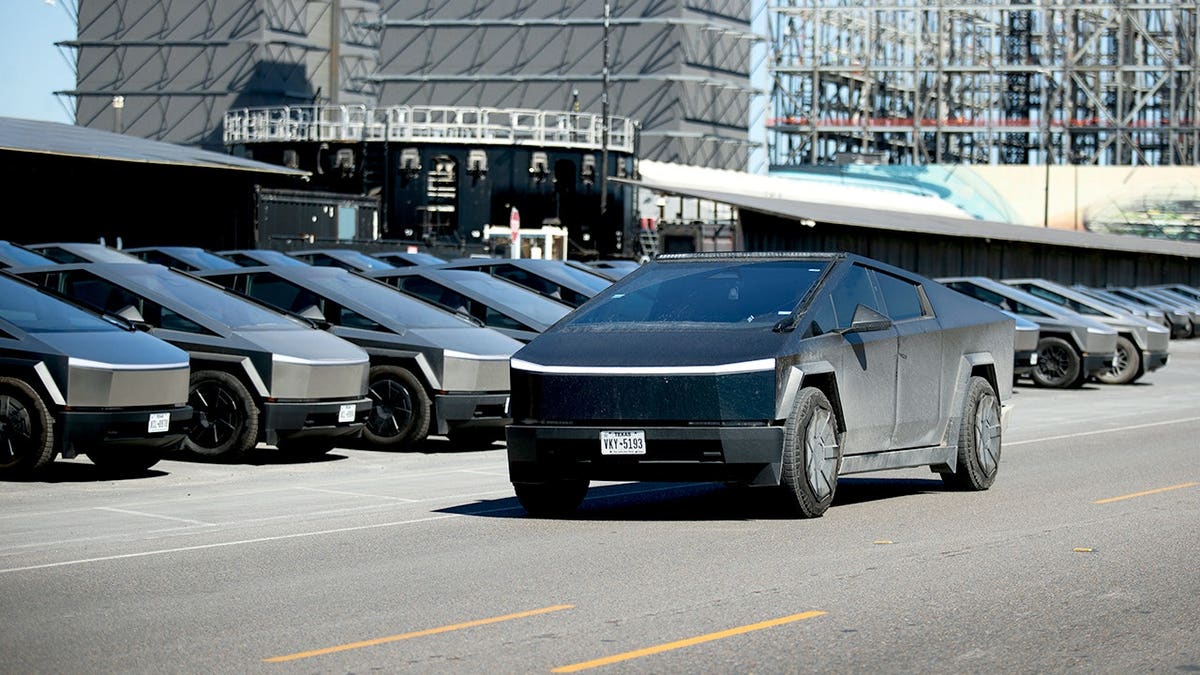
Tesla’s Cybertruck generated discussions due to its unique design characterized by sharp angles and a stainless steel body. Some admired it, while others doubted its appeal. Despite the initial buzz, sales have been lackluster, prompting Tesla to pivot.
Winding Down Cybertruck Production
On November 6, 2026, Musk disclosed plans to reduce Cybertruck production at Tesla’s Texas factory by mid-2027. The move aims to increase focus on the production of Cybercabs, Tesla’s autonomous taxis. Although the strategy represents a significant shift, Tesla has only specified changes for the Texas plant and has not commented on the future of Cybertruck production elsewhere.
Sales and Challenges
Initial enthusiasm for the Cybertruck was high, with Musk reporting a high number of reservations soon after its 2019 unveiling. However, these reservations did not translate into sustained sales. According to Kelley Blue Book, U.S. sales peaked at 38,965 units in 2024, dropping significantly in subsequent years. By 2026, sales further declined, highlighting the challenge of meeting initial expectations.
Pricing changes also affected demand. The base model announced in 2019 never reached clients at the promised price. By late 2026, price adjustments made the vehicle significantly more expensive, narrowing its appeal.
Recalls and Manufacturing Concerns
The Cybertruck faced multiple recalls, which did not help its market performance. Eleven recalls were issued since its release. Issues ranged from software errors, fixable remotely, to more serious hardware concerns, such as accelerator pedal and exterior panel defects.
High-profile incidents, like the window-breaking incident during its unveiling, added to the challenges. Despite these problems, some recalls were minor, and not all vehicles experienced safety issues.
The Cybercab Focus
Tesla is transitioning its focus to the Cybercab, autonomous taxis without a steering wheel. These vehicles, Musk believes, are pivotal to the company’s future. Launched in Austin, Texas, in September 2026, the Cybercab faces scrutiny concerning safety standards but represents Tesla’s investment in self-driving technology.
This shift from pickup trucks to autonomous taxis represents a gamble on the future capabilities of automated driving. Federal investigations are ongoing to ensure compliance with safety standards, highlighting the uncertainties surrounding Tesla’s new direction.
Implications for Cybertruck Owners
Current Cybertruck owners should not be alarmed by the production changes. Tesla has not withdrawn warranty or service support. The Cybertruck’s four-year or 50,000-mile basic warranty remains. However, questions about long-term parts availability remain unaddressed.
Potential buyers should weigh the vehicle’s intended duration of use against its long-term service and potential recall status checked via VIN. The limited production could affect resale values, either making the truck more collectible or depreciating further due to demand.
Tesla spent years building up excitement around the Cybertruck. Buyers committed financially based on the company’s promise. Now, with Tesla moving forward with Cybercab, uncertainty remains about ongoing support for existing Cybertruck owners.