
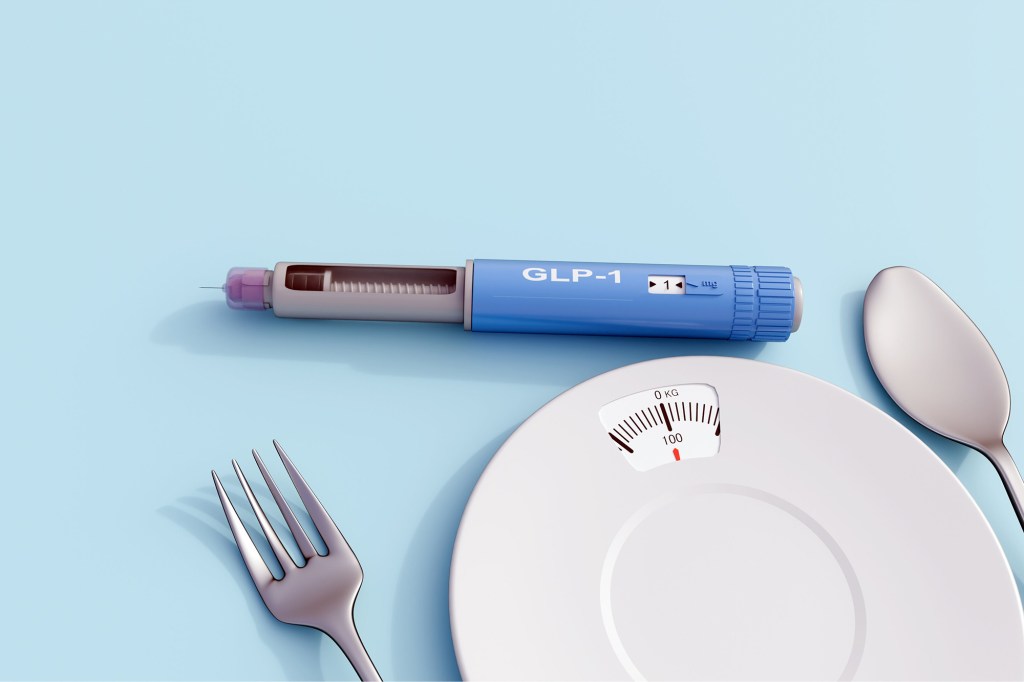
The landscape of home design and functionality is shifting in fascinating ways. A modern bathroom vanity might now include spaces for medical supplies, illustrating changes in household health management. A report from PwC indicates that 21% of US households have a GLP-1 user, up from 9% in January 2025.
Changing Kitchen Dynamics
The desire for less is shaping kitchen trends. The National Kitchen & Bath Association’s 2027 design forecast highlights the hidden kitchen as a rising trend. This design aims to create minimalistic and seamless spaces, with kitchens designed to hide appliances and food storage behind cabinetry.
GLP-1 medications, known for reducing ‘food noise,’ are influencing kitchen design. Households are transitioning from abundance to efficiency, choosing more compact kitchen layouts. Research shows a 5.5% decrease in grocery spending for GLP-1 users, who prefer fresh produce and proteins over snacks and sugary drinks.
Bathrooms Adapt to New Needs
Bathrooms are evolving to accommodate better storage and wellness activities. Designers now include concealed compartments for medications, though the demand for bathroom refrigeration is considered limited. Typical storage practices still involve kitchen refrigerators.
The Impact of Injectable Medications
The rise in needlestick injuries among sanitation workers emphasizes the challenges of disposing of medical waste responsibly. New York City reports a sharp increase, with injuries tripling since 2023. To curb this, the city will increase fines for improper disposal of medical waste. The fine will rise from $100 to $250.
Property owners express concerns over these fines, arguing they lack control over tenants’ waste disposal practices. However, the Department of Sanitation continues to enforce regulations requiring the correct sorting and disposal of trash.
Efforts to Enhance Safety
Enhanced mechanization aims to reduce direct contact between sanitation workers and trash. New bins that can be mechanically emptied into trucks are part of the strategy. However, proper disposal at the household level remains crucial. Residents must securely seal sharps in labeled containers, placed with regular trash or delivered to designated drop-off sites.