
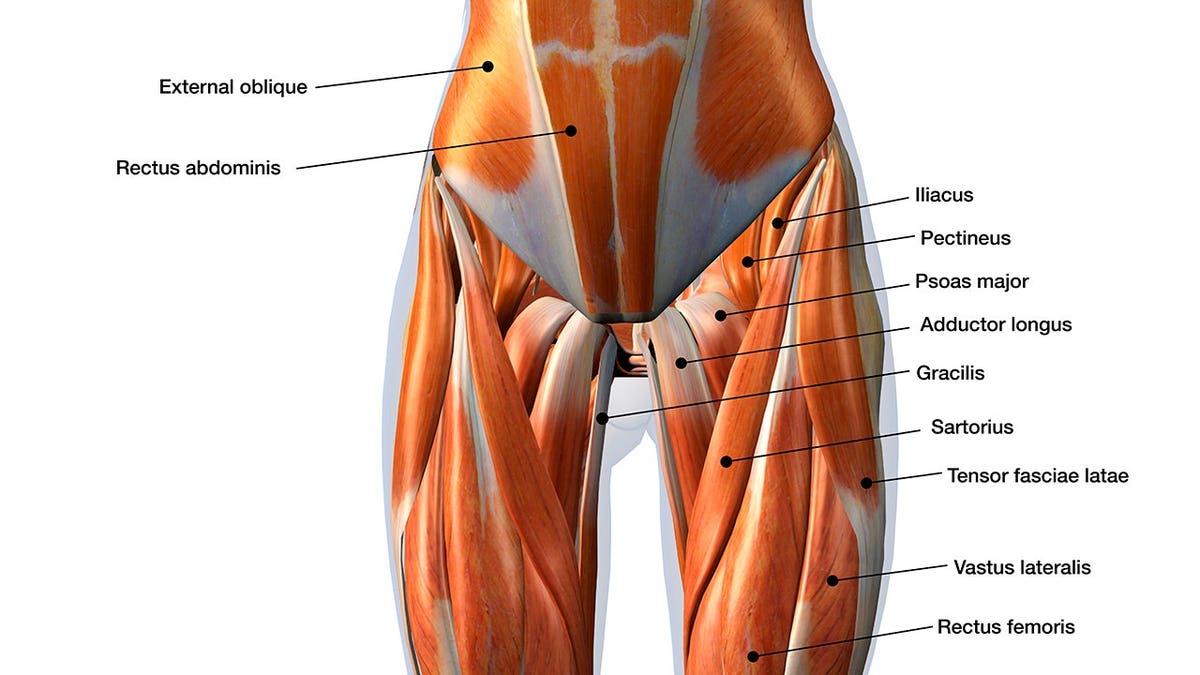
Two undergraduate students from Tulane University unearthed a unique anatomical feature during their studies. Both Dominic Roy and Cooper Bruce, then sophomores, stumbled upon this finding while volunteering in a cadaver lab at the university.
The Discovery
While examining cadaver hips under the supervision of Dr. Shane Tubbs, professor of neurosurgery and director of surgical anatomy at Tulane School of Medicine, the students identified an unexpected muscle. Located near the inguinal region, this muscle differed from the iliocapsularis they initially searched for.
I spotted a similar looking muscle on the other side of the Iliac fascia,
Roy expressed. Neither the students nor Dr. Tubbs found prior mentions of this muscle in extensive literature or textbooks, suggesting it was previously unknown.
International Collaboration
The discovery, aided by physicians and medical students from around the world, was deemed significant enough to publish in the journal Clinical Anatomy. Dr. Tubbs, who co-edits Gray’s Anatomy, described the identification as a stroke of luck.
Potential Medical Applications
The newly discovered muscle might stabilize the psoas major, which plays a crucial role in hip movement. Researchers aim to determine if its presence correlates with certain symptoms. Dr. Tubbs plans to explore its visibility through MRI, which might enable researchers to study its role in hip-related conditions.
With the rise of minimally invasive procedures, recognizing this muscle may prove beneficial. Surgeons could refine treatment techniques, whether through physical therapy or injections.
Understanding Anatomical Variation
This muscle wasn’t present in every cadaver, highlighting human anatomical diversity. The students’ research also found a similar muscle in gorillas, suggesting an evolutionary connection. This raises questions about why the muscle persists in some individuals.
Dr. Tubbs highlighted the importance of hands-on cadaver work, which offers insights beyond synthetic models available in many labs.
Implications and Future Research
The discovery fueled Roy and Bruce’s passion for medicine, spurring further academic pursuits. Roy plans to pursue a master’s degree in anatomy, embracing the ongoing nature of anatomical discovery.