
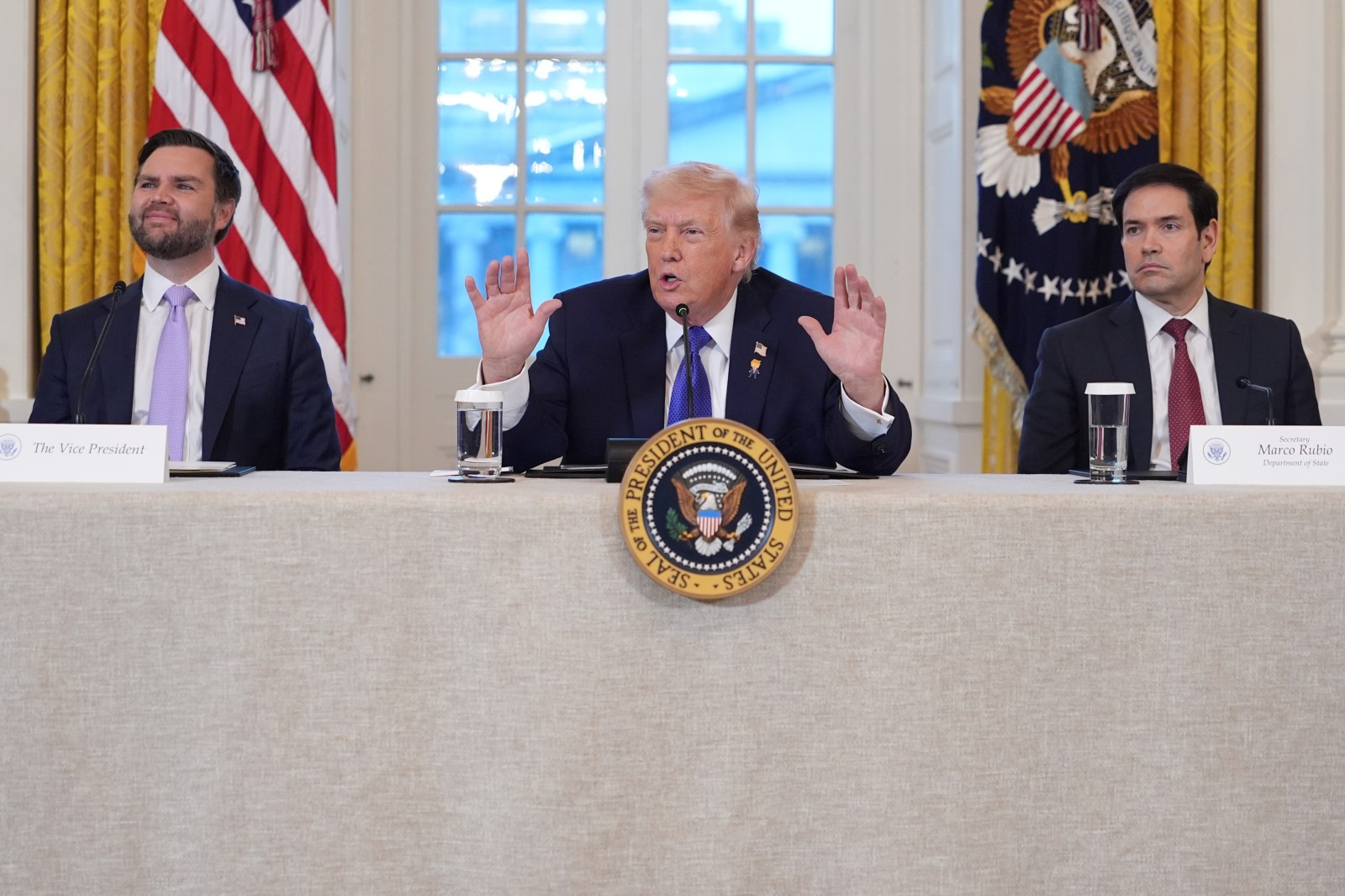
In the aftermath of the midterm elections, Vice President JD Vance and Secretary of State Marco Rubio are reassessing their political landscapes as they eye potential runs in 2028. Democrats gained control of both the House and Senate, achieving unexpected victories in several traditionally Republican strongholds. Notable wins included Senate seats in Texas, Ohio, and other key states.
In Texas, Democrat James Talarico defeated Republican Ken Paxton, marking a significant milestone for Democrats in the state since 1994. In Ohio, JD Vance’s support for gubernatorial candidate Vivek Ramaswamy fell short as Democrat Amy Acton triumphed. Furthermore, in the Senate race, Democrat Sherrod Brown overcame incumbent Republican Jon Husted.
Republican Reflection and Strategies
The Republican Party now faces questions about its future direction, particularly concerning its alignment with Trump’s influence. Marc Hetherington from the University of North Carolina emphasizes the youth of Vance and Rubio, suggesting that the political stage remains open.
Prior to the election, a poll indicated that Vance led Rubio among Republican primary voters for the 2028 nomination. However, the recent setbacks have shifted perspectives. Vance’s endorsement of Ramaswamy in Ohio is viewed as a liability, particularly following the controversial campaign ad issue.
Meanwhile, Marco Rubio has maintained a lower profile, distancing himself from the blame for the Iran conflict. While staying focused on his role, experts believe Rubio can benefit from this approach, positioning himself advantageously for future presidential aspirations.
Vance and Trump’s Continued Influence
JD Vance remains outspoken, attributing some of the election challenges to external factors like gas prices and foreign policy decisions. Despite criticisms, Trump has offered support to Vance, adding complexity to his political positioning. Nevertheless, analysts like Brendan O’Leary highlight that Vance’s association with contentious policies could hinder his future prospects.
Rubio’s Strategic Positioning
For Marco Rubio, the focus is on leveraging his experience and diplomatic role. His involvement with Latin American policy contributes positively to his image. Despite an apparent emphasis on distancing from contentious administration policies, Rubio’s standing in Florida, where Republicans showed resilience, strengthens his political footing.
According to polls, Rubio holds an edge over Vance in terms of favorability among voters. His past achievements in foreign policy have earned him commendations from Trump, potentially boosting his profile as a future presidential candidate.
Potential Challenges Ahead
Despite Rubio’s strategic positioning, challenges remain. Associating with administration positions on Iran might not resonate well with the electorate. Experts underscore that past Republican allegiances might not translate effectively into future elections.
The election results signal a shift in voter priorities, urging Republicans to reconsider their platforms and messaging. Political experts urge caution and strategic planning for 2028, noting the importance of appealing to a broader voter base beyond traditional party lines.
Future Pathways for 2028 and Beyond
Looking ahead, observers suggest a potentially tough road for any Republican contender due to changing demographic and political dynamics. Advisors recommend that Rubio and Vance evaluate the political landscape closely, considering both present alignments and future opportunities.
While the immediate impact of the midterm elections reshapes the Republican approach, there remains a strong focus on developing strategies that address both internal party dynamics and broader voter concerns. Experts like Henry Brady and Jon Rogowski recommend leveraging current roles to establish credibility for potential candidacies in upcoming election cycles.