
The recent midterm elections have ushered in a fresh political era in Washington, as Democrats enthusiastically respond to voter demands for change. In contrast, Republicans have seen their power diminish after a significant backlash against President Donald Trump and the Republican administration.
Democrats secured victories from coast to coast, with unexpected wins in many areas, rejecting the GOP’s unified control in exchange for a new direction for the nation. The party now enjoys significant majorities in both the House and the Senate. This overwhelming outcome has set the stage for a sharply divided government, with a more assertive Congress set to reclaim its role as a coequal branch when Democrats begin their term in the new year.
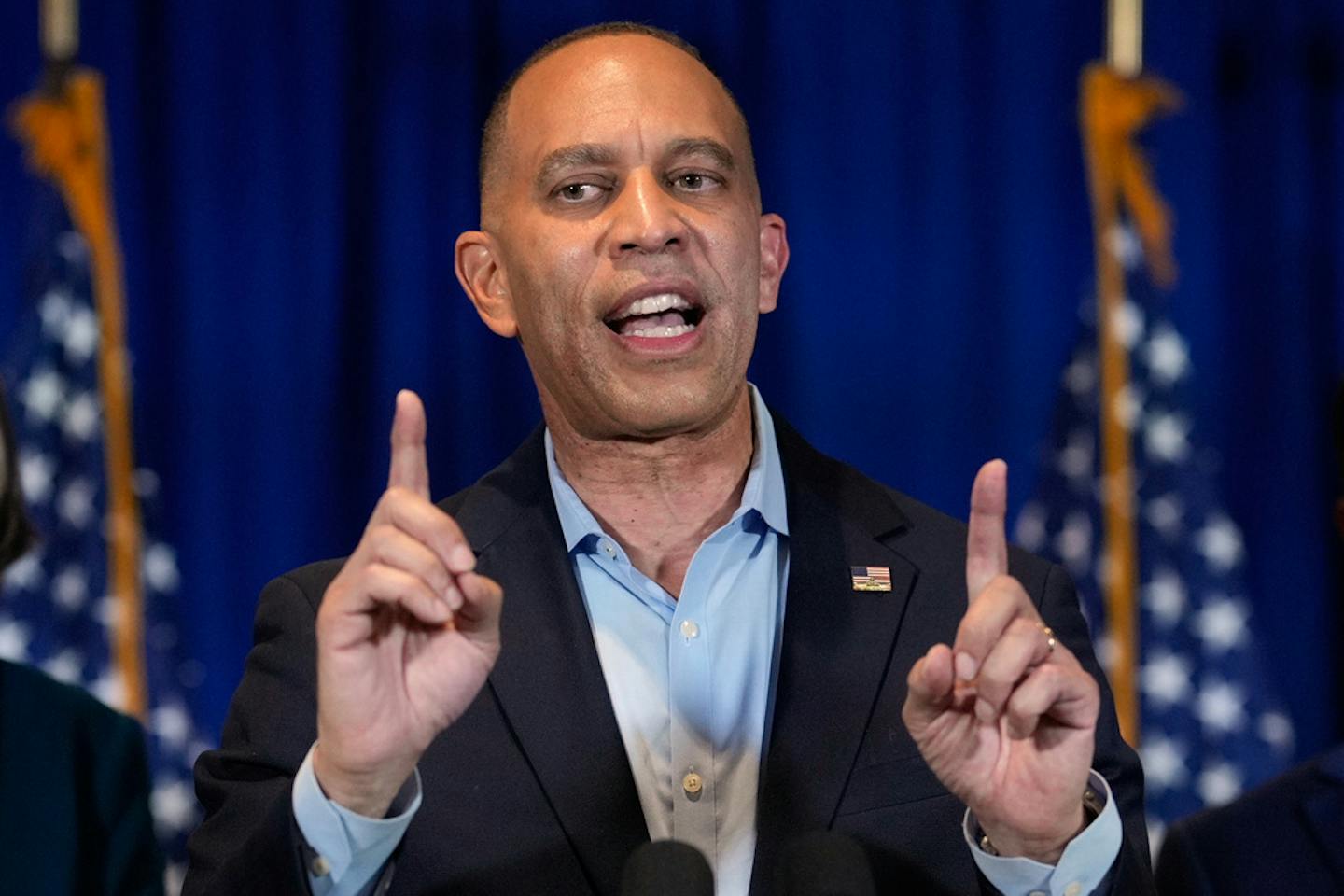
The Democrats are prepared with a 100-day agenda aiming to reduce costs for gas, groceries, and healthcare. They also plan extensive oversight and investigations into Trump and his administration, with impeachment being a possible option. House Democratic Leader Hakeem Jeffries, who stands to become the first Black speaker of the House, marked the election as a rejection of MAGA extremism and a victory for the American public.
Senate Democratic Leader Chuck Schumer noted that the political climate suggested voters were more inclined to reject Trump’s party than to fully embrace the Democrats. He emphasized the historic scale of the wins, including capturing Senate seats in South Carolina, Texas, and Kansas, providing an opportunity to prove their worthiness of public trust.
The election results represent a major shift in power within Washington, presenting new governance challenges and opportunities. The extent of Democratic gains and the deep Republican losses highlight a prevalent voter discontent about the economy and democracy.
President Trump expressed willingness to collaborate with Democrats, though he cautioned about potential gridlock, suggesting he might use his veto power against their agenda. He acknowledged the impact of the ongoing war in Iran on electoral outcomes, noting frustrations over rising gas prices resulting from the conflict. Despite public discontent, Trump reaffirmed his support for Defense Secretary Pete Hegseth, praising his performance.
Vice President JD Vance, often seen as a potential successor to Trump, criticized the Iran war for contributing to the Republicans’ midterm losses. House Speaker Mike Johnson of Louisiana will not seek reelection as the GOP leader, stirring competition for leadership in the GOP ranks.
Democrats are committed to a swift start, aiming to reverse Trump’s reductions to healthcare programs such as the Affordable Care Act and Medicaid. They are also poised for an aggressive oversight agenda, with leaders like Rep. Robert Garcia from California and Sen. Ron Wyden issuing strong warnings about their upcoming inquiries.
Republicans face internal reflection and challenges as they assess widespread electoral setbacks attributed largely to Trump’s strategies, according to Vice President Vance.
Amid dwindling numbers, a lame-duck session and internal leadership elections are on the Republican agenda. Despite their losses, Republicans hold out hope for confirming judicial nominations while they still possess Senate control. However, prospects for passing another GOP-exclusive legislative package appear slim. The possibility of a federal shutdown looms next month if a funding agreement is not reached.
The new Congress promises a series of historical milestones. Notably, Democrat Juliana Stratton of Illinois becomes part of a trio of Black women in the Senate for the first time. Democrat Peggy Flanagan of Minnesota breaks ground as the first Native American female senator, Chris Pappas of New Hampshire enters as the first openly gay male U.S. senator, and Abdul El-Sayed of Michigan serves as the first Muslim senator.