
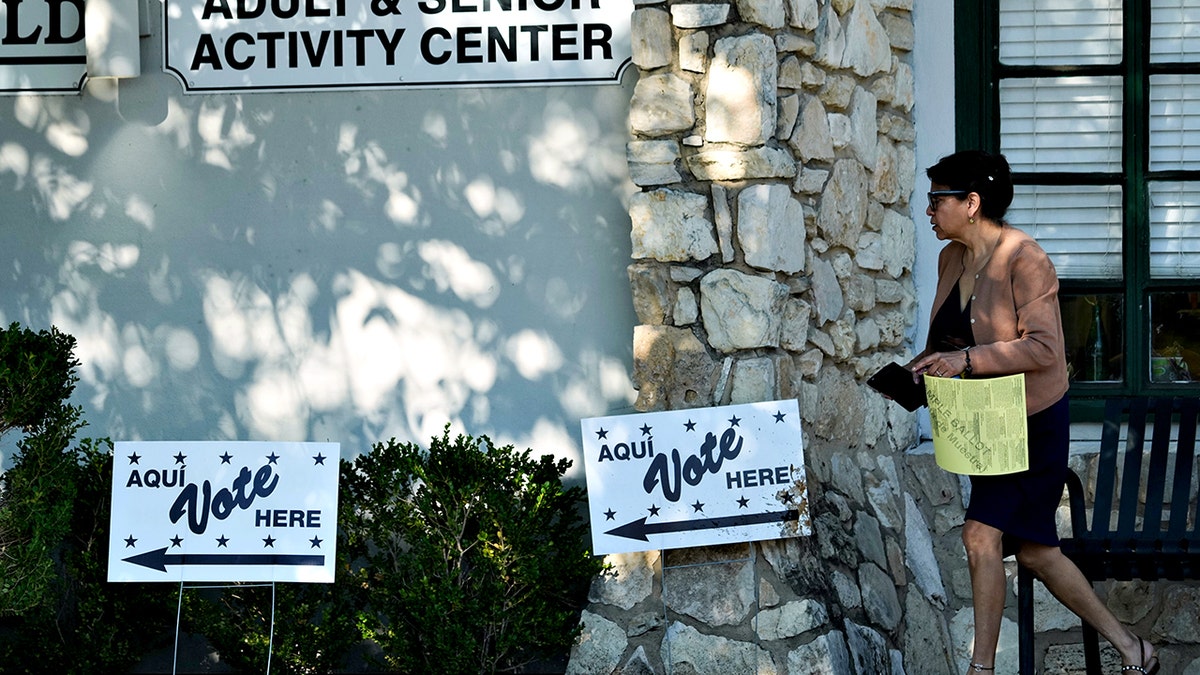
The Republican-led efforts to redraw voting districts in Texas have sparked a significant political contest ahead of the upcoming midterm elections. These changes promise to reshape key House races and influence the balance of power in Congress, as highlighted in Fox News’ ‘Special Report.’
Democrat Johnny Garcia has emerged victorious in Texas’ newly redrawn 35th Congressional District. Despite a Republican-favored map intended to flip the seat, Garcia defeated Republican candidate Carlos De La Cruz, backed by former President Donald Trump. Garcia, a Bexar County Sheriff’s Deputy, expressed gratitude for the support from TX-35 voters, pledging to focus on lowering costs, making healthcare affordable, and community safety.
The outcome of this race marks a critical test of Texas Republicans’ redistricting strategy aimed at consolidating their position in the U.S. House for the 2026 midterm elections. The district, previously a Democratic stronghold, was reshaped to favor Trump by approximately 10 percentage points in the 2024 presidential election.
As a result of the redistricting, Democratic incumbent Greg Casar sought election in the newly configured 37th Congressional District, opting not to defend his former seat. The new 35th District encompasses parts of San Antonio and neighboring areas in Bexar County.
The race presented voters with candidates of distinctly different backgrounds. De La Cruz, a 20-year Air Force veteran and former gym owner, received Trump’s endorsement and has a notable familial connection in politics through his sister, GOP Rep. Monica De La Cruz. In contrast, Garcia, a moderate Democrat, emphasized law-and-order and prioritized working families during his campaign.
Both candidates succeeded in competitive May primary runoffs, with De La Cruz overcoming Republican state Rep. John Lujan, and Garcia defeating Democratic rival Maureen Galindo.
The district’s Hispanic-majority electorate brought the race into focus regarding broader political implications. The question loomed whether Republicans could maintain Trump’s gains among Hispanic voters in a midterm setting without Trump appearing on the ballot.
In addition to the local impact, the contest serves as a broader examination of redistricting effectiveness, probing whether favorable presidential voting trends can translate into congressional success or if voter priorities and candidate appeal may alter expected outcomes.
With national control of the House at stake, this race attracted notable attention from both political parties, serving as one of several crucial battlegrounds in Texas.