
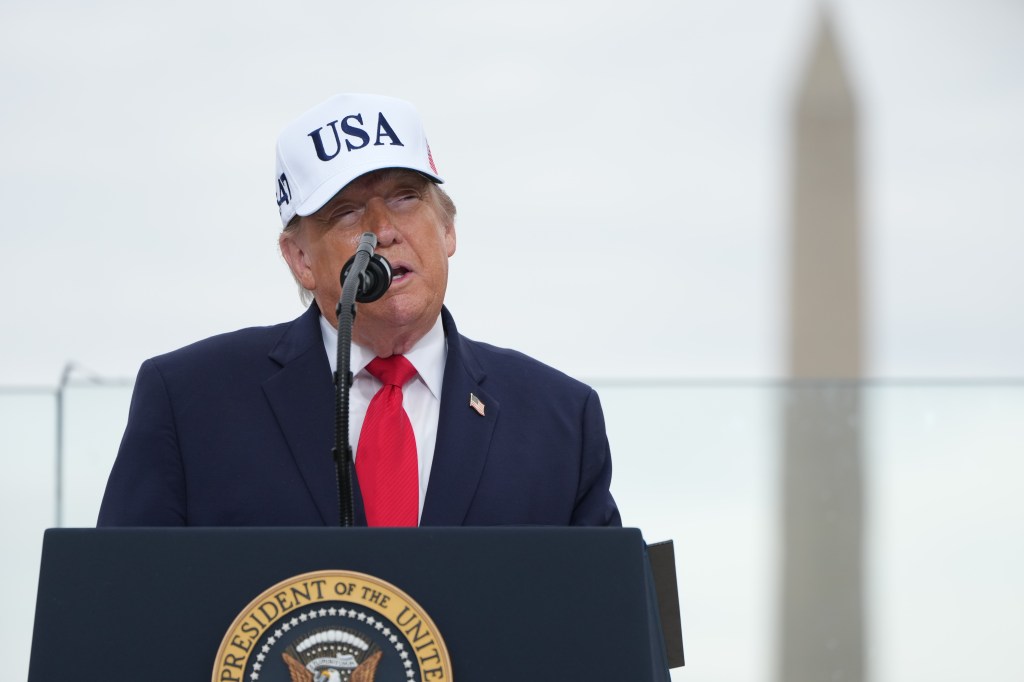
President Trump faces a crucial period following the midterm elections to potentially initiate a renewed conflict with Iran. This window of opportunity is framed by the possibility of a new Congress imposing restrictions on his war powers. Experts have noted that while Trump continues to push for negotiations with Iran, he remains committed to taking decisive action if diplomatic efforts fail.
With Democrats likely to gain control of the House, Trump’s leeway to act extends only until January. The executive director of the Foundation for Defense of Democracies, Jonathan Schanzer, points out a 6 to 8-week period where Trump could act without significant opposition from Congress.
Iran appears conscious of this timing and is attempting to prioritize diplomacy while issuing regional threats that could complicate US decisions. Should conflict resume, Trump may opt for a robust bombardment campaign aimed at pressuring Iran to negotiate. Mark Cancian, a senior adviser at the Center for Strategic and International Studies, suggests an intense two-week campaign, although its effectiveness remains in question given Iran’s resilience to past assaults.
The US strategy may involve targeting military facilities previously attacked, and coastal bases that jeopardize the Strait of Hormuz. Escalating pressure might involve targeting Iran’s oil infrastructure and electrical grid, and using bunker-buster bombs on sites like Pickaxe Mountain. Such moves would signal strong US opposition to Iran’s nuclear ambitions.
The US military presence in the Middle East includes aircraft carriers USS George HW Bush and USS George Washington, with USS Theodore Roosevelt en route to bolster forces. These carriers can deploy F/A-18 Super Hornets and F-35C Lightning IIs. The naval presence surrounding the Arabian Gulf includes destroyers enforcing a blockade outside the Strait of Hormuz. Over 20,000 personnel are involved, with US military strength in the region totaling approximately 50,000.
Ria Reddy from the Institute for the Study of War warns that strikes on Iran’s energy infrastructure could escalate the situation, prompting a forceful reaction from Tehran. Iran may retaliate across the Middle East, targeting US bases and employing improved missile and drone systems. The Strait of Hormuz remains a focal point, with potential threats to commercial shipping lanes.
Iran might also activate regional proxies in Gaza, Lebanon, and Yemen, including the Houthi rebels. Cyberattacks or terror plots, such as the foiled RAF Fairford plan in the UK, could emerge. Israeli Prime Minister Benjamin Netanyahu has reportedly advocated for the US to resume airstrikes soon.
Israel’s role remains uncertain amidst its own political challenges. While involved in initial strikes earlier in the conflict, internal political dynamics may affect future participation. Netanyahu has previously pushed for decisive actions against Iran, yet Trump’s preference seems aligned with diplomatic solutions. These developments in US-Iran relations are crucial to monitor as they unfold.