
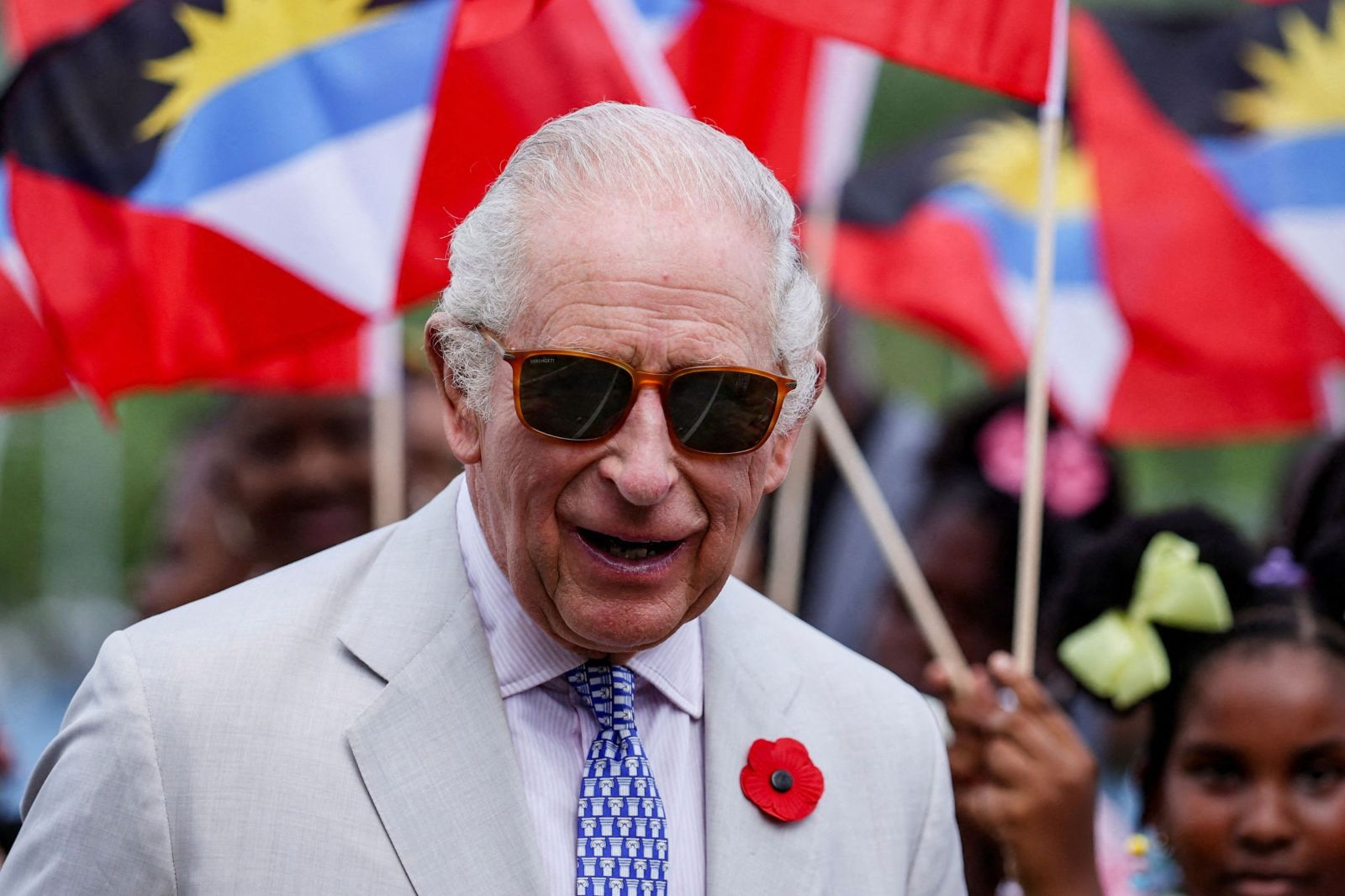
King Charles III’s Controversial Remarks
King Charles III addressed the contentious issue of slavery during a speech in St John’s, Antigua. He noted the Royal Navy’s pivotal role in ending slavery while acknowledging the suffering caused by this “shameful chapter” in British history. His comments came shortly after British Prime Minister Andy Burnham expressed openness to discussing a formal apology but rejected the idea of reparations.
Pressure on the British Monarchy
The British Monarchy has faced increasing pressure to recognize its historical ties to slavery. King Charles’s comments are noteworthy as they represent a rare instance where Britain’s head of state has partially defended the nation’s actions. At the Commonwealth Heads of Government Meeting’s opening ceremony, Charles emphasized learning from the past and addressing historical injustices while promoting modern partnerships.
“We cannot change the actions of those who came before us,” Charles said. “We can, however, learn from the past.”
He repeatedly expressed personal sorrow over the trans-Atlantic slave trade’s impact on Commonwealth nations, setting the tone for a summit likely to discuss slavery.
Acknowledging the Role of the Royal Navy
Charles also highlighted how character and courage helped overcome injustice, citing the Royal Navy’s influence in ending the international slave trade. This is not a new argument in Britain. Kemi Badenoch, leader of Britain’s opposition Conservative Party, defended the nation’s historical actions by reminding the public of its role in stopping slavery.
British Political Debate on Slavery
Prime Minister Andy Burnham in The Guardian suggested openness to a formal apology but ruled out reparations.
“Listening to calls for a formal apology on behalf of the British state will form an important part of this process,” Burnham wrote. “Some have called for financial reparations for the slave trade. I do not believe that is the right answer.”
Burnham argued that present-day British citizens should not be liable for historical wrongs. Meanwhile, Badenoch urged the Commonwealth to focus on the future rather than past grievances. The ongoing debate over this issue reflects differing viewpoints on how to address the legacy of slavery.